

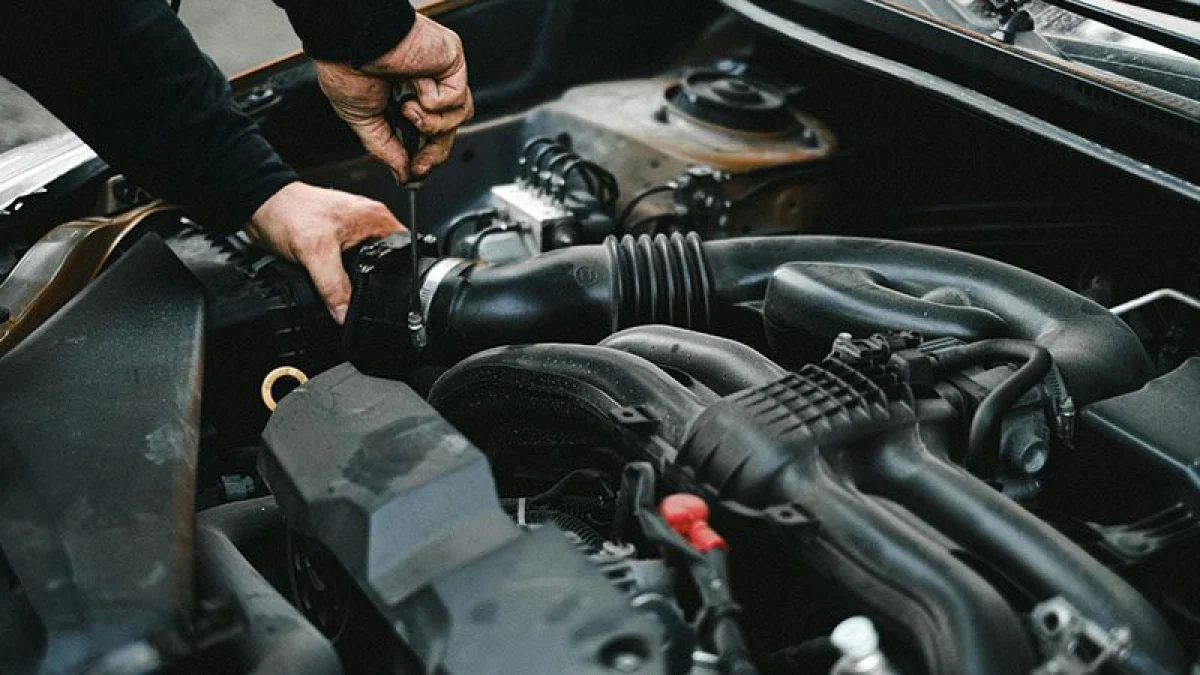
It's Not Just Engine Power: The Small Details That Make Some Cars Unforgettable
A powerful engine? Sure, it matters. But speed isn't everything. Some people remember a car from thirty years ago just for a door handle or the sound of its engine. Small details build brand loyalty.
Visual Identity: A Unique Language for Every Brand
When an automotive website asked its readers a simple question — what detail do you never forget in any car? — the answers confirmed that timeless cars aren't built on specs and numbers alone. It's the subtle touches that give a vehicle its soul and character, setting it apart in a sea of lookalike models. The magic lives in the small stuff.
Design experts argue that a successful car isn't just a heap of mechanical parts; it's a complete visual and sensory product. The attachment may start with the shape of the headlights, the layout of the dashboard gauges, or even the sound of the doors closing — that solid thud that signals quality and build integrity. Some brands have turned certain elements into their signature, like a distinctive front grille, a unique nighttime lighting pattern, or an interior that wraps the driver in luxury.
The average car contains around 30,000 individual components. But the strangest truth is this: some of those parts become iconic over time, etching themselves into the memory of enthusiasts far more than horsepower figures or 0-60 times. That's the difference between just a car and a lasting legend.
Hood Ornaments: When Cars Were Moving Works of Art
One of the most fascinating details highlighted in the report is the hood ornament — those miniature sculptures that once crowned the front end of luxury cars from Packard, Rolls-Royce, and Mercedes-Benz. These weren't mere decorations; they were artistic and engineering statements that reflected the maker's identity.
The writer recalls how the famous 'Goddess of Speed' statue on classic Packard cars first caught her eye, and how that single small detail opened the door to an entire history of metal artistry. Back then, every company competed to create a unique design that would distinguish its cars, as if signing an artwork on every hood. Times have changed.
Today, most hood ornaments are gone from modern cars. Safety regulations, pedestrian protection, and aerodynamics are the reasons. Yet they remain symbols of a golden era when cars were treated as moving art pieces, not just tools for transportation from point A to point B. Many enthusiasts still long for that age of elegance.
The story doesn't end with hood ornaments. The world of memorable details is far larger. There are fans of classic analog gauges with smooth mechanical needles, others who love hidden door handles that only appear on approach, or the precise way doors open and close — and the sound they make, which betrays the quality of the build. Every tiny touch adds up to create an identity that refuses to fade.
Related News
View All News
Yttrium Crisis Hits Global Supply Chains, Threatens Auto and Aviation Industries as Japan and US Face Rare Earth Test
The yttrium crisis is escalating after China's rare earth export restrictions, threatening Japan's stockpiles within months. Yttrium oxide prices have reached $1,150 per kilogram outside China versus just $9 inside…
BYD Ignites German Price War with 32% Discount, Challenging Volkswagen and Mercedes
BYD offered discounts of 27.5% and 31.8% on its plug-in hybrid models in Germany during August. The company captured 10.7% of the market in July, taking fourth place. Discounts exceeded…
Mercedes, BMW, Volkswagen, and Porsche Sales Collapse 40% in China
German automotive giants saw sales in China plunge between 30% and 40% during parts of this year, outpacing the overall market's 20% contraction. The development cycle gap — 18 months…
China Car Sales Set to Drop to 18.5 Million Units in 2026
Passenger car sales in China are projected to drop to 18.5 million units in 2026, down from 23.7 million in 2025. Forecasts point to a limited 2% recovery in 2027…
Hyundai Hydrogen Sales Surpass 50,000 Units in Korea
Hyundai Motor's cumulative hydrogen fuel cell vehicle sales in South Korea have exceeded 50,262 units as of the end of September. The Nexo SUV, launched in 2018, accounts for the…

