

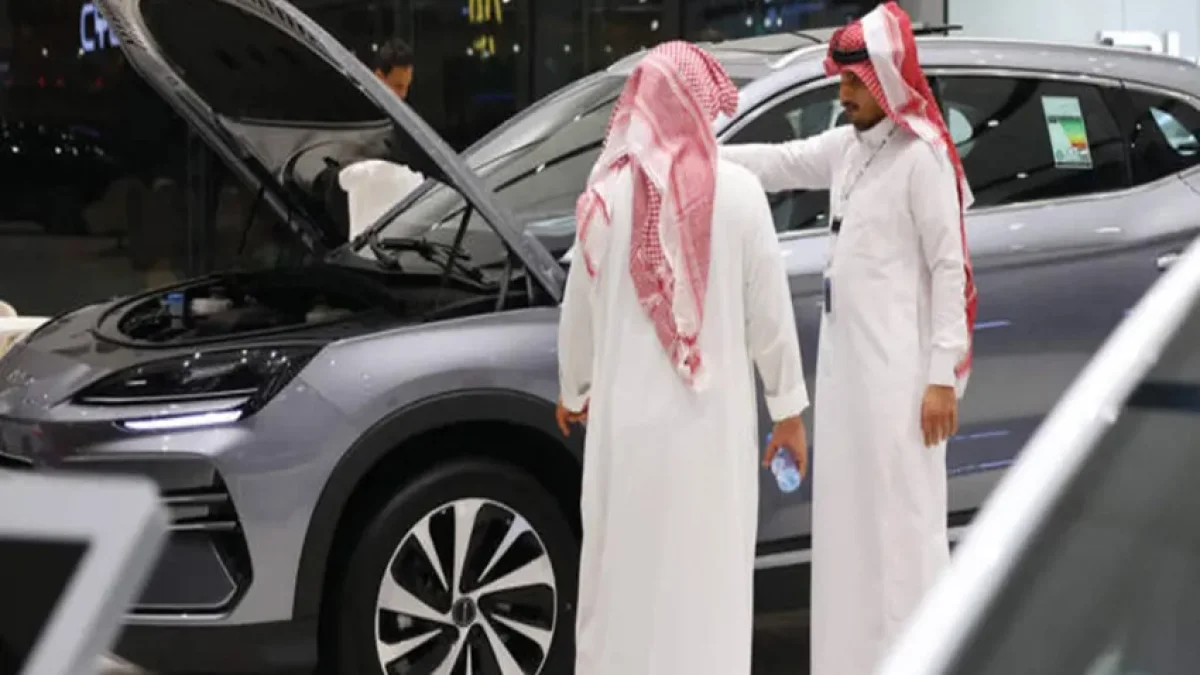
Saudi Arabia Signs Two Deals to Localize EV Manufacturing with $8B Economic Impact
A new chapter is unfolding in the region's automotive map. Saudi Arabia signed two agreements to localize electric vehicle manufacturing, aiming to produce the first fully Saudi-designed, engineered. Built EV within its borders. The ambition is clear, and the numbers behind it are substantial.
Two Agreements Backed by Government Procurement
The Local Content and Government Procurement Authority signed the deals with Ceer National Automotive Company, securing a spot for its products on the mandatory national products list. This move channels government spending toward local output, a powerful catalyst for advanced industries and Saudi talent. It's not just about assembling cars.
Impressive Economic Figures
The projected impact starts with GDP growth. The agreements are expected to add around $2.46 billion to the gross domestic product over the next decade, alongside creating more than 2,600 job opportunities. Abdulrahman Al-Semari, CEO of the authority, noted that car manufacturing ranks among the world's most strategic industries — a statement that underscores the depth of this initiative beyond the ceremonial signing.
Yet the ambitions stretch far beyond those initial numbers. By 2034, the company targets around 30,000 jobs, including 6,500 direct positions, with Saudis making up 80% of the direct workforce. The total economic impact is estimated at $8.02 billion — more than triple the figure announced at the signing.
Knowledge Transfer and Engineering Localization
James DeLuca, CEO of Ceer, called the phase a pivotal milestone for the company. Localizing engineering, manufacturing, and knowledge transfer will lay the groundwork for world-class car production within the Kingdom, strengthening local supply chains and raising the local content ratio in its products to 45% by the target date. The planned lineup covers both sedans and SUVs — a smart diversification that addresses a wide spectrum of domestic and regional demand.
The move aligns with Saudi Vision 2030 goals, transforming the Kingdom from a mere consumer market into a regional industrial hub. Whether this marks the dawn of a new era for Gulf automotive manufacturing remains to be seen — but the doors are wide open.
Related News
View All News
Yttrium Crisis Hits Global Supply Chains, Threatens Auto and Aviation Industries as Japan and US Face Rare Earth Test
The yttrium crisis is escalating after China's rare earth export restrictions, threatening Japan's stockpiles within months. Yttrium oxide prices have reached $1,150 per kilogram outside China versus just $9 inside…
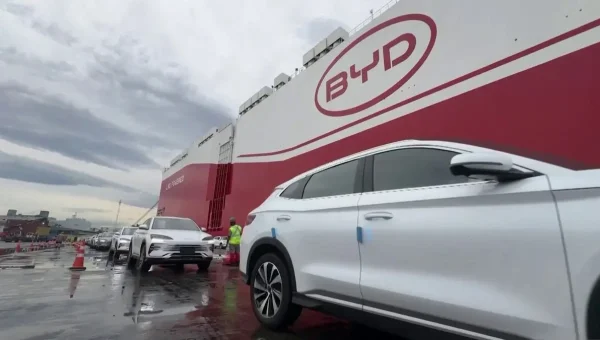
BYD Ignites German Price War with 32% Discount, Challenging Volkswagen and Mercedes
BYD offered discounts of 27.5% and 31.8% on its plug-in hybrid models in Germany during August. The company captured 10.7% of the market in July, taking fourth place. Discounts exceeded…
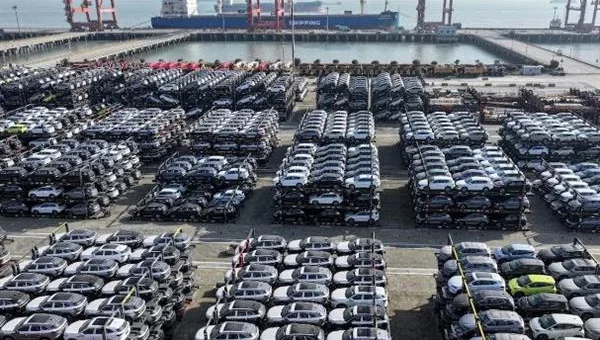
Mercedes, BMW, Volkswagen, and Porsche Sales Collapse 40% in China
German automotive giants saw sales in China plunge between 30% and 40% during parts of this year, outpacing the overall market's 20% contraction. The development cycle gap — 18 months…
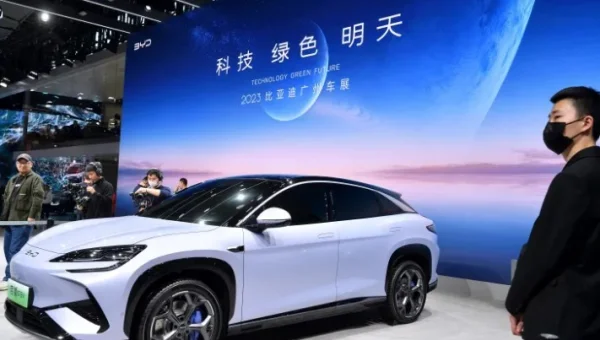
China Car Sales Set to Drop to 18.5 Million Units in 2026
Passenger car sales in China are projected to drop to 18.5 million units in 2026, down from 23.7 million in 2025. Forecasts point to a limited 2% recovery in 2027…
Hyundai Hydrogen Sales Surpass 50,000 Units in Korea
Hyundai Motor's cumulative hydrogen fuel cell vehicle sales in South Korea have exceeded 50,262 units as of the end of September. The Nexo SUV, launched in 2018, accounts for the…

