

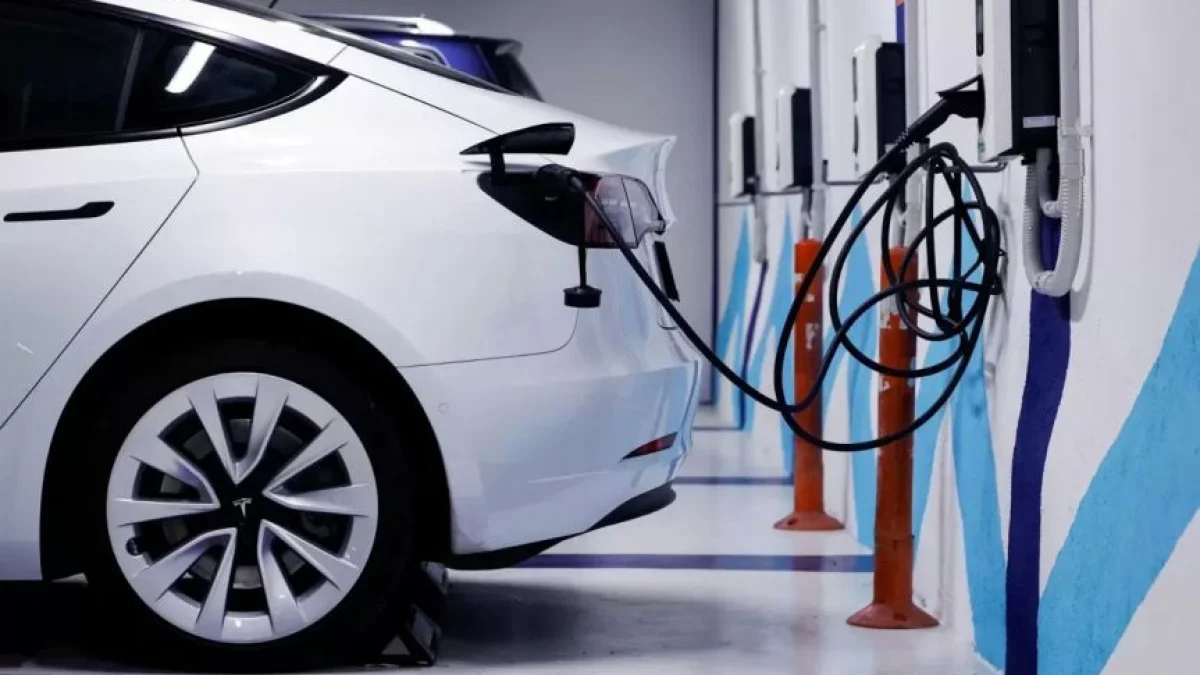
Russia Overtakes America in EV Share — And Fuel Crisis Is the Surprise Reason
Russia has overtaken the United States in the share of electric and plug-in hybrid vehicles in new car sales, according to data cited by InsideEVs. Russian EV and PHEV sales hit 26,543 units between June and August 2026, up from 12,187 in the same period of 2025. The main driver was a gasoline shortage after attacks on refineries, not environmental awareness. Chinese brands capitalised on the shift and expanded their presence in the Russian market.
Russia just posted a number nobody saw coming. The share of electric and plug-in hybrid vehicles in Russia's new car sales has climbed above the equivalent figure in the United States, according to data cited by InsideEVs — despite Moscow sitting on vast oil and gas reserves. The twist isn't in the numbers alone. It's in what pushed Russian buyers away from gasoline-powered cars in the first place.
Fuel Crisis Drives Buyers Toward BYD and Chinese Brands
Long queues at gas stations. Drivers in several Russian regions waited hours to fill up after attacks on refining facilities disrupted operations and cut gasoline supplies. That daily pressure pushed a slice of consumers to look for alternatives. The clearest alternative was a car that runs partly or fully on electricity. Russia's EV market moved for practical reasons, not environmental ones.
Data relayed by Reuters from Russian agency Autostat shows sales of electric and plug-in hybrid vehicles hit 26,543 units between June and August 2026, up from 12,187 in the same period of 2025 — more than double. The jump is sharp. It reflects a shift in Russian consumer behavior under fuel shortage pressure rather than a government incentive push or rising green awareness.
China Fills the Gap in Russia's Car Market
Chinese cars are the biggest winners. With access to some new Western models limited by sanctions and market shifts, Chinese brands have deepened their presence in Russia, especially in the EV and hybrid segment. Russian consumers now have an extra incentive to pick a car that cuts their dependence on gasoline, particularly with supply instability lingering. BYD and other Chinese marques are finding room to expand in this shift.
Has Russia truly overtaken America? The comparison needs a careful read. The United States remains a far larger EV market in absolute volume, and Russia's sudden rise came from exceptional market conditions that can't be generalised. The share of electric and plug-in hybrids in Russia has edged above the US figure, but absolute numbers still favour Washington. What happened is that Russia's relative share surged on the back of a severe fuel crisis, at a time when Tesla and other US EV makers are seeing slower growth.
The numbers tell a wider story. Russia's market shifted toward EVs and hybrids at an unusually fast pace, driven by a mix of fuel shortages and a growing Chinese brand presence offering competitive alternatives. This doesn't make Russia a leader in electric mobility. Yet it proves that external shocks — not environmental awareness alone — can be the strongest force reshaping a country's auto landscape. BYD prices played a direct role in that shift.
Frequently Asked Questions
3 questions answered
Related News
View All News
Yttrium Crisis Hits Global Supply Chains, Threatens Auto and Aviation Industries as Japan and US Face Rare Earth Test
The yttrium crisis is escalating after China's rare earth export restrictions, threatening Japan's stockpiles within months. Yttrium oxide prices have reached $1,150 per kilogram outside China versus just $9 inside…
BYD Ignites German Price War with 32% Discount, Challenging Volkswagen and Mercedes
BYD offered discounts of 27.5% and 31.8% on its plug-in hybrid models in Germany during August. The company captured 10.7% of the market in July, taking fourth place. Discounts exceeded…
Mercedes, BMW, Volkswagen, and Porsche Sales Collapse 40% in China
German automotive giants saw sales in China plunge between 30% and 40% during parts of this year, outpacing the overall market's 20% contraction. The development cycle gap — 18 months…
China Car Sales Set to Drop to 18.5 Million Units in 2026
Passenger car sales in China are projected to drop to 18.5 million units in 2026, down from 23.7 million in 2025. Forecasts point to a limited 2% recovery in 2027…
Hyundai Hydrogen Sales Surpass 50,000 Units in Korea
Hyundai Motor's cumulative hydrogen fuel cell vehicle sales in South Korea have exceeded 50,262 units as of the end of September. The Nexo SUV, launched in 2018, accounts for the…

