

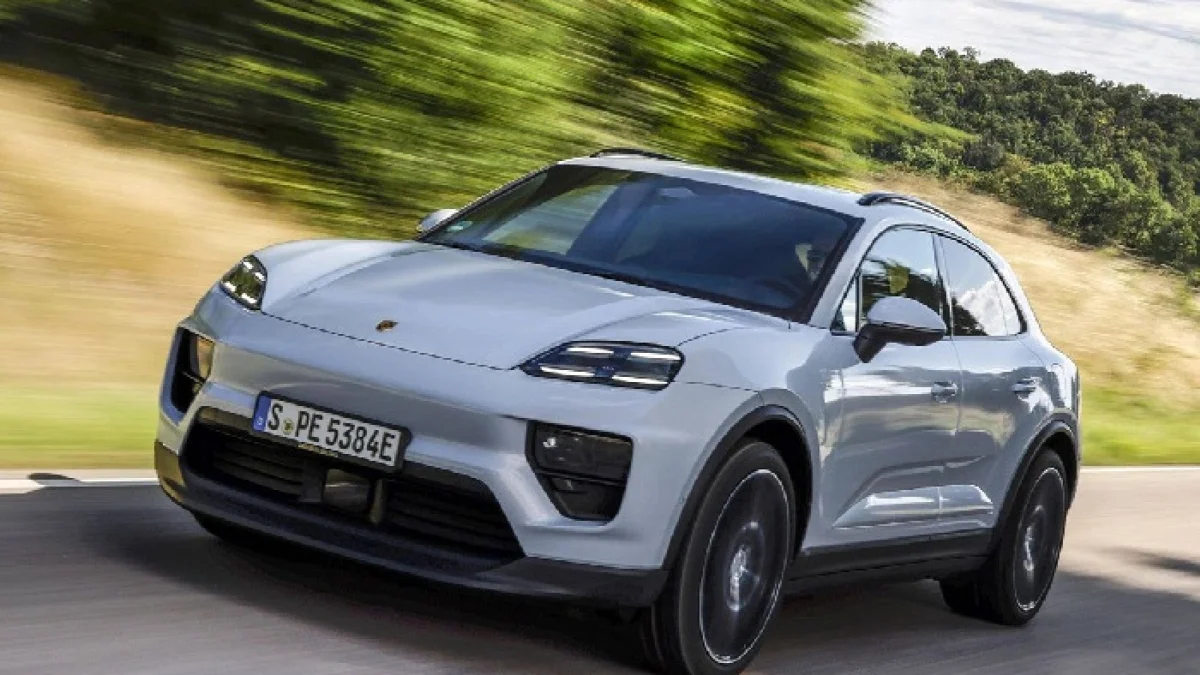
Porsche Brings Petrol Power Back to Macan Class with New SUV in 2028
Porsche is preparing to reintroduce petrol and hybrid engines to the compact SUV segment through a new standalone model planned for around 2028. The move follows the end of combustion Macan production in July 2026, with the name retained for the electric version only. The new SUV may use the Premium Platform Combustion from the Audi Q5. Porsche hasn't announced official engine or power details yet.
Porsche is preparing to bring petrol and hybrid engines back to the compact SUV segment currently occupied by the Macan, after ending production of the combustion-engined version in July 2026 and reserving the name for the electric variant only. The comeback won't be through reviving the old model — it will be an entirely new standalone model planned for around 2028.
Why Did Porsche Reverse Its Full-Electric Plan?
The shift to electric isn't happening at the same pace everywhere. Porsche acknowledged that demand, infrastructure, and regulatory rules vary from one market to another, prompting the company to announce in 2025 that combustion and hybrid models would continue longer than originally planned. Slower-than-expected EV sales growth was a decisive factor. The strategy has changed.
Shared Platform with Audi Q5
Available information suggests the new SUV may ride on the Premium Platform Combustion (PPC) used in the new-generation Audi Q5. That platform is engineered to support both petrol engines and hybrid systems, giving Porsche a ready-made base without developing one from scratch. It's a significant advantage in flexibility.
What Happens to the Macan Name?
The Macan name will stay on the current electric vehicle. The new petrol-powered model will get a different identity and design, even though it will occupy roughly the same space in Porsche's lineup. Separating the two names gives the company more marketing freedom. The positioning is completely different.
What Do We Know About the Engines So Far?
Porsche hasn't announced official details on engines, power output, or trim names yet. Expectations point to traditional combustion engines alongside hybrid versions, rather than relying on electricity alone. This approach gives customers broader options. No final decision has been made.
Bringing petrol power back to the compact SUV class reflects a new reality in the auto industry. Porsche prices could see shifts as the new model arrives, especially with continued demand for combustion options in certain markets. The expected date is 2028. Official details remain pending.
Frequently Asked Questions
3 questions answered
Related News
View All News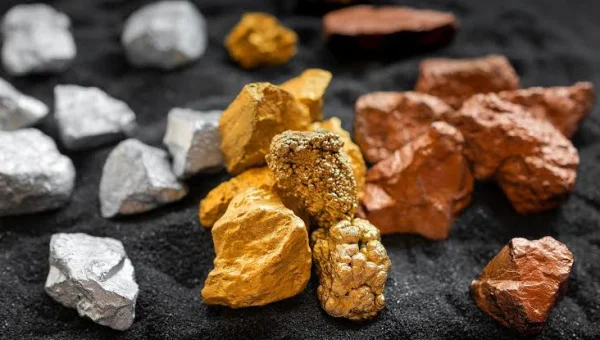
Yttrium Crisis Hits Global Supply Chains, Threatens Auto and Aviation Industries as Japan and US Face Rare Earth Test
The yttrium crisis is escalating after China's rare earth export restrictions, threatening Japan's stockpiles within months. Yttrium oxide prices have reached $1,150 per kilogram outside China versus just $9 inside…
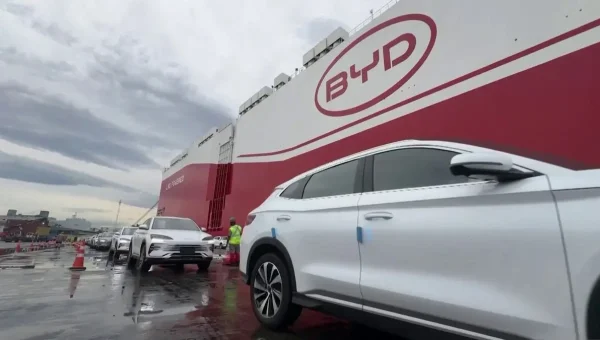
BYD Ignites German Price War with 32% Discount, Challenging Volkswagen and Mercedes
BYD offered discounts of 27.5% and 31.8% on its plug-in hybrid models in Germany during August. The company captured 10.7% of the market in July, taking fourth place. Discounts exceeded…
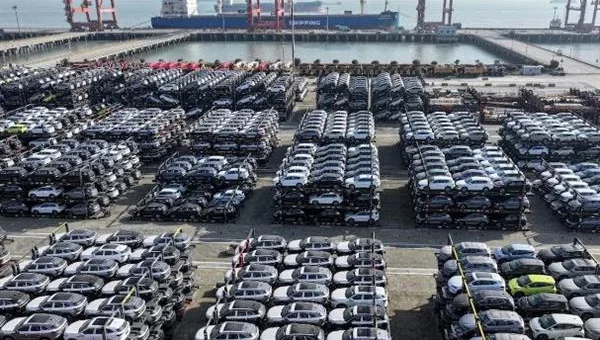
Mercedes, BMW, Volkswagen, and Porsche Sales Collapse 40% in China
German automotive giants saw sales in China plunge between 30% and 40% during parts of this year, outpacing the overall market's 20% contraction. The development cycle gap — 18 months…
China Car Sales Set to Drop to 18.5 Million Units in 2026
Passenger car sales in China are projected to drop to 18.5 million units in 2026, down from 23.7 million in 2025. Forecasts point to a limited 2% recovery in 2027…
Hyundai Hydrogen Sales Surpass 50,000 Units in Korea
Hyundai Motor's cumulative hydrogen fuel cell vehicle sales in South Korea have exceeded 50,262 units as of the end of September. The Nexo SUV, launched in 2018, accounts for the…

