

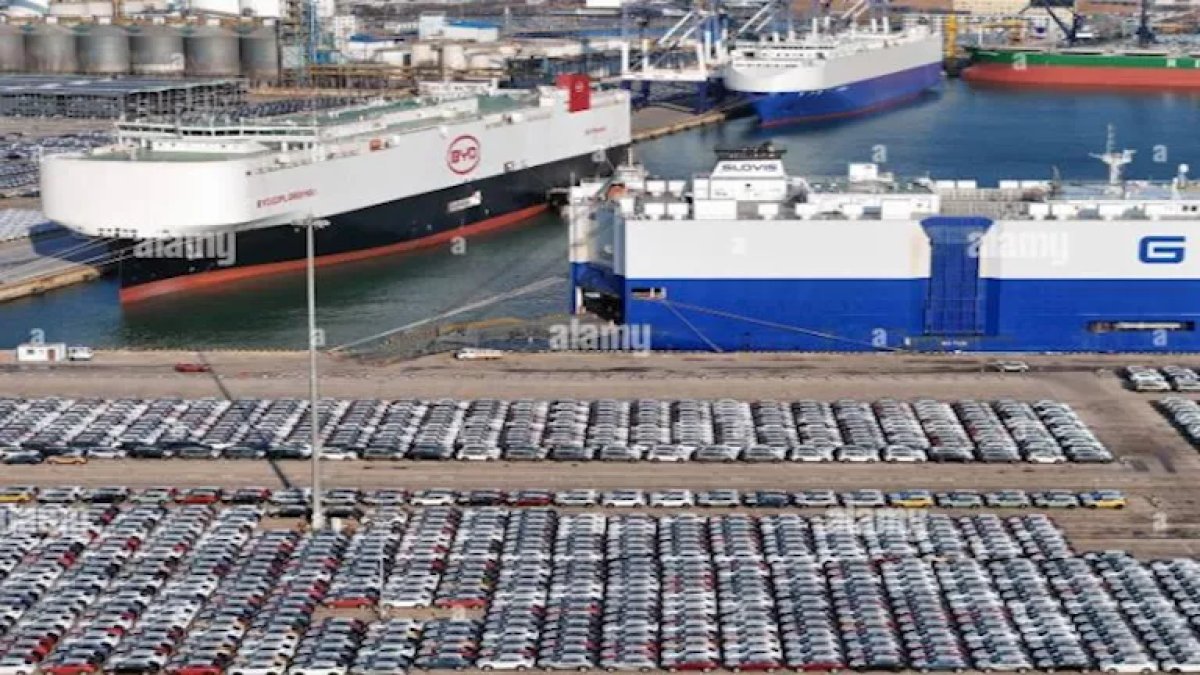
Pentagon Adds BYD to National Security Threat List: What This Means
The U.S. Department of Defense (Pentagon) has updated its list of entities and companies it believes are providing support to the Chinese military, placing BYD, the global leader in electric vehicle manufacturing, at the forefront. This classification comes amid escalating tensions between Washington and Beijing on multiple fronts, particularly in the electric vehicle and connected technologies sectors.
Strict U.S. Warning to Companies
Commenting on the decision, Rep. John Molinar, chairman of the House Select Committee on China, said the updated list serves as a stark warning to American companies, the government, and the American people. According to media reports, Molinar urged U.S. companies to immediately halt dealings with Chinese firms that threaten national security, stressing that continued cooperation risks enabling Beijing's military rise.
Washington Targets Chinese EVs
Over the past few months, the U.S. administration has taken concrete steps to curb BYD's presence in the American market, most notably imposing a 100% tariff on electric vehicles imported from China. The administration linked its decision to concerns over "connected vehicles" that use artificial intelligence systems, citing their ability to collect sensitive data on infrastructure and users and transmit it to China for analysis.
In response, the U.S. Department of Commerce launched extensive investigations and proposed strict rules banning the use of Chinese software and hardware components in smart vehicles, aiming to prevent data leaks or potential remote vehicle disabling. U.S. authorities have effectively banned the entry and use of Chinese connected vehicles, led by BYD, within sensitive government and military facilities.
BYD Sues the U.S. Administration
In response, the Chinese company has not stood idle; BYD has filed a lawsuit against the U.S. administration, seeking to challenge the recent decisions targeting its operations in the American market. The release of the updated list comes just weeks after President Donald Trump's visit to China and his meeting with President Xi Jinping, during which Trump sought to de-escalate tensions and restore balance to bilateral trade and political relations.
Related News
View All News
Yttrium Crisis Hits Global Supply Chains, Threatens Auto and Aviation Industries as Japan and US Face Rare Earth Test
The yttrium crisis is escalating after China's rare earth export restrictions, threatening Japan's stockpiles within months. Yttrium oxide prices have reached $1,150 per kilogram outside China versus just $9 inside…
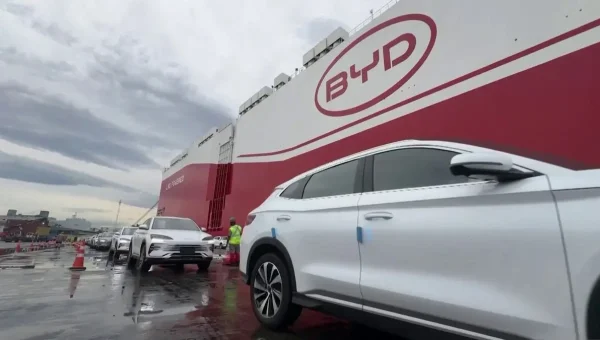
BYD Ignites German Price War with 32% Discount, Challenging Volkswagen and Mercedes
BYD offered discounts of 27.5% and 31.8% on its plug-in hybrid models in Germany during August. The company captured 10.7% of the market in July, taking fourth place. Discounts exceeded…
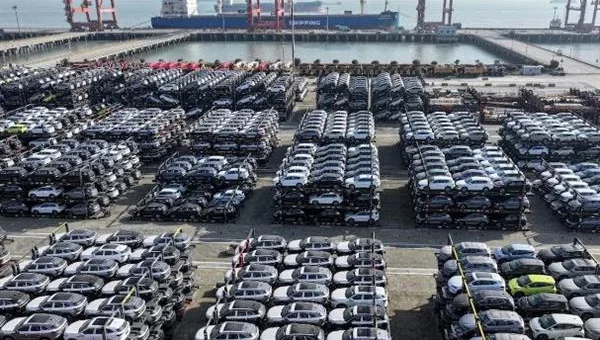
Mercedes, BMW, Volkswagen, and Porsche Sales Collapse 40% in China
German automotive giants saw sales in China plunge between 30% and 40% during parts of this year, outpacing the overall market's 20% contraction. The development cycle gap — 18 months…
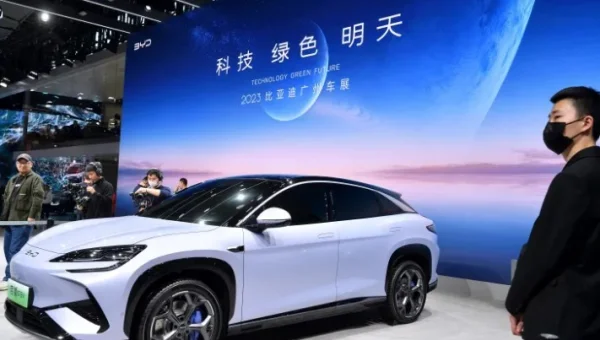
China Car Sales Set to Drop to 18.5 Million Units in 2026
Passenger car sales in China are projected to drop to 18.5 million units in 2026, down from 23.7 million in 2025. Forecasts point to a limited 2% recovery in 2027…
Hyundai Hydrogen Sales Surpass 50,000 Units in Korea
Hyundai Motor's cumulative hydrogen fuel cell vehicle sales in South Korea have exceeded 50,262 units as of the end of September. The Nexo SUV, launched in 2018, accounts for the…

