

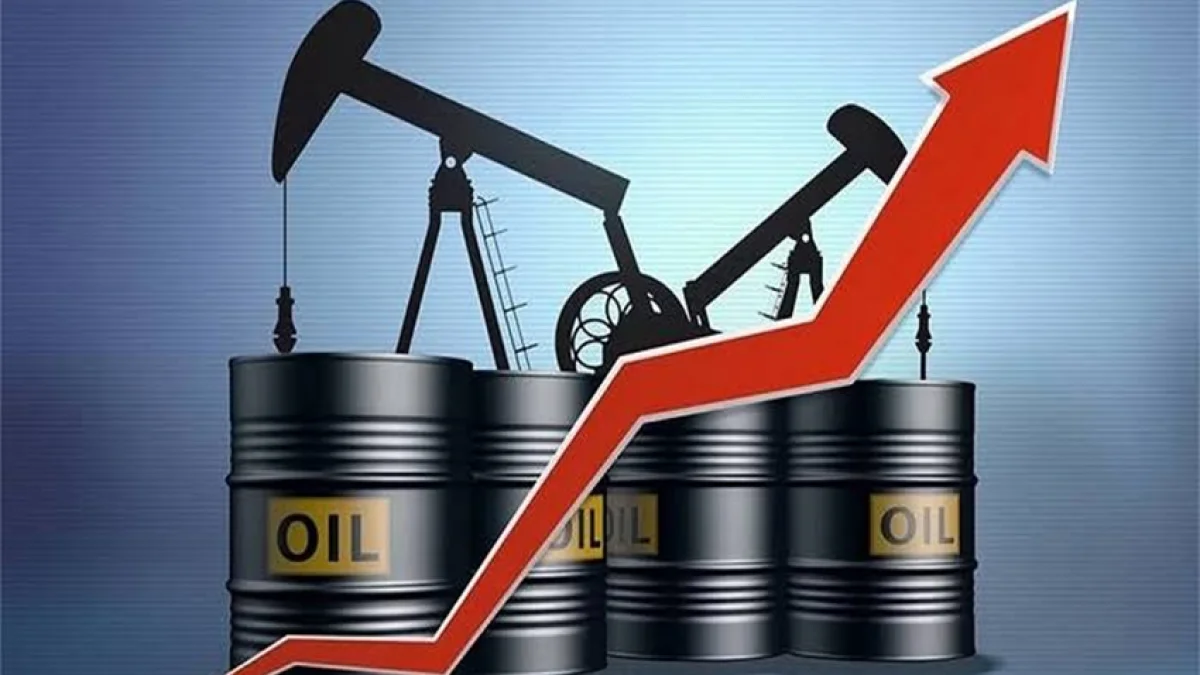
Oil Prices Surge 2% as Hormuz Strait Tensions Threaten Global Crude Trade
Global oil prices surged by nearly 2% during today's trading sessions, reaching their highest levels in four weeks, driven by escalating geopolitical tensions in the Gulf region, particularly around the Strait of Hormuz, one of the world's most critical oil shipping chokepoints. Brent crude climbed to $84.98 per barrel, while West Texas Intermediate (WTI) rose to $79.79 per barrel.
Strait of Hormuz: A Vital Artery for Global Oil Trade
Approximately one-fifth of the world's seaborne oil trade passes through the Strait of Hormuz, making it a vital artery for global energy markets. Concerns over potential supply disruptions have intensified as military and security confrontations in the region persist, prompting markets to immediately reprice the risks associated with any halt in crude flows.
Geopolitical Risk Premium Returns to Crude Markets
Analysts note that markets are now incorporating a clear geopolitical risk premium into crude prices, as investors closely monitor any developments that could impact maritime navigation or oil exports from the region. This heightened vigilance is amplifying volatility in global markets, especially with no imminent signs of de-escalation.
Impact of US Policies and Naval Measures
Traders are closely watching US policy developments toward Iran, amid growing fears that stricter sanctions and increased naval measures could further tighten available supply. If the current escalation continues, these factors could push oil prices even higher, adding more pressure on oil-importing economies worldwide.
Despite lingering concerns over a slowdown in the global economy, security developments in the Middle East have become the most influential factor driving oil price movements in the current period. Markets remain on edge, awaiting any new developments that could determine the direction of crude prices in the coming days, with scenarios ranging from a sharp rally to a temporary retreat if a ceasefire or diplomatic solution emerges.
Related News
View All News
Yttrium Crisis Hits Global Supply Chains, Threatens Auto and Aviation Industries as Japan and US Face Rare Earth Test
The yttrium crisis is escalating after China's rare earth export restrictions, threatening Japan's stockpiles within months. Yttrium oxide prices have reached $1,150 per kilogram outside China versus just $9 inside…

BYD Ignites German Price War with 32% Discount, Challenging Volkswagen and Mercedes
BYD offered discounts of 27.5% and 31.8% on its plug-in hybrid models in Germany during August. The company captured 10.7% of the market in July, taking fourth place. Discounts exceeded…
Mercedes, BMW, Volkswagen, and Porsche Sales Collapse 40% in China
German automotive giants saw sales in China plunge between 30% and 40% during parts of this year, outpacing the overall market's 20% contraction. The development cycle gap — 18 months…

China Car Sales Set to Drop to 18.5 Million Units in 2026
Passenger car sales in China are projected to drop to 18.5 million units in 2026, down from 23.7 million in 2025. Forecasts point to a limited 2% recovery in 2027…

Hyundai Hydrogen Sales Surpass 50,000 Units in Korea
Hyundai Motor's cumulative hydrogen fuel cell vehicle sales in South Korea have exceeded 50,262 units as of the end of September. The Nexo SUV, launched in 2018, accounts for the…

