

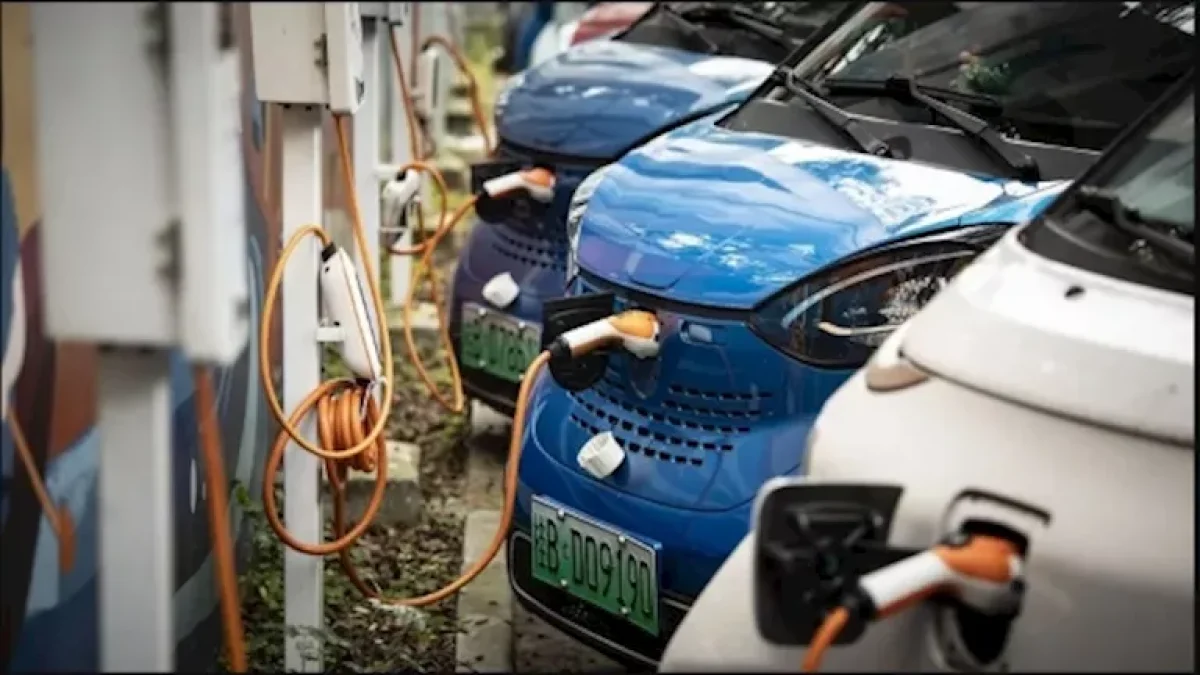
Nigeria's Green Shift: Tax Breaks for EVs They Charge With Generators
Nigeria is offering broad tax exemptions to encourage electric vehicle purchases, approving incentives for about 4,000 EVs in the first half of 2026. The country's power grid generates only 4,000 megawatts for over 200 million people, forcing EV charging to depend on petrol and diesel generators. The government aims to raise EVs to 60% of the national fleet by 2050. This contradiction between ambitious targets and infrastructure reality raises serious questions about the green transition's viability.
Nigeria is offering broad tax exemptions to push electric vehicle adoption, yet its crumbling power grid forces these cars to be charged using diesel and petrol generators. The government approved exemptions for roughly 4,000 EVs in the first half of 2026, a modest number against the ambitious target of 60% of the national fleet by 2050. The gap between ambition and reality is staggering.
Incentives Without Infrastructure
Government data reviewed by Reuters shows the incentive program also supports local assembly and manufacturing operations. Electric vehicles currently represent less than 1% of all vehicles in Nigeria, meaning achieving the stated goal demands an enormous infrastructure leap within three decades. But the biggest hurdle remains the energy source itself.
Nigeria generates just 4,000 megawatts of electricity to serve over 200 million people, placing it among the lowest major economies in per-capita power production. These figures make EV proliferation nearly impossible without an alternative power source, as homes and public stations effectively depend on traditional generators for battery charging. The pressing question emerges: is this a green transition or merely relocating pollution from tailpipes to generators?
Strategy or Environmental Contradiction?
The energy transition plan adopted in 2022 set clear goals, yet it collided with harsh economic realities. Instead of reducing emissions, this policy could increase fossil fuel consumption if generator reliance persists during charging. Analysts argue investing in solar-powered charging stations may offer the most viable solution.
The new program incentivizes EV purchases through electric vehicle prices, but its success hinges on the government's ability to resolve the electricity crisis first. Some startups are already experimenting with innovative solutions like rapid battery swapping and mobile solar-powered charging units, ideas that could shift Nigeria's experience from contradiction to leadership. The coming period will reveal whether these incentives can build a real market or remain ink on paper.
Nigeria's experiment offers a critical lesson for emerging EV markets across the region. The true value of this initiative will surface over the next five years, testing the government's capacity to upgrade the grid or pivot to renewable sources. Current numbers suggest a long road lies ahead toward a genuine green shift.
Frequently Asked Questions
3 questions answered
Related News
View All News
Yttrium Crisis Hits Global Supply Chains, Threatens Auto and Aviation Industries as Japan and US Face Rare Earth Test
The yttrium crisis is escalating after China's rare earth export restrictions, threatening Japan's stockpiles within months. Yttrium oxide prices have reached $1,150 per kilogram outside China versus just $9 inside…
BYD Ignites German Price War with 32% Discount, Challenging Volkswagen and Mercedes
BYD offered discounts of 27.5% and 31.8% on its plug-in hybrid models in Germany during August. The company captured 10.7% of the market in July, taking fourth place. Discounts exceeded…
Mercedes, BMW, Volkswagen, and Porsche Sales Collapse 40% in China
German automotive giants saw sales in China plunge between 30% and 40% during parts of this year, outpacing the overall market's 20% contraction. The development cycle gap — 18 months…
China Car Sales Set to Drop to 18.5 Million Units in 2026
Passenger car sales in China are projected to drop to 18.5 million units in 2026, down from 23.7 million in 2025. Forecasts point to a limited 2% recovery in 2027…
Hyundai Hydrogen Sales Surpass 50,000 Units in Korea
Hyundai Motor's cumulative hydrogen fuel cell vehicle sales in South Korea have exceeded 50,262 units as of the end of September. The Nexo SUV, launched in 2018, accounts for the…

