

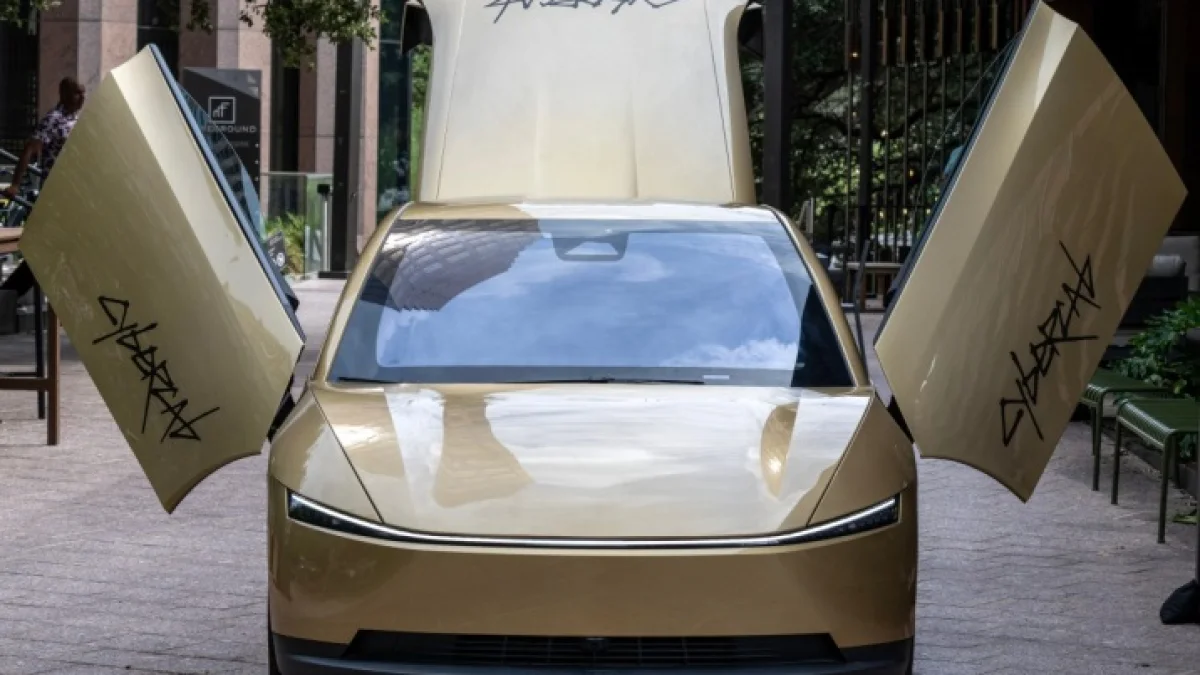
No Steering Wheel, No Pedals: US Regulators Open Probe into Tesla Cybercab Just Hours After Launch
The National Highway Traffic Safety Administration opened a formal investigation into the Tesla Cybercab just hours after it started operating in Austin, Texas. The probe is based on Tesla's self-certification of a vehicle that lacks a steering wheel, pedals, and traditional mirrors, conflicting with current federal rules. The investigation covers up to 1,000 vehicles and doesn't necessarily mean operations are halted, but it places the project under direct regulatory oversight from an early stage.
Barely hours after the Tesla Cybercab began operating on the streets of Austin, Texas, the autonomous vehicle found itself at the center of a formal investigation by the National Highway Traffic Safety Administration. The NHTSA probe targets the legal and technical basis Tesla relied upon to put a car with zero traditional controls on public roads.
A Vehicle That Defies Conventional Safety Rules
The issue is fundamental. The Cybercab has no steering wheel, no brake or accelerator pedals, and no conventional side mirrors. Current federal rules in America are still designed for human-driven cars, assuming these components exist as a basic requirement for road use. This glaring mismatch between the car's design and the regulatory framework is what triggered the early intervention, particularly after the fleet's operational launch was confirmed.
Tesla did not request a special exemption from safety standards prior to launch. Instead, it announced it had performed a 'self-certification' of the vehicle's compliance with all federal standards it deems applicable. This procedure is standard practice in the American auto industry, placing responsibility on the manufacturer to ensure its vehicle meets safety regulations. But the groundbreaking design of the Cybercab has prompted NHTSA to conduct a comprehensive review of the technical and legal basis of Tesla's compliance declaration, representing a true test of the limits of manufacturer trust.
The investigation's scope covers up to 1,000 units of the Tesla Cybercab, with a detailed examination of technical data and the certification process used by the company. This is particularly focused on standards Tesla may have deemed inapplicable to a vehicle lacking human driving controls entirely. It's crucial to note that opening a probe doesn't mean the vehicle is deemed unsafe or that operations have been halted, but it places the ambitious project under direct scrutiny from its very first days. That could influence the pace of future expansion into other cities.
Legacy Regulations vs. The Autonomous Future
The biggest test facing the Cybercab now isn't about the software's ability to drive itself, but rather the nature of the vehicle itself, which is designed on the premise that a human will never take the wheel. Current rules still contain stringent requirements related to steering wheels, pedals, and traditional control components, creating a legal gray area about how to handle this new generation of vehicles that challenges the established concepts of the automotive industry.
The US Department of Transportation acknowledges this challenge and is actively working on updating some of these standards to eliminate requirements that no longer make sense for fully autonomous vehicles. Still, NHTSA insisted in its statement that existing rules remain in effect until these regulatory amendments are complete. This stance places Tesla in a delicate position; the company believes standards that don't apply to its design should not be enforced, while regulators believe self-certifications must be scrutinized until proven safe, leaving the question of who holds the actual authority to decide the future of this technology wide open.
Frequently Asked Questions
3 questions answered
Related News
View All News
Yttrium Crisis Hits Global Supply Chains, Threatens Auto and Aviation Industries as Japan and US Face Rare Earth Test
The yttrium crisis is escalating after China's rare earth export restrictions, threatening Japan's stockpiles within months. Yttrium oxide prices have reached $1,150 per kilogram outside China versus just $9 inside…
BYD Ignites German Price War with 32% Discount, Challenging Volkswagen and Mercedes
BYD offered discounts of 27.5% and 31.8% on its plug-in hybrid models in Germany during August. The company captured 10.7% of the market in July, taking fourth place. Discounts exceeded…
Mercedes, BMW, Volkswagen, and Porsche Sales Collapse 40% in China
German automotive giants saw sales in China plunge between 30% and 40% during parts of this year, outpacing the overall market's 20% contraction. The development cycle gap — 18 months…
China Car Sales Set to Drop to 18.5 Million Units in 2026
Passenger car sales in China are projected to drop to 18.5 million units in 2026, down from 23.7 million in 2025. Forecasts point to a limited 2% recovery in 2027…
Hyundai Hydrogen Sales Surpass 50,000 Units in Korea
Hyundai Motor's cumulative hydrogen fuel cell vehicle sales in South Korea have exceeded 50,262 units as of the end of September. The Nexo SUV, launched in 2018, accounts for the…

