


Morocco Produces 700,000 Cars Annually, Surpassing Italy with $16 Billion in Export Revenue
Morocco has solidified its position as an African manufacturing power, producing 700,000 vehicles annually and generating over $16 billion in automotive export revenue, outpacing Italy. Industrial activity spans 150 zones with 12,000 facilities employing two million people. Industrial exports reached $40 billion in 2025, reaching 180 countries. The $90 billion industrial sector underpins Morocco's ability to compete with major manufacturing nations.
700,000 cars. That's the production figure Morocco hits every year, outpacing Italy and pushing automotive export revenue past $16 billion, according to a report from the "Business with Lobna" program on Sky News Arabia. The numbers tell a clear story: Morocco has become a heavyweight in African manufacturing.
How Morocco Built a Manufacturing Powerhouse
Industrial activity stretches across roughly 150 industrial zones, home to more than 12,000 facilities employing nearly two million Moroccans. That's not just a jobs statistic — it reflects a production base built over two decades of strategic planning. The industrial sector's value exceeds $90 billion, giving the kingdom the muscle to compete with major manufacturing nations like Finland. Not what anyone expected from a country once known primarily for agriculture and textiles.
Exports Crossing $40 Billion
Morocco's industrial exports reached approximately $40 billion in 2025, with products reaching 180 countries worldwide. The automotive sector alone accounts for $16 billion of that total, placing the kingdom among Africa's top vehicle exporters. Egypt, by contrast, still produces fewer than 100,000 vehicles annually despite having a domestic market of over 100 million people — a gap that underscores the scale of Morocco's manufacturing advantage.
What This Means for the Egyptian Market
The Moroccan playbook is straightforward: ready infrastructure and large industrial zones attract global brands. Renault and Stellantis both operate major plants in Morocco, pushing capacity to 700,000 units per year. Egypt has started moving in the same direction with new industrial zones and localization initiatives, but the investment gap and the time lag remain significant. The gap is real.
Competition Across North Africa
Tunisia and Algeria are also chasing industrial investment, but Morocco built a fully integrated ecosystem of suppliers, assembly plants, and logistics. Those 150 industrial zones and 12,000 facilities didn't appear overnight. Can Egypt replicate the model? The answer depends on how fast infrastructure projects move and how quickly global suppliers can be attracted to the market.
The Road Ahead for Arab Manufacturing
Automotive manufacturing across the Arab world is at a turning point. Morocco proves that emerging economies can compete globally when political will meets sustained infrastructure investment. The $90 billion industrial sector is the product of years of work — not luck. Whether other nations catch up is now a question of execution.
Frequently Asked Questions
3 questions answered
Related News
View All News
Yttrium Crisis Hits Global Supply Chains, Threatens Auto and Aviation Industries as Japan and US Face Rare Earth Test
The yttrium crisis is escalating after China's rare earth export restrictions, threatening Japan's stockpiles within months. Yttrium oxide prices have reached $1,150 per kilogram outside China versus just $9 inside…
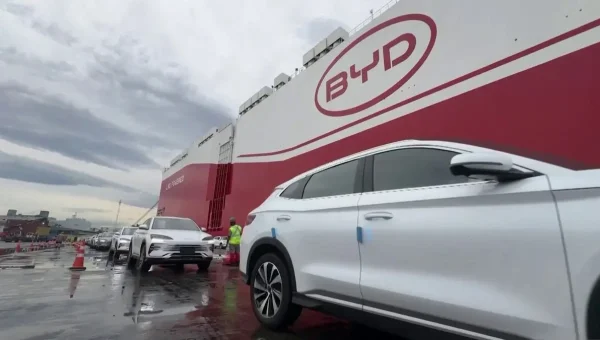
BYD Ignites German Price War with 32% Discount, Challenging Volkswagen and Mercedes
BYD offered discounts of 27.5% and 31.8% on its plug-in hybrid models in Germany during August. The company captured 10.7% of the market in July, taking fourth place. Discounts exceeded…
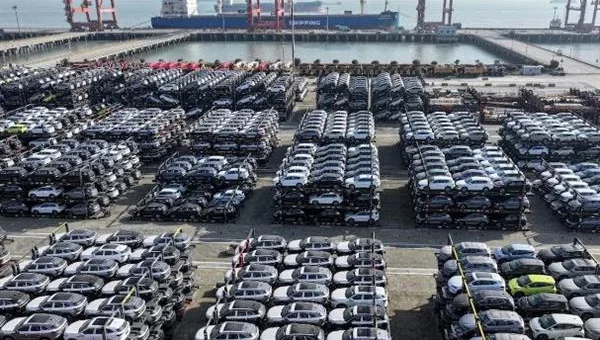
Mercedes, BMW, Volkswagen, and Porsche Sales Collapse 40% in China
German automotive giants saw sales in China plunge between 30% and 40% during parts of this year, outpacing the overall market's 20% contraction. The development cycle gap — 18 months…
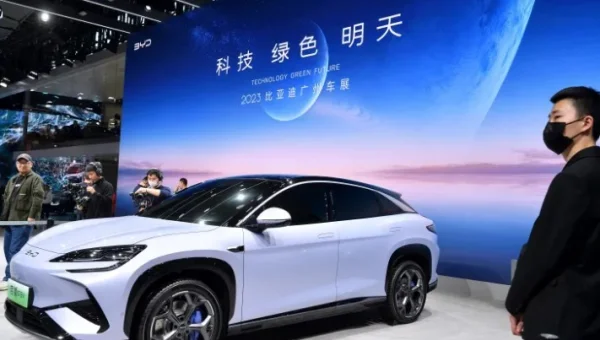
China Car Sales Set to Drop to 18.5 Million Units in 2026
Passenger car sales in China are projected to drop to 18.5 million units in 2026, down from 23.7 million in 2025. Forecasts point to a limited 2% recovery in 2027…
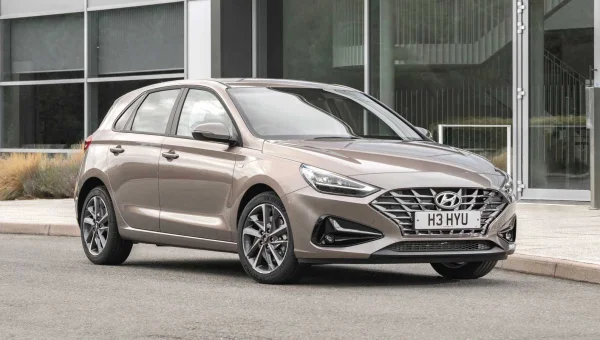
Hyundai Hydrogen Sales Surpass 50,000 Units in Korea
Hyundai Motor's cumulative hydrogen fuel cell vehicle sales in South Korea have exceeded 50,262 units as of the end of September. The Nexo SUV, launched in 2018, accounts for the…

