

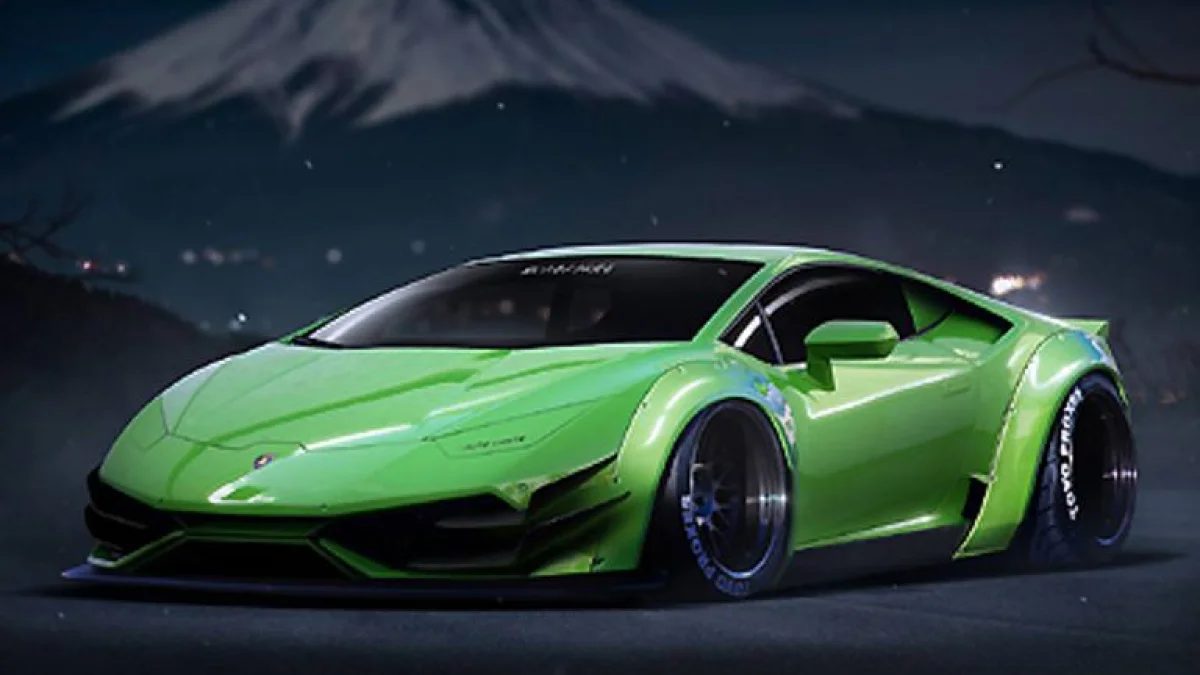
Lamborghini CEO: Horsepower Alone Won't Cut It — Chinese Supercars Miss This Key Element
Lamborghini CEO Stephan Winkelmann criticized the Chinese supercar approach at the 2026 Goodwood Festival of Speed, arguing that high power cannot replace sound and emotion. The company remains committed to hybrid combustion engines in the Revuelto, Temerario, and Urus SE models.
Thousands of horsepower aren't enough to win the hearts of supercar enthusiasts. That's the core message from Stephan Winkelmann, CEO of Lamborghini, speaking at the 2026 Goodwood Festival of Speed, where he downplayed the threat from Chinese rivals despite their record-breaking figures. Chinese companies excel in raw numbers, yet they overlook a fundamental element in his view.
Sound and Emotion Trump Power Figures
The Denza Z delivers 1,583 horsepower, while brands like Yangwang push electric acceleration limits to unprecedented levels. Winkelmann, however, insists these numbers can't match the feeling of a naturally aspirated V12. The three essential elements for any true supercar are performance, sound. The emotions transmitted to the driver behind the wheel.
The Italian equation is fundamentally different. Instant electric torque is impressive, but it lacks the ongoing dialogue between car and driver. The difference isn't in top speed — it's in the journey to get there and the bond forged along the way.
Why Lamborghini Sticks with Combustion Engines
Lamborghini has shelved its rush toward full electrification after noticing customers still prefer combustion engines within hybrid setups. The Revuelto retains its V12 with electric assistance, the Temerario pairs a twin-turbo V8 with three electric motors, and the Urus SE relies on a plug-in hybrid powertrain.
This strategy reflects a sharp reading of the supercar market. Even younger buyers — presumably the most open to electric power — still crave engine sound and the driving experience tied to it. The answer to the Chinese challenge isn't doubling down on power, it's preserving identity.
Executing this vision requires a delicate balance between honoring heritage and adapting to the future. Current hybrid models prove the Italians have found a winning formula; the cars remain loud and thrilling yet more efficient than ever. Dropping the combustion engine will be the last step in Lamborghini's agenda, not the first.
China has proven it can shatter records and build ultra-fast electric machines. Winkelmann is betting that real drivers search for something beyond silent acceleration. All this impressive technological progress confronts an existential question: can a supercar truly live without sound? The market alone will settle this debate.
Frequently Asked Questions
3 questions answered
Related News
View All News
Yttrium Crisis Hits Global Supply Chains, Threatens Auto and Aviation Industries as Japan and US Face Rare Earth Test
The yttrium crisis is escalating after China's rare earth export restrictions, threatening Japan's stockpiles within months. Yttrium oxide prices have reached $1,150 per kilogram outside China versus just $9 inside…
BYD Ignites German Price War with 32% Discount, Challenging Volkswagen and Mercedes
BYD offered discounts of 27.5% and 31.8% on its plug-in hybrid models in Germany during August. The company captured 10.7% of the market in July, taking fourth place. Discounts exceeded…
Mercedes, BMW, Volkswagen, and Porsche Sales Collapse 40% in China
German automotive giants saw sales in China plunge between 30% and 40% during parts of this year, outpacing the overall market's 20% contraction. The development cycle gap — 18 months…
China Car Sales Set to Drop to 18.5 Million Units in 2026
Passenger car sales in China are projected to drop to 18.5 million units in 2026, down from 23.7 million in 2025. Forecasts point to a limited 2% recovery in 2027…
Hyundai Hydrogen Sales Surpass 50,000 Units in Korea
Hyundai Motor's cumulative hydrogen fuel cell vehicle sales in South Korea have exceeded 50,262 units as of the end of September. The Nexo SUV, launched in 2018, accounts for the…

