

Iron Dome Could Save Volkswagen's Osnabrück Plant from Closure
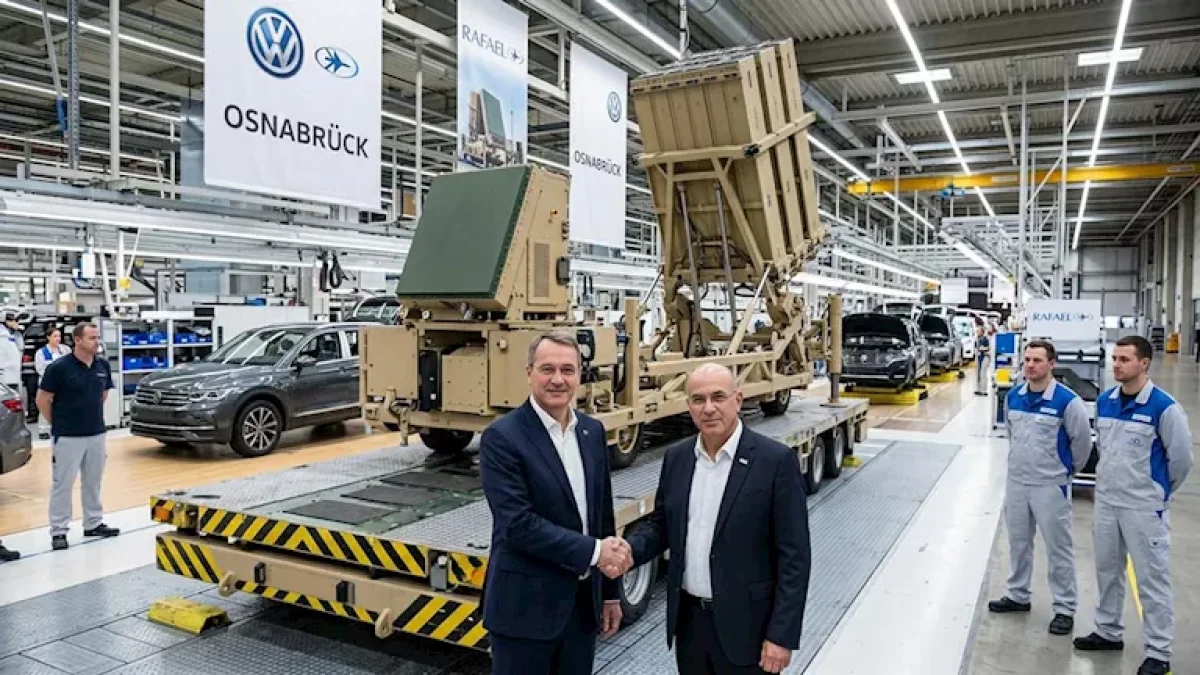
Volkswagen is considering converting its Osnabrück plant to produce defense components for Israel's Iron Dome system, aiming to prevent closure by 2027. The plan includes making launchers, generators, and heavy transport vehicles, with a memorandum of understanding expected on September 7, 2026. Qatar, a major shareholder, has raised objections, complicating the negotiations. The plant employs 2,300 workers facing an uncertain future.
Volkswagen is reportedly studying a plan to convert part of its Osnabrück plant into a production facility for defense components and equipment for Israel's Rafael, the maker of the Iron Dome air defense system. This move is aimed at saving the plant from closure and preserving thousands of jobs, as the company plans to end car production there by 2027. The decision could affect 2,300 employees.
What Will VW Produce for the Iron Dome?
The proposed plans don't involve manufacturing the Iron Dome's missiles inside the German plant, but rather producing related components and equipment. These include heavy transport vehicles, launchers. Generators, with Rafael expected to benefit from the infrastructure and manufacturing capabilities at Osnabrück. This new industrial direction could give the plant a fresh purpose.
Volkswagen, in cooperation with the state government of Lower Saxony, is seeking alternative uses for the facility. The state holds a stake in the company, giving it a key role in discussions about the site's future. Preserving as many jobs as possible is the main goal.
Timing Is Critical: Memorandum in September
German reports indicate that Volkswagen, Lower Saxony, and Rafael may sign a memorandum of understanding on September 7, 2026, though final details, government involvement, and the number of saved jobs remain unclear. The upcoming decision will be crucial for thousands of families.
Yet obstacles remain. British news reports say Qatar, a major shareholder in Volkswagen, has expressed reservations and objections to the German-Israeli plan, complicating negotiations in recent months. These Qatari objections could delay or even cancel the deal.
Why is Osnabrück significant? It represents part of Germany's industrial heritage, and its closure would deeply impact the city economically and socially. The new plan could keep the site operational, albeit in a completely different sector. Volkswagen is exploring every option.
Frequently Asked Questions
3 questions answered
Related News
View All News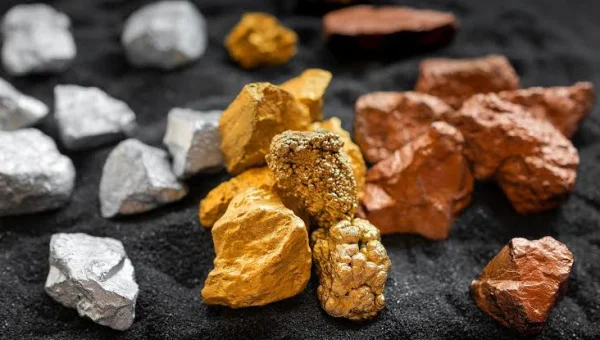
Yttrium Crisis Hits Global Supply Chains, Threatens Auto and Aviation Industries as Japan and US Face Rare Earth Test
The yttrium crisis is escalating after China's rare earth export restrictions, threatening Japan's stockpiles within months. Yttrium oxide prices have reached $1,150 per kilogram outside China versus just $9 inside…
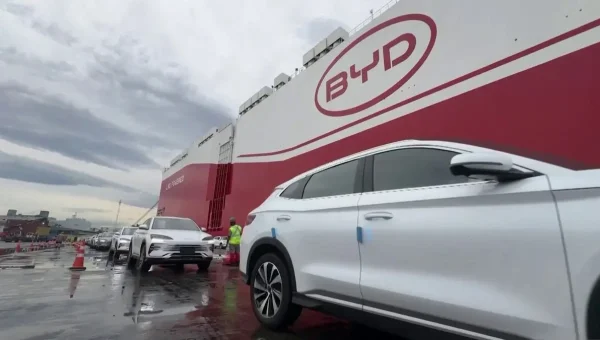
BYD Ignites German Price War with 32% Discount, Challenging Volkswagen and Mercedes
BYD offered discounts of 27.5% and 31.8% on its plug-in hybrid models in Germany during August. The company captured 10.7% of the market in July, taking fourth place. Discounts exceeded…
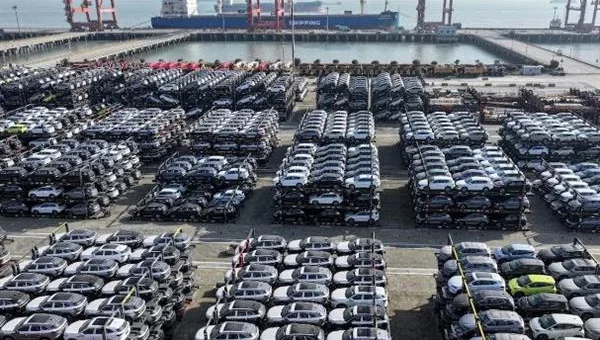
Mercedes, BMW, Volkswagen, and Porsche Sales Collapse 40% in China
German automotive giants saw sales in China plunge between 30% and 40% during parts of this year, outpacing the overall market's 20% contraction. The development cycle gap — 18 months…
China Car Sales Set to Drop to 18.5 Million Units in 2026
Passenger car sales in China are projected to drop to 18.5 million units in 2026, down from 23.7 million in 2025. Forecasts point to a limited 2% recovery in 2027…
Hyundai Hydrogen Sales Surpass 50,000 Units in Korea
Hyundai Motor's cumulative hydrogen fuel cell vehicle sales in South Korea have exceeded 50,262 units as of the end of September. The Nexo SUV, launched in 2018, accounts for the…

