

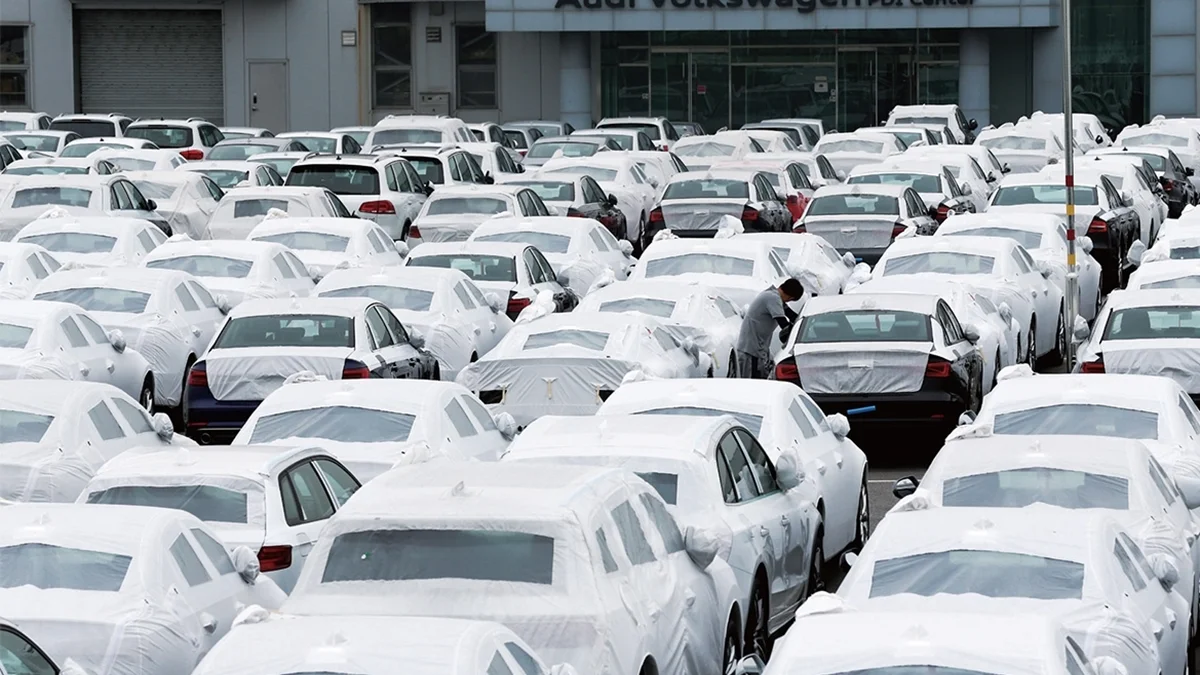
Imported Cars Account for Over a Quarter of New Registrations in South Korea for the First Time
Recent data released by the Korea Automobile Importers & Distributors Association (KAIDA) and the Korea Automotive & Mobility Association (KAMA) has revealed a significant surge in the market share of imported vehicles in South Korea. For the first time, imported cars accounted for more than 25% of all newly registered vehicles in the country during May, indicating a notable shift in consumer preferences towards foreign brands.
Detailed Figures and Market Share
The total number of newly registered vehicles in South Korea reached 115,680 units in May. Of these, 29,860 were imported cars, while 85,820 were domestically produced vehicles. This gave imported cars a market share of 25.8%, breaching the 25% threshold for the first time in the history of the Korean automotive market. The upward trend continued into June, with the number of newly registered imported cars exceeding 38,000 units, pushing the market share even higher to 25.9%.
Sustained Growth and Record-Breaking Performance
The data showed that the market share of imported cars has remained above the 20% mark for the fifth consecutive month since February of this year. Furthermore, the number of newly registered imported vehicles in June rose by 37% year-on-year, marking the highest monthly figure ever recorded. The cumulative number of newly registered imported cars in the first half of this year reached 184,000 units, also an all-time high, highlighting the strong momentum behind this segment.
The Role of Leading Brands in the Growth
Tesla played a pivotal role in driving this growth, capturing a 30.5% share of all newly registered cars in the first half of the year, with sales reaching 56,139 units during the period. Chinese manufacturer BYD secured the second position among imported brands, selling 11,675 units, ahead of Lexus and Audi. This performance reflects the growing popularity of electric vehicles and Chinese brands in a market traditionally dominated by local giants such as Hyundai and Kia.
South Korea has long been considered one of the most challenging markets for imported cars due to strong local competition and consumer loyalty. However, these latest figures suggest a gradual but clear transformation in buyer behavior. Industry observers expect the share of imported vehicles to continue climbing in the coming months, driven by an expanding lineup of electric and hybrid models from foreign manufacturers, along with improved after-sales services and a growing network of authorized service centers across the country.
Related News
View All News
Yttrium Crisis Hits Global Supply Chains, Threatens Auto and Aviation Industries as Japan and US Face Rare Earth Test
The yttrium crisis is escalating after China's rare earth export restrictions, threatening Japan's stockpiles within months. Yttrium oxide prices have reached $1,150 per kilogram outside China versus just $9 inside…
BYD Ignites German Price War with 32% Discount, Challenging Volkswagen and Mercedes
BYD offered discounts of 27.5% and 31.8% on its plug-in hybrid models in Germany during August. The company captured 10.7% of the market in July, taking fourth place. Discounts exceeded…
Mercedes, BMW, Volkswagen, and Porsche Sales Collapse 40% in China
German automotive giants saw sales in China plunge between 30% and 40% during parts of this year, outpacing the overall market's 20% contraction. The development cycle gap — 18 months…
China Car Sales Set to Drop to 18.5 Million Units in 2026
Passenger car sales in China are projected to drop to 18.5 million units in 2026, down from 23.7 million in 2025. Forecasts point to a limited 2% recovery in 2027…
Hyundai Hydrogen Sales Surpass 50,000 Units in Korea
Hyundai Motor's cumulative hydrogen fuel cell vehicle sales in South Korea have exceeded 50,262 units as of the end of September. The Nexo SUV, launched in 2018, accounts for the…

