


Hyundai Motor Workers Launch 3-Day Partial Strike Over Wages and AI Concerns
Workers at Hyundai Motor have launched a three-day partial strike starting Monday, protesting the failure to reach an agreement on wages and bonuses. The union is demanding larger bonuses following historic payouts in South Korea's semiconductor sector, as well as guarantees against job losses due to artificial intelligence and robotics, according to media reports.
Strike Details and Union Demands
Production workers at South Korea's largest automaker will stop work two hours before the end of their shifts through Wednesday, after wage talks ended last week without an agreement. Union leaders plan to meet again on Thursday to discuss next steps, while negotiations continue behind closed doors.
The main sticking point in this year's talks revolves around the union's decades-long quest to secure a performance bonus linked to 30% of the previous year's consolidated net profit. Although this demand has long been dismissed as merely an opening bargaining chip, it has gained significant momentum after tech giants Samsung Electronics and SK Hynix recently granted chip sector workers massive bonuses to share the huge profits driven by the artificial intelligence boom.
Technological Shifts and Their Impact on Workers
Hyundai Motor workers find themselves at the heart of transformations driven by automation and the spread of humanoid robots. The company plans to deploy its "Atlas" robot in its factories to handle high-intensity repetitive tasks, starting with vehicle parts preparation and assembly operations in the United States in 2028, and eventually integrating it into more complex assembly tasks by 2030. These developments come as the global automotive industry undergoes radical shifts toward automation and artificial intelligence, placing workers before significant challenges regarding job security as reliance on technology increases. Hyundai continues its heavy investments in this field, prompting the union to demand clear guarantees against job losses in favor of robots and intelligent systems.
Related News
View All News
Yttrium Crisis Hits Global Supply Chains, Threatens Auto and Aviation Industries as Japan and US Face Rare Earth Test
The yttrium crisis is escalating after China's rare earth export restrictions, threatening Japan's stockpiles within months. Yttrium oxide prices have reached $1,150 per kilogram outside China versus just $9 inside…
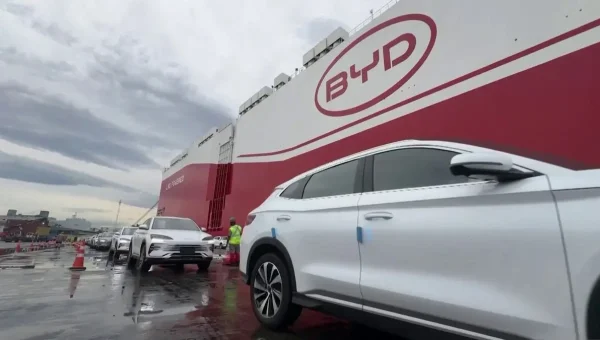
BYD Ignites German Price War with 32% Discount, Challenging Volkswagen and Mercedes
BYD offered discounts of 27.5% and 31.8% on its plug-in hybrid models in Germany during August. The company captured 10.7% of the market in July, taking fourth place. Discounts exceeded…
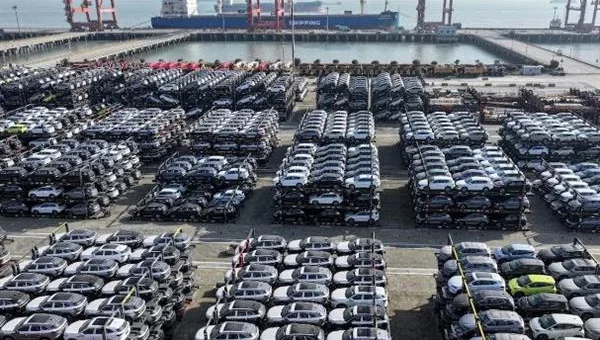
Mercedes, BMW, Volkswagen, and Porsche Sales Collapse 40% in China
German automotive giants saw sales in China plunge between 30% and 40% during parts of this year, outpacing the overall market's 20% contraction. The development cycle gap — 18 months…
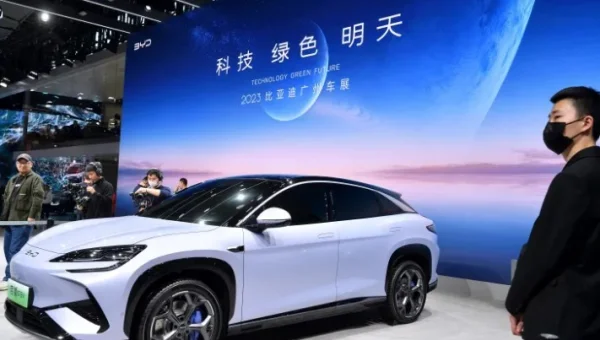
China Car Sales Set to Drop to 18.5 Million Units in 2026
Passenger car sales in China are projected to drop to 18.5 million units in 2026, down from 23.7 million in 2025. Forecasts point to a limited 2% recovery in 2027…
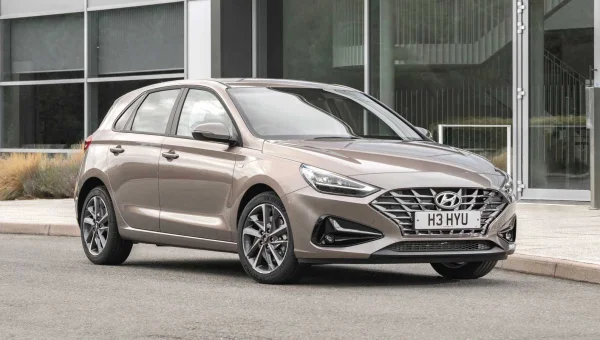
Hyundai Hydrogen Sales Surpass 50,000 Units in Korea
Hyundai Motor's cumulative hydrogen fuel cell vehicle sales in South Korea have exceeded 50,262 units as of the end of September. The Nexo SUV, launched in 2018, accounts for the…

