

Where Did Hood Ornaments Go? The Story of Vanished Luxury Icons
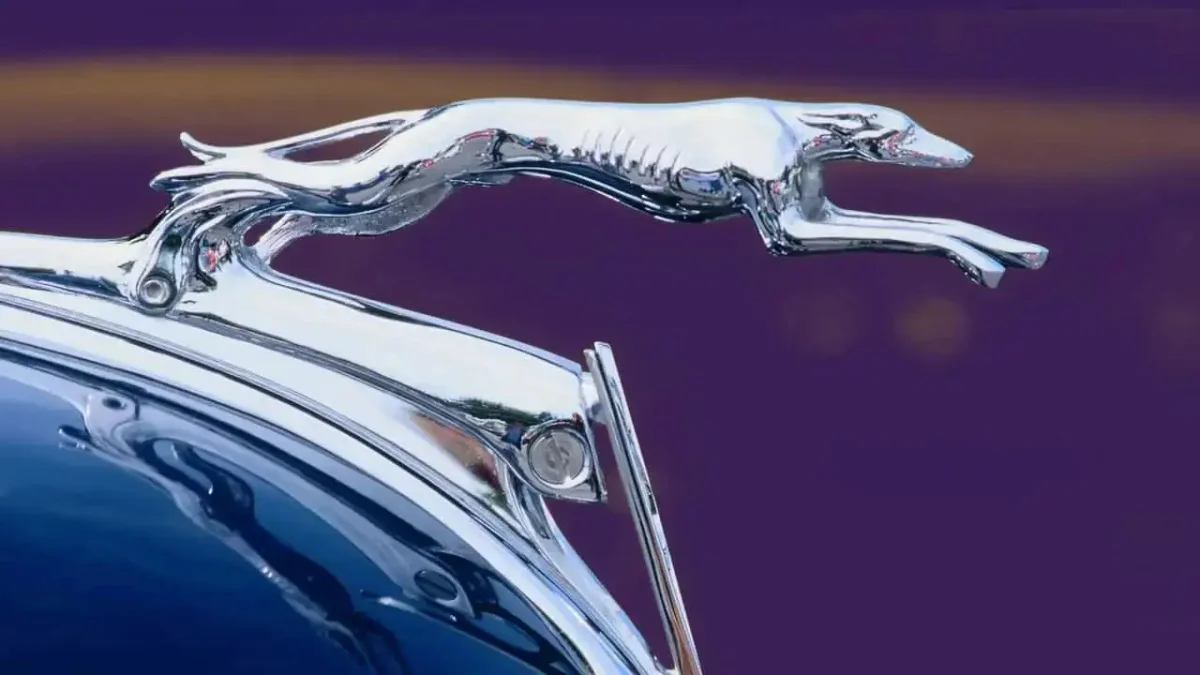
A single glance at the front of a car used to reveal its identity from a distance. No massive badges or full-width light bars were needed back then; a small metal piece perched atop the hood often said everything.
How Did It All Begin?
The numbers speak volumes. Cadillac was known for the ‘Flying Goddess,’ Jaguar chose the leaping cat, and Mercedes-Benz turned its three-pointed star into an unmistakable mark, while Rolls-Royce still clings to the famous ‘Spirit of Ecstasy’ on its hoods. These ornaments were, for decades, part of a car's character and prestige — especially in luxury models.
But the scene has changed completely. The piece that once represented elegance has vanished from most new cars. So, what happened?
No Single Reason Behind the Disappearance
The story didn't start with an abrupt decision by automakers, nor was there just one cause. Safety regulations, pedestrian protection, thefts, production costs, and even the changing shape of cars themselves... all played a role in gradually pushing hood ornaments out of the picture. The beginnings weren't purely decorative — in the early years, the radiator cap was a prominent front feature. Some pieces atop it were linked to the cooling system itself.
Things evolved over time. Manufacturers discovered that this small space could become their signature, sparking a race to design symbols that gave each brand a distinct personality. Animals symbolizing speed and power appeared, along with mythological figures, geometric shapes, and family crests.
Cadillac used multiple designs, most notably the ‘Flying Goddess’ during the chrome-laden era of big American cars. Jaguar turned its name into the leaping cat ‘Leaper,’ while Mercedes-Benz sufficed with its three-pointed star on the hood — enough to announce the car's arrival before the rest of the design came into view.
Today, these icons are rare in modern models. Cadillac itself has abandoned the figurine in favor of flat or integrated badges in the grille, as have most luxury brands; sleek new designs leave no room for a protruding piece that might disrupt aerodynamics or pose a risk in pedestrian collisions.
The outcome? Mercedes still offers the star as an option on some models, but it's now an exception rather than the rule. Rolls-Royce remains loyal to tradition, yet it feels like a revival of a bygone era, while manufacturers explore new ways to express identity through lighting and bold front-end designs. Luxury icons haven't vanished entirely — they've simply moved from atop the hood to another part of the design.
Related News
View All News
Yttrium Crisis Hits Global Supply Chains, Threatens Auto and Aviation Industries as Japan and US Face Rare Earth Test
The yttrium crisis is escalating after China's rare earth export restrictions, threatening Japan's stockpiles within months. Yttrium oxide prices have reached $1,150 per kilogram outside China versus just $9 inside…

BYD Ignites German Price War with 32% Discount, Challenging Volkswagen and Mercedes
BYD offered discounts of 27.5% and 31.8% on its plug-in hybrid models in Germany during August. The company captured 10.7% of the market in July, taking fourth place. Discounts exceeded…

Mercedes, BMW, Volkswagen, and Porsche Sales Collapse 40% in China
German automotive giants saw sales in China plunge between 30% and 40% during parts of this year, outpacing the overall market's 20% contraction. The development cycle gap — 18 months…

China Car Sales Set to Drop to 18.5 Million Units in 2026
Passenger car sales in China are projected to drop to 18.5 million units in 2026, down from 23.7 million in 2025. Forecasts point to a limited 2% recovery in 2027…
Hyundai Hydrogen Sales Surpass 50,000 Units in Korea
Hyundai Motor's cumulative hydrogen fuel cell vehicle sales in South Korea have exceeded 50,262 units as of the end of September. The Nexo SUV, launched in 2018, accounts for the…

