

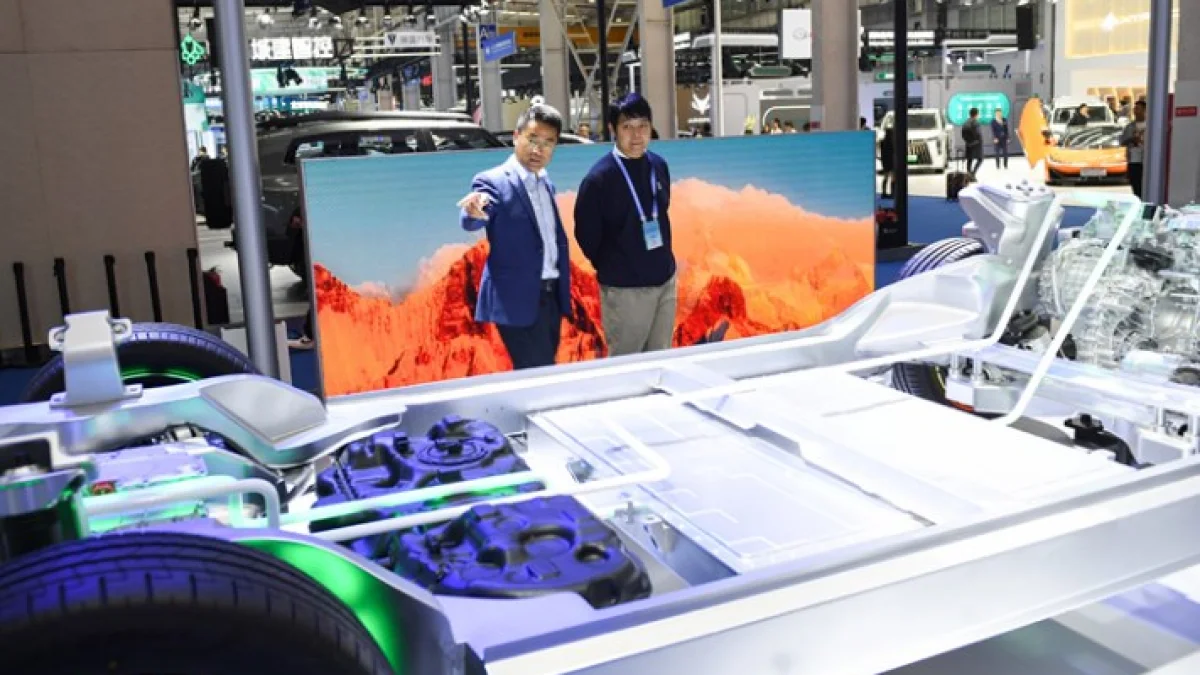
Global Intelligent and Connected Vehicles Conference 2026 Kicks Off in Beijing to Shape the Future of Autonomous Driving
The Global Intelligent and Connected Vehicles Conference 2026 opened in Beijing under the theme 'Gathering Intelligence, Connecting Without Borders' with government representatives, experts, and companies from around the world. Hao Li Shun of China's Ministry of Industry and Information Technology said the industry is transforming from a means of transport into a smart mobile device and energy storage unit. The conference discussed the shift from traditional trade to joint development and shared supply chains, with aspirations to boost cooperation with Arab countries in smart vehicles.
The Global Intelligent and Connected Vehicles Conference 2026 opened Wednesday in Beijing under the theme 'Gathering Intelligence, Connecting Without Borders — A Steady Step Toward a New Era of Autonomous Driving.' The event brings together government representatives, international organizations, experts, research institutions, and companies from around the world. Beijing is staking its claim.
China Redefines the Car as a Smart Mobile Device
Speaking at a press conference, Hao Li Shun, an official at China's Ministry of Industry and Information Technology, said the global vehicle industry is undergoing profound changes. Internet, AI, and information technologies continue to empower the sector, pushing the car from a mere means of transport into a smart mobile device, a green energy storage unit, and a digital living space. The shift isn't just technical.
This transformation comes as major global automakers race to develop autonomous driving and connected vehicle systems, making these technologies a core pillar in the strategies of Toyota, Mercedes, and BMW, among other leading brands. The market is waiting for tangible results.
International Cooperation Moves from Trade to Joint Development
International cooperation in the vehicle industry is no longer limited to traditional product trade. Today, it has shifted to joint research and development, collaborative manufacturing, shared supply chain building. Coordination on standards and regulations. This shift is reshaping the global automotive competition and cooperation landscape, opening the door to business models that were unthinkable just a few years ago.
China is pushing hard to develop technology and drive innovation across various fields, strengthening cooperation with Arab countries in multiple sectors, especially automobiles. As Beijing continues to explore the growth and innovation potential in this sector—particularly intelligent and connected vehicles—there are growing aspirations to boost cooperation between the two sides in this vital area. The opportunities are there.
The conference isn't limited to theoretical sessions; it includes accompanying events aimed at deepening cooperation between countries, coordinating across different fields, and advancing regional collaboration. Participants are analyzing industry trends, showcasing the latest results, and unifying consensus within the sector. The platform aims to be a launchpad for a new phase of technical integration between global markets.
Questions loom over how much the Egyptian market can benefit from these shifts, especially with growing local consumer interest in electric and hybrid vehicles and driver-assistance technologies. Experts see the conference potentially opening new cooperation channels between Chinese companies and their regional counterparts, which could reflect on the availability of smart models at competitive prices in the coming years. Anticipation is high.
Frequently Asked Questions
3 questions answered
Related News
View All News
Yttrium Crisis Hits Global Supply Chains, Threatens Auto and Aviation Industries as Japan and US Face Rare Earth Test
The yttrium crisis is escalating after China's rare earth export restrictions, threatening Japan's stockpiles within months. Yttrium oxide prices have reached $1,150 per kilogram outside China versus just $9 inside…
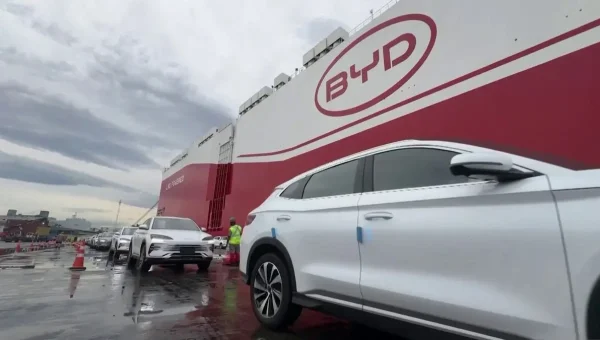
BYD Ignites German Price War with 32% Discount, Challenging Volkswagen and Mercedes
BYD offered discounts of 27.5% and 31.8% on its plug-in hybrid models in Germany during August. The company captured 10.7% of the market in July, taking fourth place. Discounts exceeded…
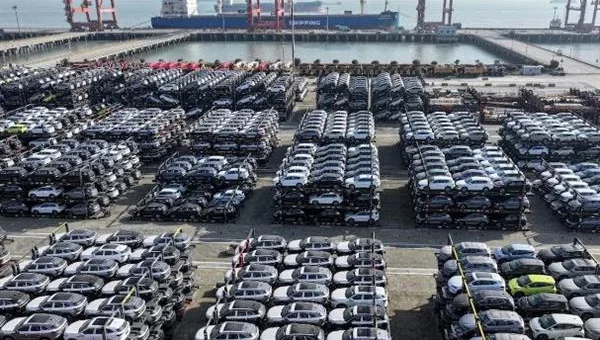
Mercedes, BMW, Volkswagen, and Porsche Sales Collapse 40% in China
German automotive giants saw sales in China plunge between 30% and 40% during parts of this year, outpacing the overall market's 20% contraction. The development cycle gap — 18 months…
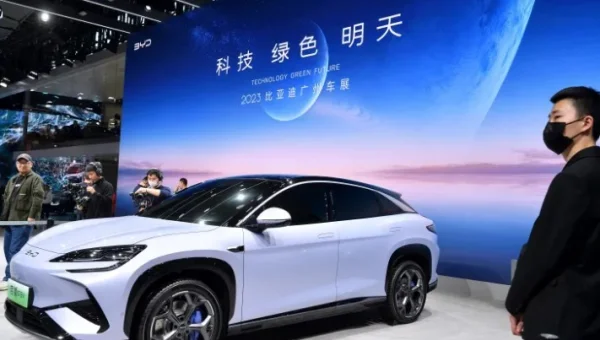
China Car Sales Set to Drop to 18.5 Million Units in 2026
Passenger car sales in China are projected to drop to 18.5 million units in 2026, down from 23.7 million in 2025. Forecasts point to a limited 2% recovery in 2027…
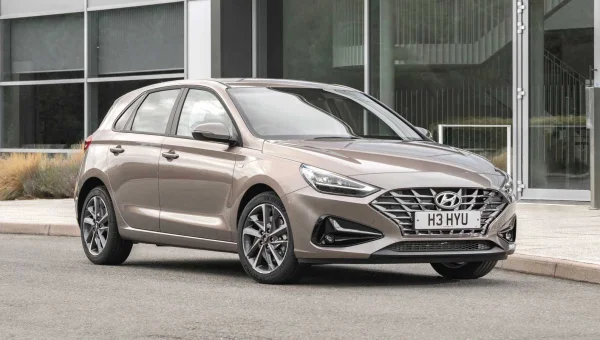
Hyundai Hydrogen Sales Surpass 50,000 Units in Korea
Hyundai Motor's cumulative hydrogen fuel cell vehicle sales in South Korea have exceeded 50,262 units as of the end of September. The Nexo SUV, launched in 2018, accounts for the…

