

German Auto Giants Face Existential Threat: End of 'Made in Germany' Era
BMW recently issued a major profit warning, signaling that the German automotive industry's business model is now suffering from a structural flaw. With reports that top executives at Volkswagen are worried about existential threats facing the company, it is clear that BMW's problems are not an isolated case.
Chinese Competition Disrupts the German Automotive Sector
Fierce competition from Chinese companies has crushed the ambitions of the German automotive sector, leaving these companies with no choice but to scale down their operations. Although recovery is not guaranteed, the US market at least offers a glimmer of hope. For decades, German automakers formed a cornerstone of Germany's exports, and their engineering excellence was a source of national pride. A weak euro, rising global wealth, and expanding free trade helped turn German luxury cars, SUVs, and sports cars into global status symbols.
The massive profits earned from overseas customers, especially in China, supported high-paying manufacturing jobs within Germany. However, those boom days are now in the past. Sales of German cars in China have declined sharply as the economy there slows down and local consumers increasingly view high-priced internal combustion engine vehicles as outdated or overpriced.
Chinese Electric Vehicles Invade Global Markets
In contrast, companies like Xiaomi and BYD, among others, are offering attractive electric vehicles at more competitive prices. German companies are losing their foothold, with their market share of EV sales in China falling to just 2% in the first quarter of 2026. Chinese electric and hybrid vehicles are also beginning to invade European markets, at a time when the European car market remains smaller than before the COVID-19 pandemic, while competition intensifies.
Additionally, German car exports to the United States now face a 15% import tariff, making shipping from Europe less profitable. It was expected that the new CEO of Porsche, Michael Leiters, would say during the company's annual meeting on Tuesday that the phrase "Made in Germany" sometimes "seems like a hindrance" due to protectionism, rising costs, and stricter regulations.
Related News
View All News
Yttrium Crisis Hits Global Supply Chains, Threatens Auto and Aviation Industries as Japan and US Face Rare Earth Test
The yttrium crisis is escalating after China's rare earth export restrictions, threatening Japan's stockpiles within months. Yttrium oxide prices have reached $1,150 per kilogram outside China versus just $9 inside…
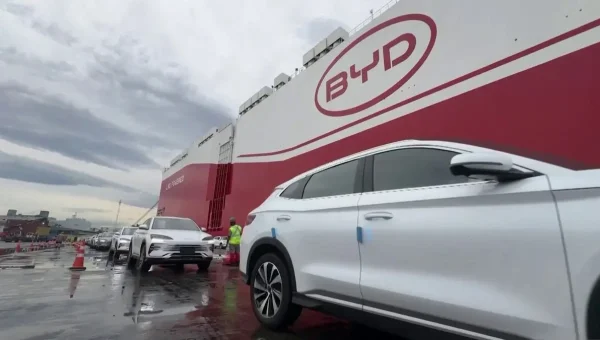
BYD Ignites German Price War with 32% Discount, Challenging Volkswagen and Mercedes
BYD offered discounts of 27.5% and 31.8% on its plug-in hybrid models in Germany during August. The company captured 10.7% of the market in July, taking fourth place. Discounts exceeded…
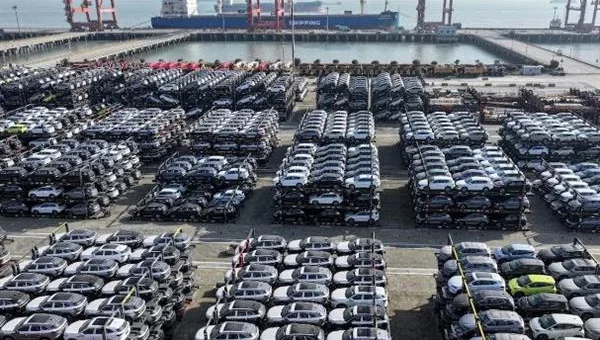
Mercedes, BMW, Volkswagen, and Porsche Sales Collapse 40% in China
German automotive giants saw sales in China plunge between 30% and 40% during parts of this year, outpacing the overall market's 20% contraction. The development cycle gap — 18 months…
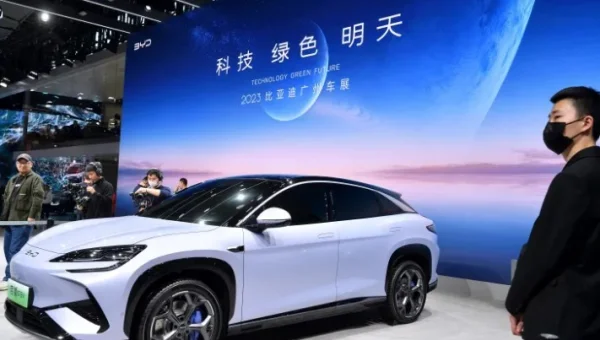
China Car Sales Set to Drop to 18.5 Million Units in 2026
Passenger car sales in China are projected to drop to 18.5 million units in 2026, down from 23.7 million in 2025. Forecasts point to a limited 2% recovery in 2027…
Hyundai Hydrogen Sales Surpass 50,000 Units in Korea
Hyundai Motor's cumulative hydrogen fuel cell vehicle sales in South Korea have exceeded 50,262 units as of the end of September. The Nexo SUV, launched in 2018, accounts for the…

