

Gasoline Breaks Historic Record in Germany as Iran Crisis Fuels Prices
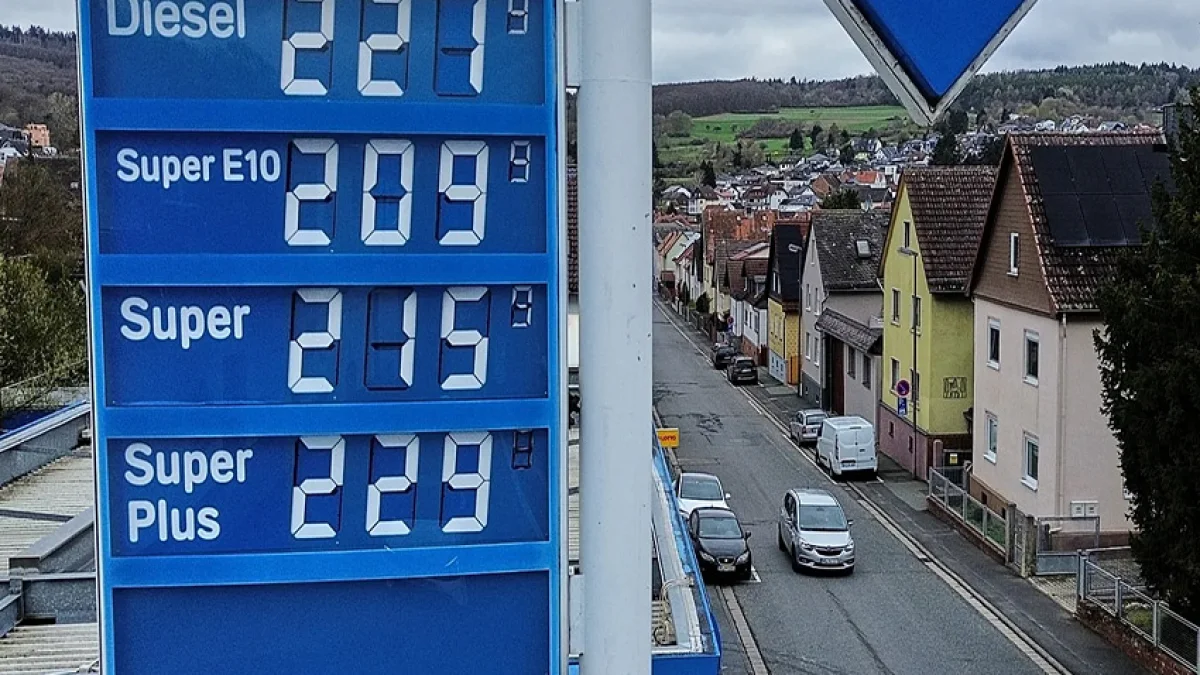
Super E10 gasoline in Germany reached an all-time nominal high of €2.215 per liter, exceeding the previous record of €2.203 set in March 2022. The surge coincides with escalating US-Iran military tensions and Brent crude approaching $95 per barrel. Interestingly, diesel prices fell by 1.6 cents during the same period, leading ADAC to suggest fuel prices are higher than oil movements alone can explain. Low Rhine River water levels are adding pressure on fuel transport logistics.
Germany's most popular gasoline grade, Super E10, has hit an all-time nominal high of €2.215 per liter, breaking the previous record of €2.203 set in March 2022. The surge comes as US-Iran military tensions reignite global fears over oil supply disruptions. This marks the first time since the Russian-Ukrainian war era that pump prices have reached such a level.
ADAC Data Confirms New Record
The German automobile club ADAC reported the nationwide average price for Super E10 reached €2.215 per liter on Wednesday, September 2, 2026. That figure surpasses the previous peak by a narrow but significant margin. While the club notes that inflation-adjusted fuel costs were higher in earlier periods, this remains the highest nominal price ever recorded directly at fuel stations across the country. Car market in Cairo watchers are paying close attention to these global shifts.
Iran Conflict Pushes Oil Prices Higher
Fresh military operations between the United States and Iran have sent shockwaves through energy markets. Brent crude climbed to nearly $95 per barrel, marking an almost 8% increase within a single week. These developments amplify concerns about stable oil flows from the Middle East, directly impacting European fuel prices. The geopolitical premium is now visibly embedded in what German motorists pay at the pump.
Diesel Drops While Gasoline Jumps — The Puzzle
Here's what makes this spike unusual: oil price movements alone don't tell the full story. While Super E10 surged by 2.8 cents per liter week-on-week, diesel actually fell by 1.6 cents to an average of €2.232 per liter. ADAC suggests fuel prices in the German market are higher than crude oil trends would justify. This divergence between gasoline and diesel points to refinery dynamics and regional supply factors rather than a simple reflection of Brent prices.
Rhine River Woes Add Further Pressure
Compounding the crisis is a logistical headache: falling water levels in the Rhine River. This critical artery for transporting fuel and raw materials across Germany is facing navigational constraints. The combination of geopolitical tension, climbing crude prices. Transport difficulties creates a perfect storm for sustained fuel price pressure. German drivers, many using Volkswagen Golf models and other gasoline vehicles, may need to brace for further increases as these conditions persist in the coming weeks.
Frequently Asked Questions
3 questions answered
Related News
View All News
Yttrium Crisis Hits Global Supply Chains, Threatens Auto and Aviation Industries as Japan and US Face Rare Earth Test
The yttrium crisis is escalating after China's rare earth export restrictions, threatening Japan's stockpiles within months. Yttrium oxide prices have reached $1,150 per kilogram outside China versus just $9 inside…
BYD Ignites German Price War with 32% Discount, Challenging Volkswagen and Mercedes
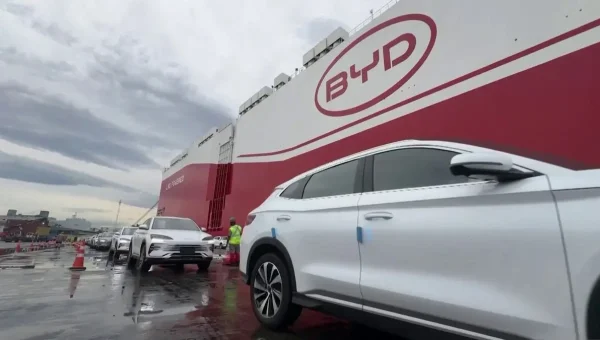
BYD offered discounts of 27.5% and 31.8% on its plug-in hybrid models in Germany during August. The company captured 10.7% of the market in July, taking fourth place. Discounts exceeded…
Mercedes, BMW, Volkswagen, and Porsche Sales Collapse 40% in China
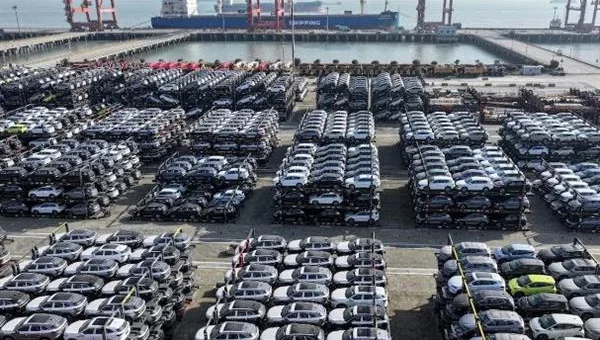
German automotive giants saw sales in China plunge between 30% and 40% during parts of this year, outpacing the overall market's 20% contraction. The development cycle gap — 18 months…
China Car Sales Set to Drop to 18.5 Million Units in 2026
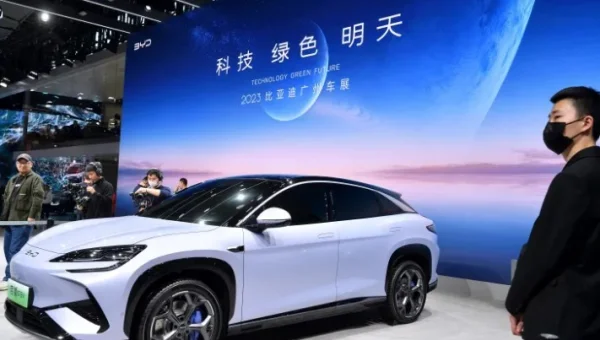
Passenger car sales in China are projected to drop to 18.5 million units in 2026, down from 23.7 million in 2025. Forecasts point to a limited 2% recovery in 2027…
Hyundai Hydrogen Sales Surpass 50,000 Units in Korea
Hyundai Motor's cumulative hydrogen fuel cell vehicle sales in South Korea have exceeded 50,262 units as of the end of September. The Nexo SUV, launched in 2018, accounts for the…

