

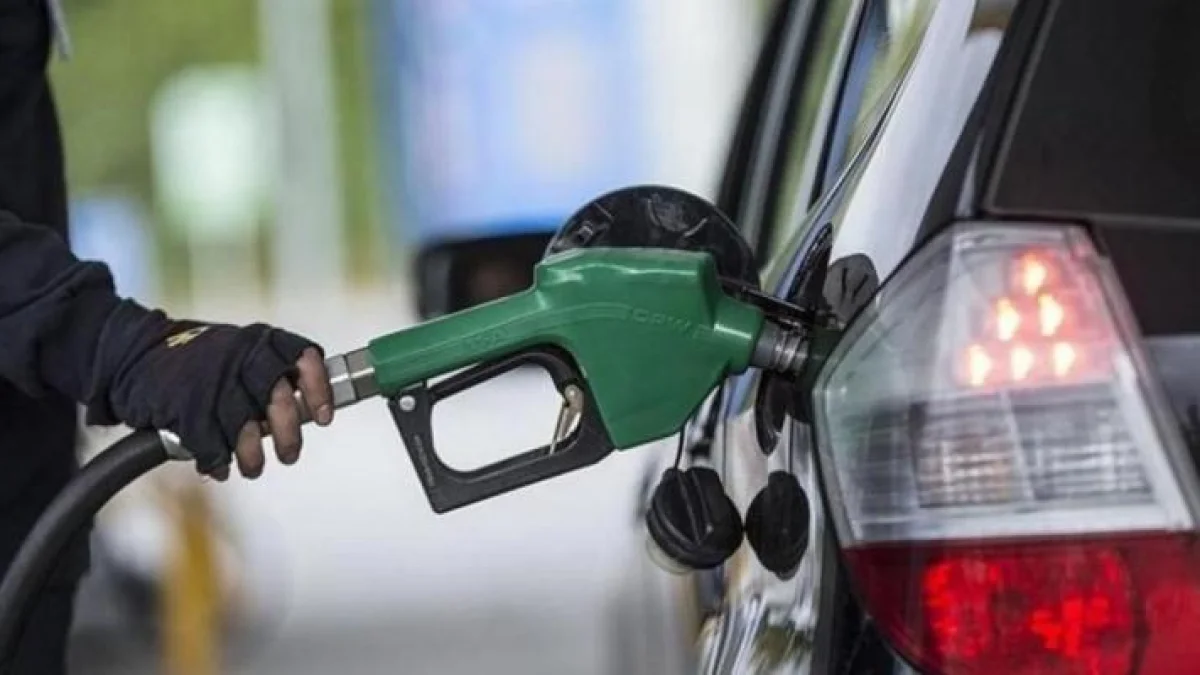
Fuel Prices in Germany Hit Records as Government Refuses Intervention
Fuel prices in Germany continue to break records throughout July, recording consecutive increases for eight straight days, intensifying pressure on drivers in Europe's largest economy. Despite this sharp surge, the German government has categorically announced it does not intend to introduce any new relief measures or subsidies for drivers at this time.
Government Rejects New Support Amid Rising Wave
German government spokesman Steffen Cornelius confirmed in official statements on Monday that all previous relief measures have ended and there are no plans to take any new actions. Cornelius attributed the current fuel price surge to geopolitical tensions, particularly the Iran war and its impact on navigation in the Strait of Hormuz, noting that these fluctuations will persist for some time and that citizens must learn to live with them, while the government continues to monitor the situation closely without intervention.
Latest Prices and Movements
According to data from the German Automobile Club, the average price per liter of "E10" gasoline across the country reached 2.152 euros on Sunday, while diesel averaged 2.177 euros per liter. Compared to prices just two weeks ago, E10 rose by 13.6 cents, and diesel jumped by 23.1 cents, reflecting the rapid pace of fuel price increases.
E10 is now just 4 cents below its highest level in recent years recorded around Easter, and about 5 cents away from its all-time record set in 2022. Diesel, however, remains far from its peak, with the average liter price across Germany reaching 2.447 euros on April 7.
Forecast of New Record Highs
The German Automobile Club suggests that the strong rise in oil prices since the beginning of the month is the main driver behind this escalating wave. The club warned that if this upward trend continues, E10 prices could soon surpass previous record levels, threatening to significantly increase transportation and mobility costs for millions of Germans.
Previous Fuel Discount and Exclusion of Return
The German government had previously applied a fuel price discount from the beginning of May until the end of June 2026, aiming to curb high prices. By the end of last month, this discount, along with a temporary easing of tensions in the Middle East, contributed to a temporary price drop, with diesel falling below 1.80 euros per liter. However, representatives from the government and the ruling coalition parties have already confirmed that there will be no reintroduction of the fuel discount, citing its high cost, which according to Finance Ministry estimates reached 1.7 billion euros.
Related News
View All News
Yttrium Crisis Hits Global Supply Chains, Threatens Auto and Aviation Industries as Japan and US Face Rare Earth Test
The yttrium crisis is escalating after China's rare earth export restrictions, threatening Japan's stockpiles within months. Yttrium oxide prices have reached $1,150 per kilogram outside China versus just $9 inside…
BYD Ignites German Price War with 32% Discount, Challenging Volkswagen and Mercedes
BYD offered discounts of 27.5% and 31.8% on its plug-in hybrid models in Germany during August. The company captured 10.7% of the market in July, taking fourth place. Discounts exceeded…
Mercedes, BMW, Volkswagen, and Porsche Sales Collapse 40% in China
German automotive giants saw sales in China plunge between 30% and 40% during parts of this year, outpacing the overall market's 20% contraction. The development cycle gap — 18 months…

China Car Sales Set to Drop to 18.5 Million Units in 2026
Passenger car sales in China are projected to drop to 18.5 million units in 2026, down from 23.7 million in 2025. Forecasts point to a limited 2% recovery in 2027…

Hyundai Hydrogen Sales Surpass 50,000 Units in Korea
Hyundai Motor's cumulative hydrogen fuel cell vehicle sales in South Korea have exceeded 50,262 units as of the end of September. The Nexo SUV, launched in 2018, accounts for the…

