

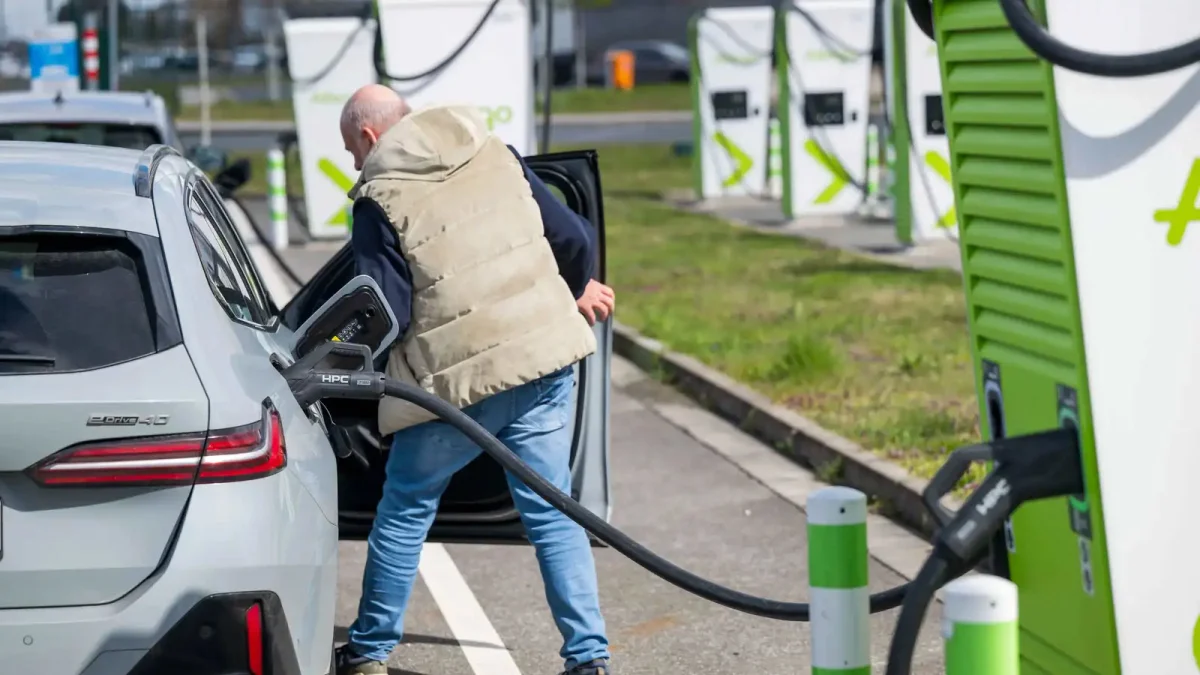
Europe Surprises the World: Electric Vehicles Achieve Record Leap
The European Union registered about 1.64 million fully electric vehicles in the first eight months of 2026, up 44.9% year-on-year. For the first time, EV sales overtook petrol car sales in Q2, with the EV share reaching 21.7% of total registrations. Fuel prices at €2.09 per liter for petrol and €2.23 for diesel pushed consumers toward electric alternatives. These numbers signal an accelerating shift in the European auto market that could soon go global.
The numbers are staggering. The European Union registered around 1.64 million fully electric vehicles in the first eight months of 2026, a 44.9% jump compared to the same period in 2025, pushing the EV share of total new registrations to 21.7% from 15.8% last year. The shift isn't slowing down.
Europe's EV Surge Defies Expectations
Despite soaring fuel prices and economic pressures, Europeans haven't turned their backs on Tesla and other electric brands. The latest figures show demand hitting record levels. The expected slowdown never materialized — instead, a wave of more diverse and affordable models is fueling the momentum. It's a game-changer for the global auto market.
Q2 2026: EVs Overtake Petrol for the First Time
In the second quarter of 2026, fully electric vehicles captured about 22% of the EU new car market. According to Transport & Environment data, EV sales surpassed petrol car sales in the EU during Q2 for the first time ever. That's a serious signal for the future of combustion engines. The momentum continued in August, with EV registrations jumping around 63% year-on-year, reaching a 27.7% share of new cars that month. This growth is no fluke.
Fuel Prices Accelerate the Shift
In the week starting September 21, the average petrol price in the EU hit about €2.09 per liter, while diesel averaged €2.23, according to European Commission data. These figures make running conventional cars increasingly painful for consumers. Add lower routine maintenance costs for EVs compared to combustion cars. Tesla and its rivals become fierce competitors in Europe. Are we witnessing the end of the petrol era on the old continent?
Global Impact and Other Markets
Europe's shift isn't isolated. Manufacturers like BMW and Mercedes are redrawing their EV strategies in response to this demand. Even in the Egyptian market, buyers are watching for affordable electric models, especially with brands like BYD offering tempting electric alternatives. The European numbers could be a preview of a global wave. But can Egypt's charging infrastructure handle such a transition?
The Near Future
With fuel prices staying high and EV variety expanding, observers expect Europe's electric share to exceed 30% by the end of 2026. The market is moving fast. If this pace holds, EVs could become the default choice in Europe before the decade ends. The road ahead is wide open.
Frequently Asked Questions
3 questions answered
Related News
View All News
Yttrium Crisis Hits Global Supply Chains, Threatens Auto and Aviation Industries as Japan and US Face Rare Earth Test
The yttrium crisis is escalating after China's rare earth export restrictions, threatening Japan's stockpiles within months. Yttrium oxide prices have reached $1,150 per kilogram outside China versus just $9 inside…
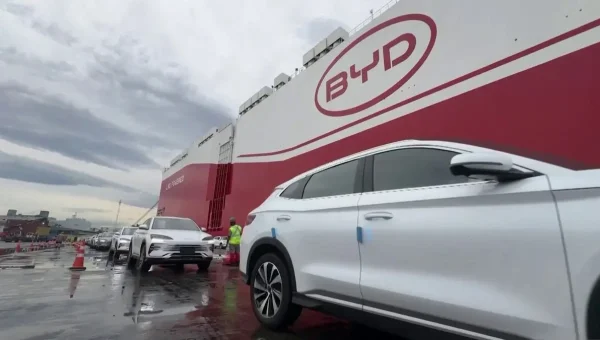
BYD Ignites German Price War with 32% Discount, Challenging Volkswagen and Mercedes
BYD offered discounts of 27.5% and 31.8% on its plug-in hybrid models in Germany during August. The company captured 10.7% of the market in July, taking fourth place. Discounts exceeded…
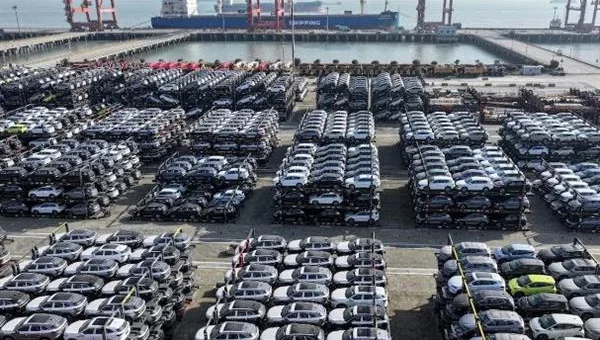
Mercedes, BMW, Volkswagen, and Porsche Sales Collapse 40% in China
German automotive giants saw sales in China plunge between 30% and 40% during parts of this year, outpacing the overall market's 20% contraction. The development cycle gap — 18 months…
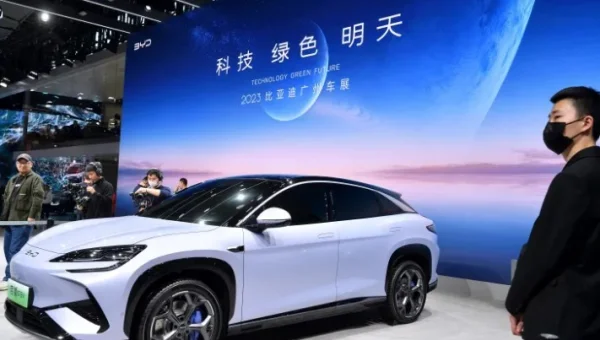
China Car Sales Set to Drop to 18.5 Million Units in 2026
Passenger car sales in China are projected to drop to 18.5 million units in 2026, down from 23.7 million in 2025. Forecasts point to a limited 2% recovery in 2027…
Hyundai Hydrogen Sales Surpass 50,000 Units in Korea
Hyundai Motor's cumulative hydrogen fuel cell vehicle sales in South Korea have exceeded 50,262 units as of the end of September. The Nexo SUV, launched in 2018, accounts for the…

