

Chinese Investments in Morocco Raise EU Concerns Over Backdoor Entry for EVs
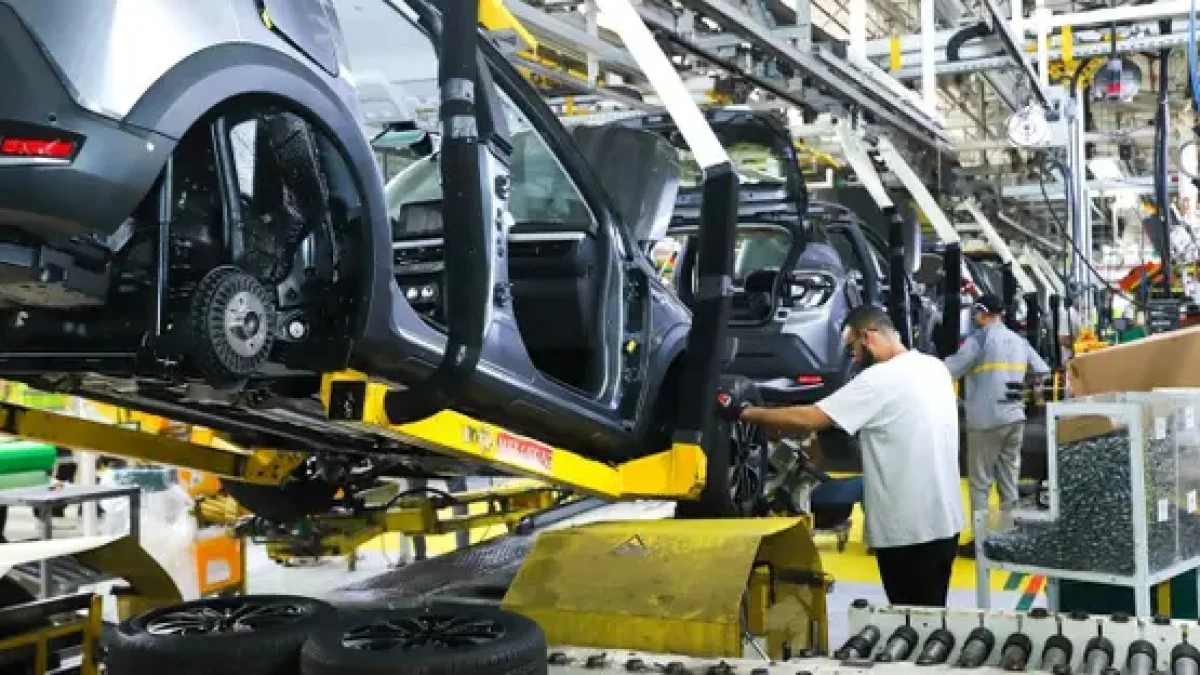
Chinese investments in the automotive components sector in Morocco have become a growing concern for the European Union, amid fears that the kingdom could turn into a manufacturing and export platform for Chinese products into Europe, potentially circumventing EU trade restrictions and increasing pressure on local industries.
A New Industrial City Attracting Chinese Firms
All eyes are on the Mohammed VI Tangier Tech industrial city, currently being developed on a 500-hectare site near Tangier, which is attracting a growing number of Chinese companies operating in the production of electric vehicle components—from braking systems to batteries. This expansion is considered one of China's largest industrial moves outside Asia. Brussels fears these multi-billion-dollar investments could serve as a backdoor for subsidized Chinese products to enter the European market through Morocco, bypassing tariffs and restrictions that the EU has imposed on direct imports from China.
European Warnings Over Chinese Overcapacity
EU Trade Commissioner Maroš Šefčovič stated that Chinese investments in Morocco reveal Beijing's attempts to address its industrial overcapacity by redirecting exports to Europe through trade partners, stressing that this issue has become a major challenge for the European economy. This matter is particularly significant as Morocco has emerged as one of the region's leading automotive manufacturing hubs, hosting major factories for Renault and Stellantis, which gives the kingdom a pivotal role within European supply chains and makes any protective measures more complicated.
For their part, Chinese companies view Morocco as an ideal manufacturing location due to its geographic position and extensive trade agreements with Europe. Cai Junjie, project manager for the Chinese company APG, stated that its new factory in Tangier, with investments worth $70 million, will rely on local Moroccan labor and materials combined with Chinese technology, helping reduce production and transportation costs while enhancing competitiveness within European markets.
Over $6 Billion in Investments Since the Pandemic
Data from the Rhodium Group indicates that announced Chinese investments in Morocco since the COVID-19 pandemic have exceeded $6 billion, including a $1.3 billion battery factory project by Gotion High-Tech in Kenitra, along with other investments in tires, batteries, and electric vehicle components. This massive industrial expansion reflects China's ambition to strengthen its presence in global markets through Morocco, as European governments are reassessing their trade and industrial policies to reduce reliance on Chinese imports and protect their domestic industries.
Related News
View All News
Yttrium Crisis Hits Global Supply Chains, Threatens Auto and Aviation Industries as Japan and US Face Rare Earth Test
The yttrium crisis is escalating after China's rare earth export restrictions, threatening Japan's stockpiles within months. Yttrium oxide prices have reached $1,150 per kilogram outside China versus just $9 inside…
BYD Ignites German Price War with 32% Discount, Challenging Volkswagen and Mercedes
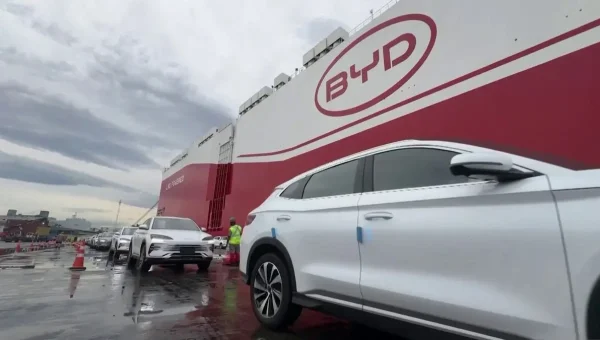
BYD offered discounts of 27.5% and 31.8% on its plug-in hybrid models in Germany during August. The company captured 10.7% of the market in July, taking fourth place. Discounts exceeded…
Mercedes, BMW, Volkswagen, and Porsche Sales Collapse 40% in China
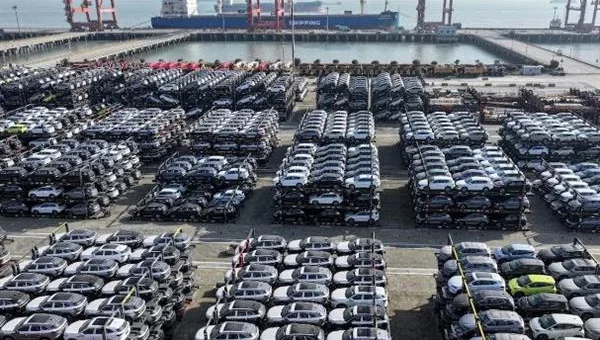
German automotive giants saw sales in China plunge between 30% and 40% during parts of this year, outpacing the overall market's 20% contraction. The development cycle gap — 18 months…
China Car Sales Set to Drop to 18.5 Million Units in 2026
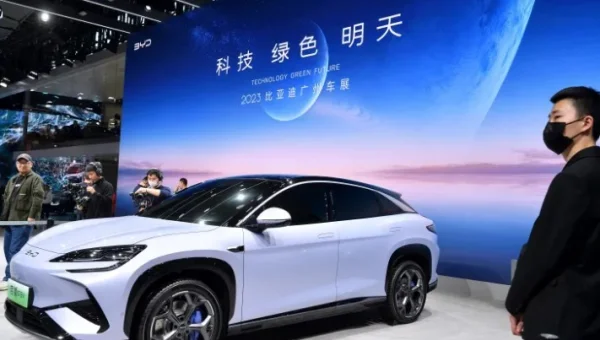
Passenger car sales in China are projected to drop to 18.5 million units in 2026, down from 23.7 million in 2025. Forecasts point to a limited 2% recovery in 2027…
Hyundai Hydrogen Sales Surpass 50,000 Units in Korea
Hyundai Motor's cumulative hydrogen fuel cell vehicle sales in South Korea have exceeded 50,262 units as of the end of September. The Nexo SUV, launched in 2018, accounts for the…

