

Chinese Cars Drive Unprecedented Growth in Middle East Markets
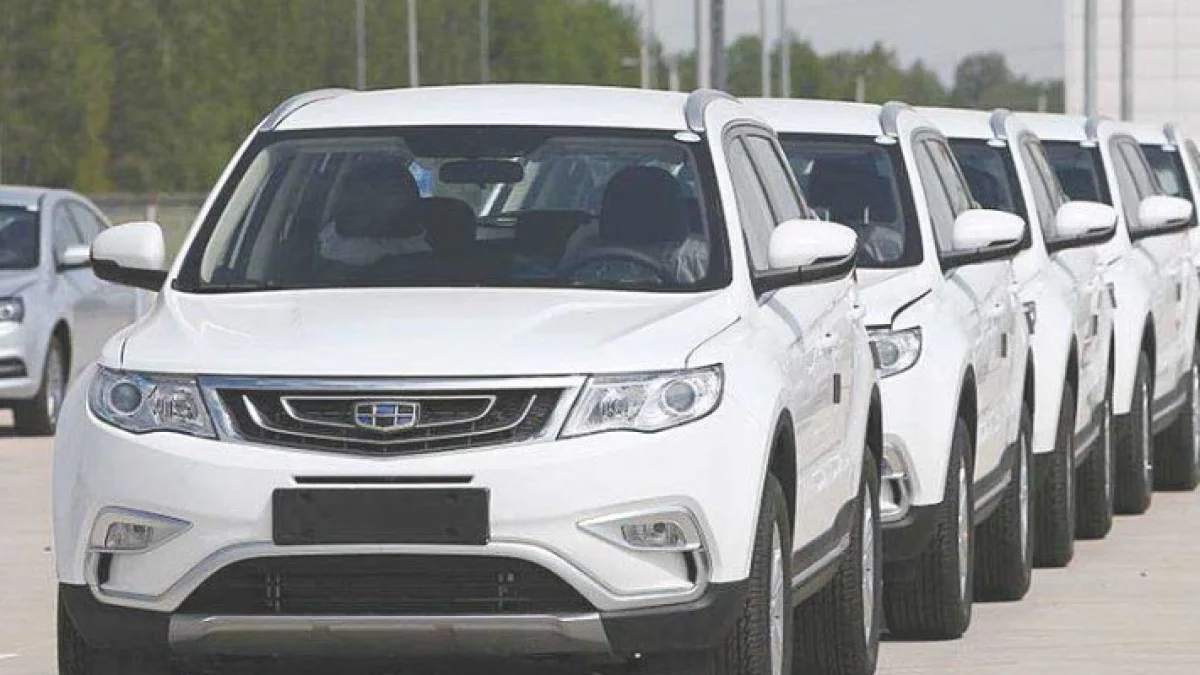
Chinese car brands are experiencing remarkable growth in Middle Eastern markets, becoming one of the fastest-growing automotive segments in the region, according to recent reports. Major companies such as BYD, Geely, and Changan, along with newcomers like Nio and Xiaopeng, are establishing comprehensive sales networks and robust after-sales services across the region. This expansion reflects a strategic shift in the global automotive industry, with China emerging as a key player in meeting regional market demands.
Record Import Figures: UAE and Algeria Lead the Way
Data from the China Automobile Dealers Association reveals impressive performance for Chinese cars in Middle Eastern markets. During the first five months of 2026, the UAE ranked eighth globally among the largest importers of Chinese cars, with a total of 129,054 vehicles. Meanwhile, Algeria ranked ninth with 109,575 vehicles, recording one of the largest global increases—a jump of 82,086 vehicles compared to the same period last year. These figures highlight the growing demand for Chinese vehicles in the region.
Kaiyi Auto: Gulf Expansion and Local Assembly in Egypt
Among the Chinese automakers accelerating their regional expansion, Kaiyi Auto has already entered five Gulf countries and plans to cover all GCC nations by the end of this year, with plans to open more than 25 showrooms. The company's strategy goes beyond distribution, focusing on adapting vehicles to the region's harsh climatic conditions by improving battery thermal management systems and air conditioning performance, using interior materials more resistant to high temperatures, and equipping vehicles with intelligent driving systems and smart cabins.
In a strategic move, Kaiyi Auto launched a vehicle assembly project in Egypt earlier this year, marking a shift from pure export to local manufacturing. The first locally assembled car is expected to hit the Egyptian market by November 2026, strengthening the company's regional presence and supporting its expansion plans.
From Export to Partnership: A Strategic Shift in Industrial Relations
Experts believe that cooperation between Chinese automakers and their Middle Eastern partners is gradually transitioning from traditional export-based trade relationships to deeper industrial partnerships. These partnerships include joint investments, technology transfer, and local manufacturing, supporting digital transformation and sustainable development in the region. With this momentum, Chinese cars are expected to play a pivotal role in shaping the future of the Middle Eastern automotive industry.
Related News
View All News
Yttrium Crisis Hits Global Supply Chains, Threatens Auto and Aviation Industries as Japan and US Face Rare Earth Test
The yttrium crisis is escalating after China's rare earth export restrictions, threatening Japan's stockpiles within months. Yttrium oxide prices have reached $1,150 per kilogram outside China versus just $9 inside…
BYD Ignites German Price War with 32% Discount, Challenging Volkswagen and Mercedes
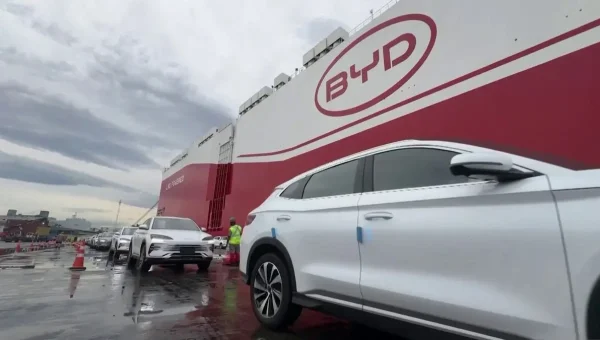
BYD offered discounts of 27.5% and 31.8% on its plug-in hybrid models in Germany during August. The company captured 10.7% of the market in July, taking fourth place. Discounts exceeded…
Mercedes, BMW, Volkswagen, and Porsche Sales Collapse 40% in China
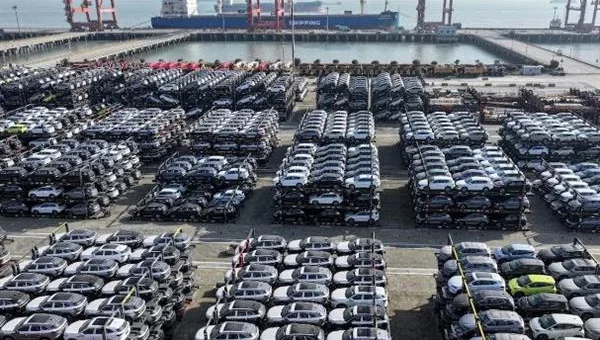
German automotive giants saw sales in China plunge between 30% and 40% during parts of this year, outpacing the overall market's 20% contraction. The development cycle gap — 18 months…
China Car Sales Set to Drop to 18.5 Million Units in 2026
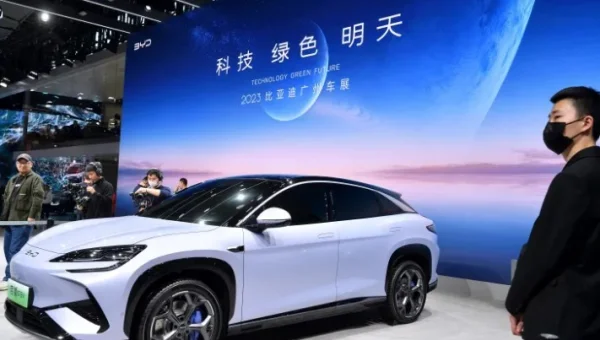
Passenger car sales in China are projected to drop to 18.5 million units in 2026, down from 23.7 million in 2025. Forecasts point to a limited 2% recovery in 2027…
Hyundai Hydrogen Sales Surpass 50,000 Units in Korea
Hyundai Motor's cumulative hydrogen fuel cell vehicle sales in South Korea have exceeded 50,262 units as of the end of September. The Nexo SUV, launched in 2018, accounts for the…

