

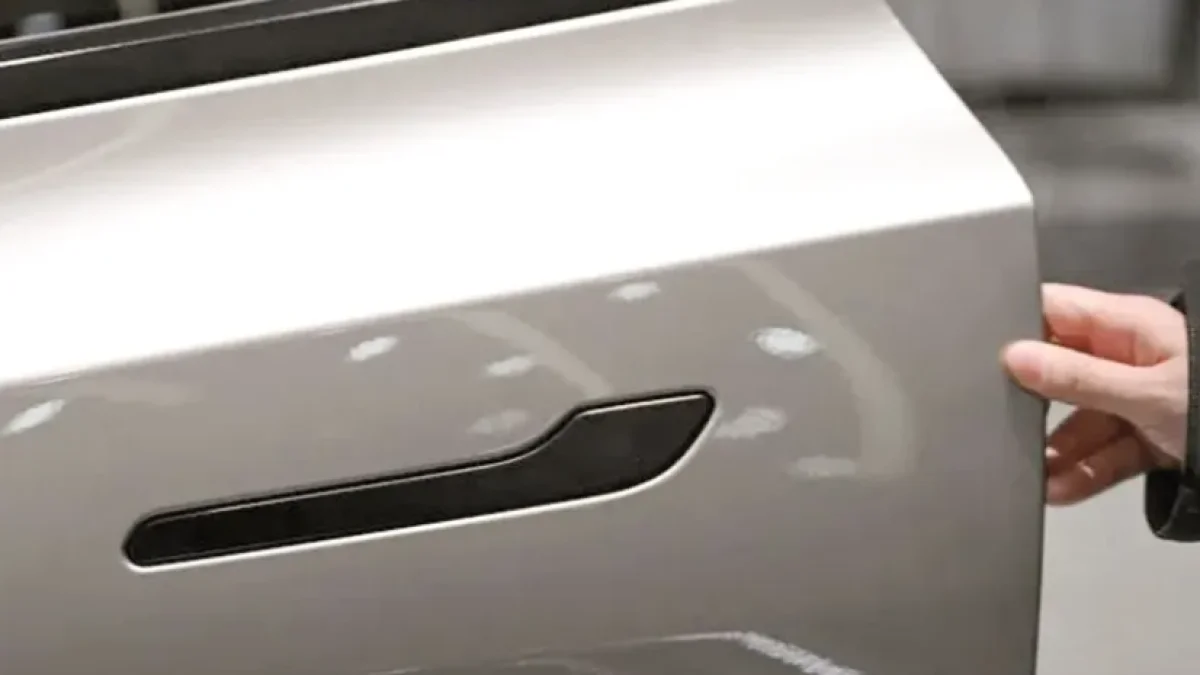
China Brings Buttons Back: New Rules End Hidden Handles and Folding Screens Era
China is imposing new design rules on vehicles, including a ban on fully hidden door handles and foldable or flexible screens. The rules require automakers to keep physical buttons and controls for safety-related functions like headlights, wipers, and emergency operations. A mandatory national standard issued in early 2026 requires mechanical door handles inside and outside, working even during power failure. This move could reshape electric vehicle designs in global markets, including Egypt.
China is moving to reshape electric and smart cars worldwide. The Ministry of Industry and Information Technology has proposed banning fully hidden door handles and prohibiting foldable and flexible screens, while mandating physical buttons and controls for safety-related functions. The decision could alter the design of millions of vehicles that rely entirely on virtual technology.
The End of Tesla and Electronic Handles?
Hidden handles that spread across Tesla and BYD vehicles to improve aerodynamics are now at risk. China issued a mandatory national standard in early 2026 requiring mechanical handles for opening doors from inside and outside. The new rules demand a mechanical way to open the door even if power fails or electronic systems malfunction, with enough space to use the handle manually in emergencies. Designs that rely solely on electronics will no longer be acceptable.
Safety Buttons Return to the Dashboard
Essential functions are coming back to physical buttons. Cars that depend on screens or virtual controls will be forced to keep physical controls for headlights, windshield wipers, defogging and de-icing, emergency functions, and cutting power to the drivetrain. Companies like Volkswagen and Hyundai have moved an increasing number of functions to the central screen in recent years. That trend is over.
No Foldable or Flexible Screens Inside Vehicles
The draft also proposes banning foldable and flexible screens inside vehicles. Large screens and complex display systems will face additional assessments related to driver distraction and safety in accidents and harsh weather. This decision puts the electric car industry before a real challenge. BMW and Mercedes have invested billions in developing massive curved displays. The new rules could force a complete redesign of these systems.
What Does This Mean for Global Automakers?
China is the world's largest electric vehicle market. Any new rule imposed by Beijing affects car designs sold in Europe, America, and Asia. Companies like Nissan, Kia, and Chery that rely on bold designs for their electric vehicles will have to rethink. The rules aren't finalized yet, but the direction is clear. Buttons are back. Mechanical handles are back. Folding screens are on their way out.
The Egyptian market may be affected too. Toyota prices, Hyundai, and BYD in Egypt are directly linked to Chinese designs. If rules change in Beijing, the cars arriving in Egypt will change within two or three years. Essential functions must always work. Even when the power goes out.
Frequently Asked Questions
3 questions answered
Related News
View All News
Yttrium Crisis Hits Global Supply Chains, Threatens Auto and Aviation Industries as Japan and US Face Rare Earth Test
The yttrium crisis is escalating after China's rare earth export restrictions, threatening Japan's stockpiles within months. Yttrium oxide prices have reached $1,150 per kilogram outside China versus just $9 inside…
BYD Ignites German Price War with 32% Discount, Challenging Volkswagen and Mercedes
BYD offered discounts of 27.5% and 31.8% on its plug-in hybrid models in Germany during August. The company captured 10.7% of the market in July, taking fourth place. Discounts exceeded…
Mercedes, BMW, Volkswagen, and Porsche Sales Collapse 40% in China
German automotive giants saw sales in China plunge between 30% and 40% during parts of this year, outpacing the overall market's 20% contraction. The development cycle gap — 18 months…
China Car Sales Set to Drop to 18.5 Million Units in 2026
Passenger car sales in China are projected to drop to 18.5 million units in 2026, down from 23.7 million in 2025. Forecasts point to a limited 2% recovery in 2027…
Hyundai Hydrogen Sales Surpass 50,000 Units in Korea
Hyundai Motor's cumulative hydrogen fuel cell vehicle sales in South Korea have exceeded 50,262 units as of the end of September. The Nexo SUV, launched in 2018, accounts for the…

