

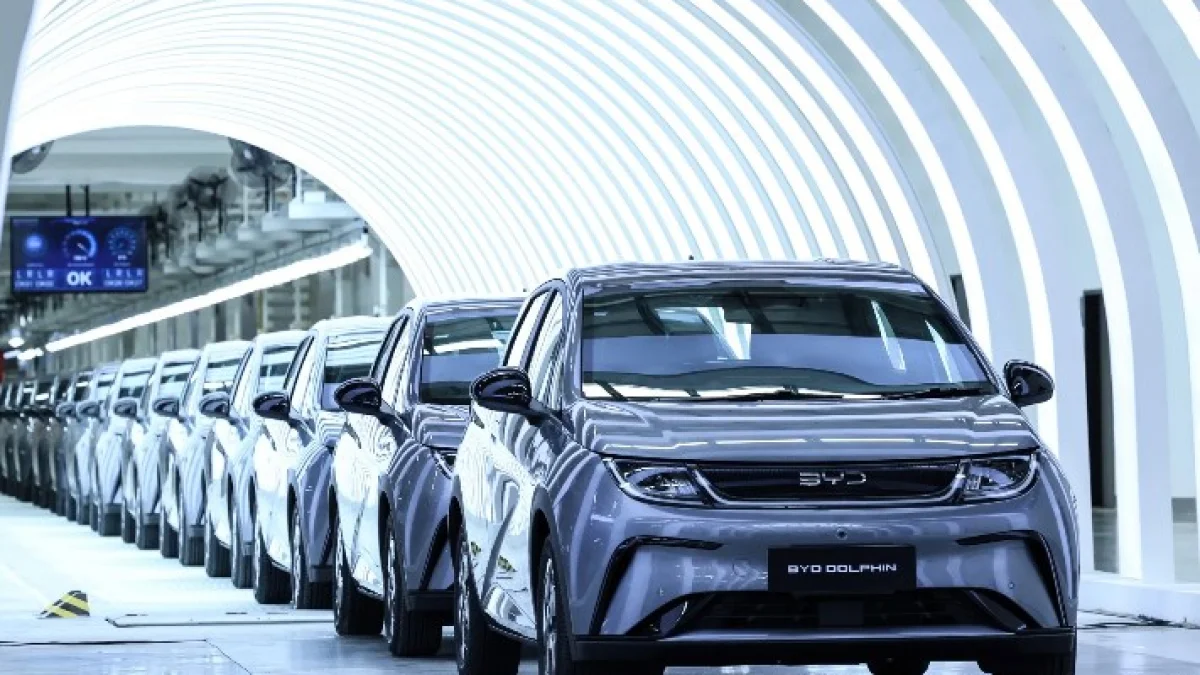
China Sets New Record: New Energy Vehicle Production Exceeds 1.65 Million Units in August
China's new energy vehicle production and sales exceeded 1.65 million and 1.64 million units respectively in August, up 20% year-on-year, according to the China Association of Automobile Manufacturers. NEVs captured 60.6% of total monthly vehicle sales, a new record. Vehicle exports reached 1.01 million units, up 65.3%, with NEV exports alone hitting 526,000 units. The structural shift toward electrification in China's export model is intensifying pressure on global competitors.
China's new energy vehicle production surpassed 1.65 million units in August, with sales hitting 1.64 million units — a new all-time high. The numbers are staggering. NEVs accounted for 60.6% of total monthly passenger vehicle sales in the Chinese market, cementing their dominance. The data comes from the China Association of Automobile Manufacturers.
20% Year-on-Year Growth Fueled by Government Subsidies
Production and sales of new energy vehicles jumped approximately 20% year-on-year. That growth didn't happen by accident. Chen Shihua, deputy secretary-general of the association, attributed the month-on-month momentum primarily to continued government subsidies for vehicle consumption — a policy lever that Western automakers can only watch from the sidelines. Total vehicle production in August reached 2.68 million units, while overall sales hit 2.71 million units.
Vehicle Exports Break the One-Million Mark for Third Consecutive Month
Chinese vehicle exports reached 1.01 million units in August, up 65.3% year-on-year — the third straight month above the million-unit threshold. New energy vehicle exports alone surged 1.3 times to 526,000 units. BYD and other domestic manufacturers are clearly driving this export wave.
From January through August, total vehicle exports hit 7.15 million units, a 66.7% increase year-on-year. Of that, 3.44 million were electric and hybrid vehicles — up 1.2 times. NEVs have made up more than half of China's total vehicle exports for three consecutive months. The structural shift is undeniable: China is opening global markets through the electrification path, not through traditional combustion engines. Toyota and Volkswagen are feeling the heat in every export market they once controlled.
This momentum puts Hyundai, Kia. European brands in a tough spot: price competition in emerging markets is increasingly tilting toward Chinese products. In Egypt, where EV and Chinese car imports are climbing, this could reshape pricing dynamics in the months ahead. Chery and Nissan are already adapting their strategies accordingly.
The data doesn't lie. 1.65 million units produced in a single month, a 60.6% domestic market share, and 526,000 NEV exports — these aren't seasonal blips. The global automotive market is being redrawn, and China holds the pen.
Frequently Asked Questions
3 questions answered
Related News
View All News
Yttrium Crisis Hits Global Supply Chains, Threatens Auto and Aviation Industries as Japan and US Face Rare Earth Test
The yttrium crisis is escalating after China's rare earth export restrictions, threatening Japan's stockpiles within months. Yttrium oxide prices have reached $1,150 per kilogram outside China versus just $9 inside…
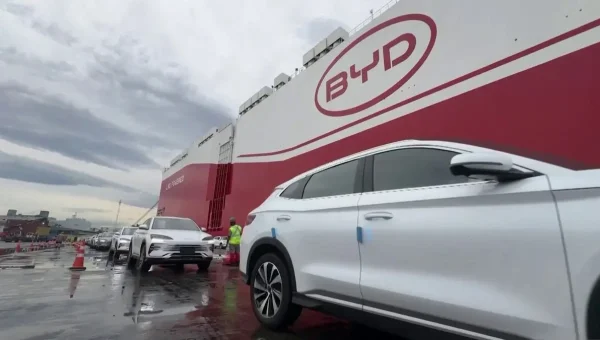
BYD Ignites German Price War with 32% Discount, Challenging Volkswagen and Mercedes
BYD offered discounts of 27.5% and 31.8% on its plug-in hybrid models in Germany during August. The company captured 10.7% of the market in July, taking fourth place. Discounts exceeded…
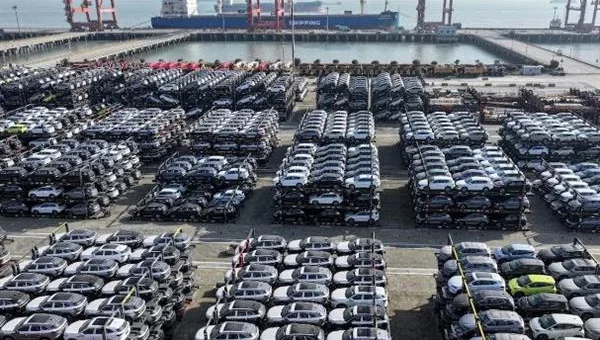
Mercedes, BMW, Volkswagen, and Porsche Sales Collapse 40% in China
German automotive giants saw sales in China plunge between 30% and 40% during parts of this year, outpacing the overall market's 20% contraction. The development cycle gap — 18 months…
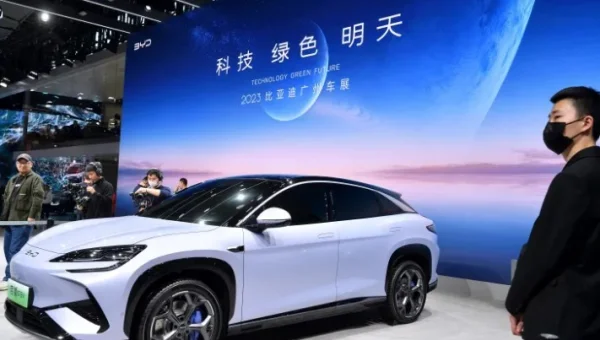
China Car Sales Set to Drop to 18.5 Million Units in 2026
Passenger car sales in China are projected to drop to 18.5 million units in 2026, down from 23.7 million in 2025. Forecasts point to a limited 2% recovery in 2027…
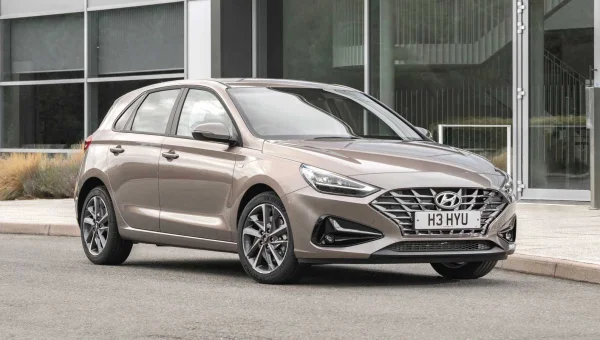
Hyundai Hydrogen Sales Surpass 50,000 Units in Korea
Hyundai Motor's cumulative hydrogen fuel cell vehicle sales in South Korea have exceeded 50,262 units as of the end of September. The Nexo SUV, launched in 2018, accounts for the…

