

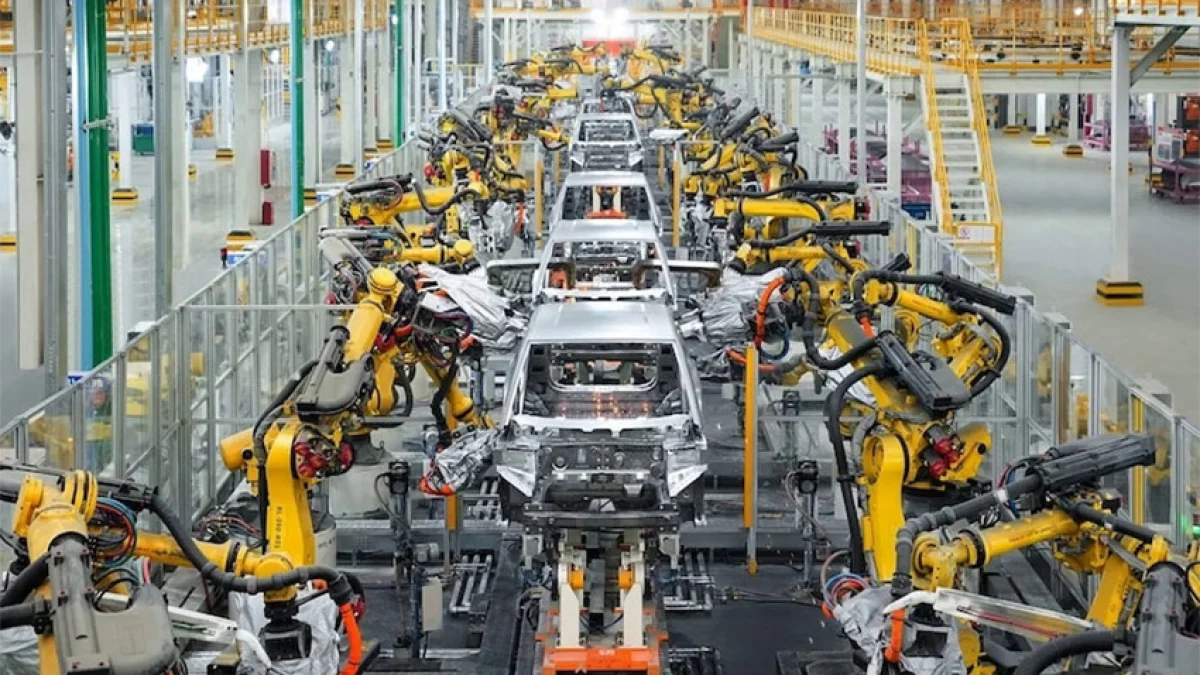
How China Became the Lifeline for European Carmakers Amid Production Crisis
The European auto industry faces a severe production crisis with rising costs and falling sales, leading it to seek solutions in China. German automaker Opel has partnered with China's Leapmotor to develop an electric C-SUV, aiming to reduce costs and accelerate development to under two years. Opel handles design and engineering while leveraging Chinese battery and platform technologies. This shift highlights a strategic move towards reliance on Chinese technology in the European automotive sector.
A deepening crisis is gripping the European auto industry, marked by soaring production costs, falling sales. Fierce competition in the electric vehicle market. In the midst of these conditions, China has transformed from a fierce rival into an essential partner and a lifeline for Europe's biggest carmakers. The numbers tell a story of a radical strategic shift in the old continent's approach.
Opel and Leapmotor Partnership: A Model of New Cooperation
The decision by German automaker Opel, part of Stellantis, to collaborate with Chinese company Leapmotor on developing a new electric C-SUV is one of the clearest signs of this shift. Opel aims to significantly cut development and production costs while accelerating the launch of models capable of strong competition in the European market. The gap in cost and time makes all the difference in the EV race.
Leveraging Advanced Chinese Technologies
The partnership is built around utilizing advanced Chinese platforms and technologies in electric vehicles and batteries, allowing Opel to shorten the development period for the new car to less than two years. This massive time reduction is a strategic advantage amid the global race for dominance in the growing EV market. Chinese technology has become a cornerstone of European survival plans.
Opel's teams in Rüsselsheim, Germany, will handle the design and engineering calibration, while the company leverages Chinese expertise in developing the entire electric vehicle system. This division of roles clearly reveals the growing European reliance on Chinese technology as a practical solution to ongoing industry challenges. The partnership sets a precedent in global automotive manufacturing.
Impact on the Future of the European Industry
This new collaboration reflects a strategic evolution in the philosophy of European companies. That once viewed China merely as a competitor but now see it as an indispensable partner in the production and development chain. While Europeans maintain their expertise in design and engineering, China takes charge of technology and mass production, representing a new division of labor in the automotive industry. The coming months will show how these partnerships reshape the global carmaking landscape.
Frequently Asked Questions
2 questions answered
Related News
View All News
Yttrium Crisis Hits Global Supply Chains, Threatens Auto and Aviation Industries as Japan and US Face Rare Earth Test
The yttrium crisis is escalating after China's rare earth export restrictions, threatening Japan's stockpiles within months. Yttrium oxide prices have reached $1,150 per kilogram outside China versus just $9 inside…
BYD Ignites German Price War with 32% Discount, Challenging Volkswagen and Mercedes
BYD offered discounts of 27.5% and 31.8% on its plug-in hybrid models in Germany during August. The company captured 10.7% of the market in July, taking fourth place. Discounts exceeded…
Mercedes, BMW, Volkswagen, and Porsche Sales Collapse 40% in China
German automotive giants saw sales in China plunge between 30% and 40% during parts of this year, outpacing the overall market's 20% contraction. The development cycle gap — 18 months…
China Car Sales Set to Drop to 18.5 Million Units in 2026
Passenger car sales in China are projected to drop to 18.5 million units in 2026, down from 23.7 million in 2025. Forecasts point to a limited 2% recovery in 2027…
Hyundai Hydrogen Sales Surpass 50,000 Units in Korea
Hyundai Motor's cumulative hydrogen fuel cell vehicle sales in South Korea have exceeded 50,262 units as of the end of September. The Nexo SUV, launched in 2018, accounts for the…

