

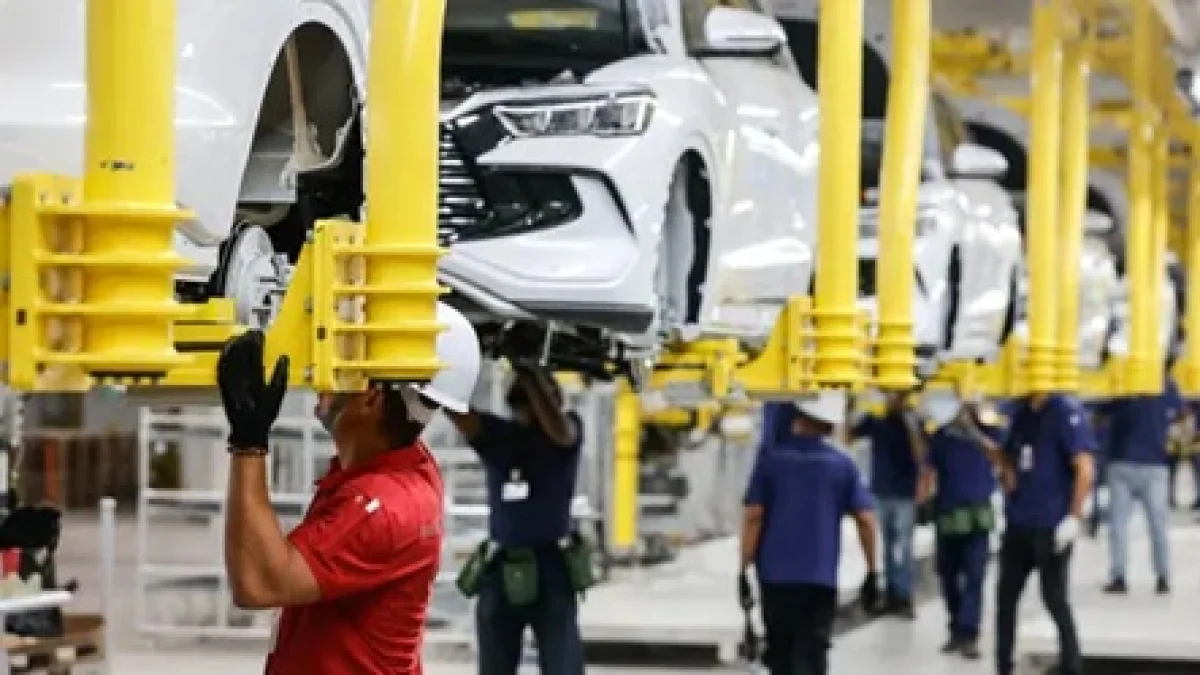
650 New Cars in 6 Months: How China Became the World's Fastest Automaker
In a development that is reshaping the global automotive industry, Chinese car manufacturers unveiled or updated nearly 650 models in the first six months of 2026 alone. This unprecedented number reflects the immense speed at which the world's largest auto market is now operating, raising serious questions about the ability of traditional competitors, particularly European and American automakers, to keep pace with this accelerated rhythm. While global automakers typically take years to develop a new model, China appears to be operating under an entirely different set of rules.
Unprecedented Numbers: Updated and New Cars Every Month
According to a report published by InsideEVs, based on data from the China Automotive Technology and Research Center (CATARC), this figure includes completely new vehicles, as well as facelifted versions and updates to existing models. This translates to the launch or update of approximately four cars every single day. Despite the staggering number, what is particularly notable is that China is not solely relying on updating existing models. It continues to introduce brand-new cars at an accelerating pace, with around 30 entirely new models being revealed each month—cars that had never been registered in the Chinese vehicle database before. This reflects an unprecedented acceleration in product development cycles compared to what Western markets are accustomed to.
Why Can China Move at This Speed?
Analysts believe that the secret lies not just in the number of manufacturers, but in the very process of car development itself. Chinese companies are increasingly relying on shared platforms, digital development, artificial intelligence, and fully integrated local supply chains, significantly reducing the time needed to move from the design phase to commercial production. Furthermore, fierce competition within the domestic market forces companies to introduce rapid updates to maintain consumer interest, especially in the electric vehicle segment, which is witnessing an intense race over technology and pricing. Bloomberg reports, cited by InsideEVs, indicated that this fast-paced model has become a key reason for the success of Chinese companies in recent years.
In contrast, most European and American automakers still rely on development cycles that often span between three and five years before launching a new generation of a vehicle, with limited updates during the model's lifespan. Experts believe that this time gap gives Chinese companies a massive competitive advantage, particularly as demand for traditional vehicles declines and the shift toward electrification accelerates.
Chinese Industry Puts Western Automakers in a Difficult Position
These numbers indicate that the global automotive industry is undergoing a radical transformation, where speed is no longer just an added advantage but has become a fundamental requirement for survival in the market. Chinese companies have proven their ability to produce and update vehicles at a pace that surpasses any competitor. This puts Western brands under unprecedented pressure: either completely restructure their operations to accelerate development cycles, or risk losing their market share to Chinese manufacturers who show no signs of slowing down.
Related News
View All News
Yttrium Crisis Hits Global Supply Chains, Threatens Auto and Aviation Industries as Japan and US Face Rare Earth Test
The yttrium crisis is escalating after China's rare earth export restrictions, threatening Japan's stockpiles within months. Yttrium oxide prices have reached $1,150 per kilogram outside China versus just $9 inside…
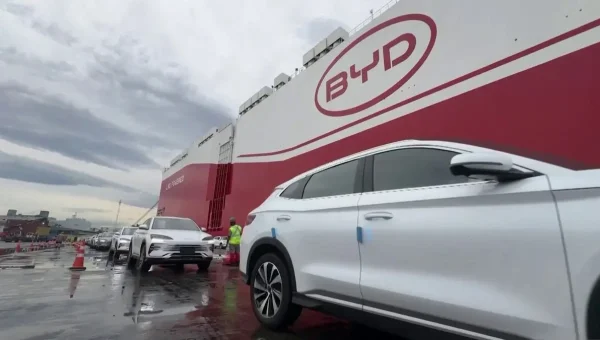
BYD Ignites German Price War with 32% Discount, Challenging Volkswagen and Mercedes
BYD offered discounts of 27.5% and 31.8% on its plug-in hybrid models in Germany during August. The company captured 10.7% of the market in July, taking fourth place. Discounts exceeded…
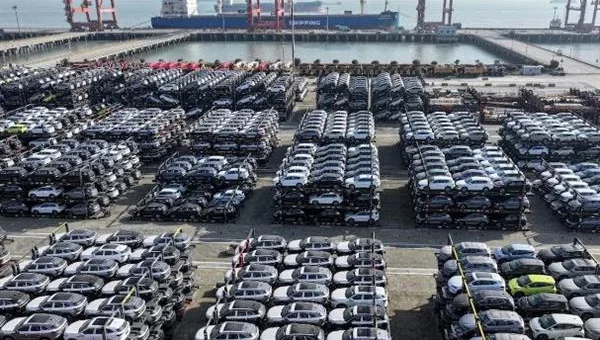
Mercedes, BMW, Volkswagen, and Porsche Sales Collapse 40% in China
German automotive giants saw sales in China plunge between 30% and 40% during parts of this year, outpacing the overall market's 20% contraction. The development cycle gap — 18 months…
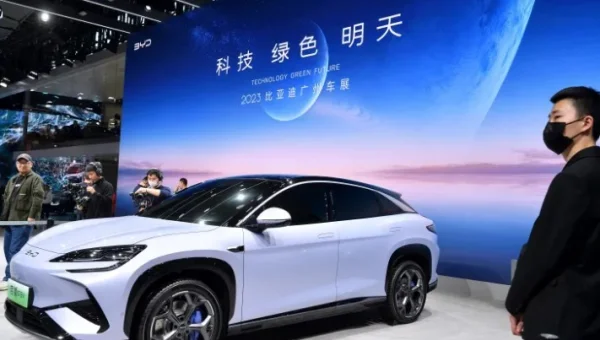
China Car Sales Set to Drop to 18.5 Million Units in 2026
Passenger car sales in China are projected to drop to 18.5 million units in 2026, down from 23.7 million in 2025. Forecasts point to a limited 2% recovery in 2027…
Hyundai Hydrogen Sales Surpass 50,000 Units in Korea
Hyundai Motor's cumulative hydrogen fuel cell vehicle sales in South Korea have exceeded 50,262 units as of the end of September. The Nexo SUV, launched in 2018, accounts for the…

