

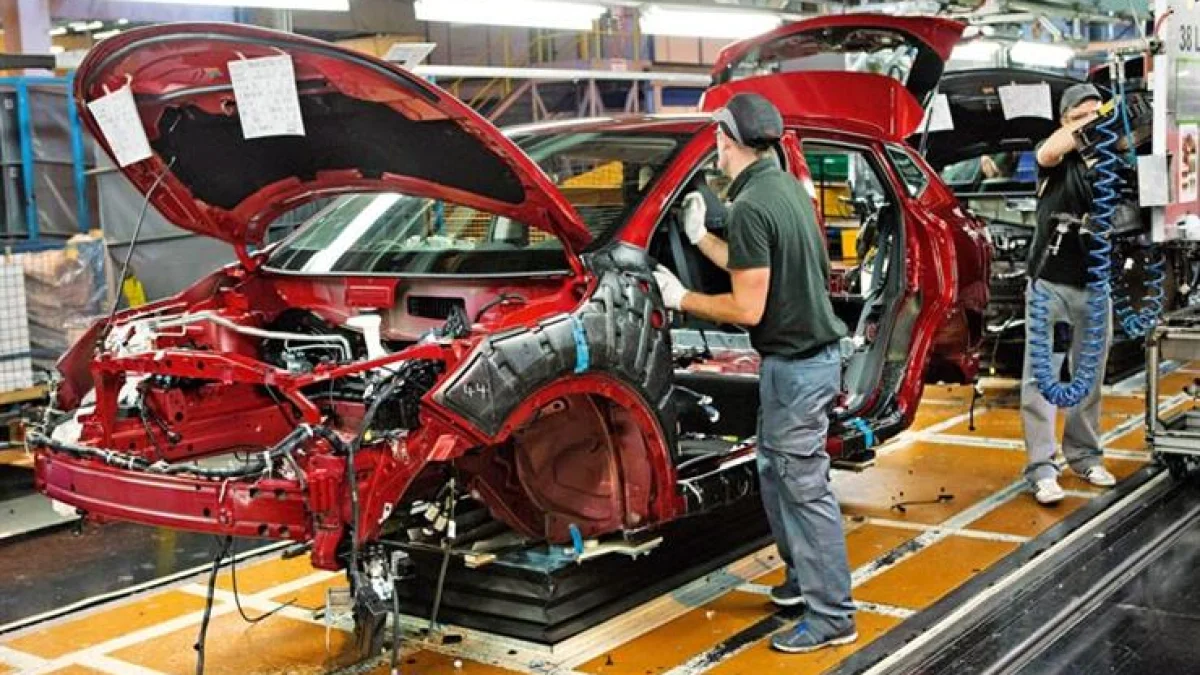
China Deepens Grip on European Auto Industry Through Parts Supplier Acquisitions
Chinese companies continue expanding their influence within the European automotive industry by acquiring over 130 local parts manufacturing firms, most concentrated in Germany and France. Rhodium Group data shows Geely acquired Volvo for $1.8 billion, reflecting Beijing's broader expansion strategy. These moves have raised EU officials' concerns about reshaping the continent's parts supply industry in favor of Chinese companies.
Over 130 European auto parts manufacturers now fall within the scope of Chinese investment, according to the London-based Rhodium Group consultancy. The Chinese push goes far beyond exporting finished vehicles to European showrooms — it strikes at the industry's core through acquisitions of local suppliers concentrated in Germany and France.
Beijing's Strategy Inside Europe's Industrial Heartland
These moves have sparked serious concern among European Union officials. Export growth of Chinese cars into the EU market is one thing, but the prospect of reshaping the continent's entire parts industry in favor of Chinese companies is another matter entirely.
German and French production hubs form the backbone of Europe's automotive sector. Rhodium's data reveals a deliberate strategy aimed at expanding well beyond domestic borders.
Geely-Volvo Deal Sets the Pattern
Chinese Geely acquired Swedish Volvo for $1.8 billion in a landmark deal that mirrors Beijing's broader push into European markets. The transition from mere supplier to full owner of heritage brands could not be clearer.
The acquisitions have not stopped at famous marques. Chinese influence extends through direct investment in specialized suppliers of critical components. Batteries and energy systems top the target list. Europe now faces an existential challenge on its home turf.
Nor does this end with the current landscape. Chinese firms continue cementing their presence in the European supply chain through smaller yet more numerous deals targeting financially strained local businesses. The pressing question now revolves around the EU's ability to shield its domestic manufacturers from rising acquisition momentum.
Frequently Asked Questions
2 questions answered
Related News
View All News
Yttrium Crisis Hits Global Supply Chains, Threatens Auto and Aviation Industries as Japan and US Face Rare Earth Test
The yttrium crisis is escalating after China's rare earth export restrictions, threatening Japan's stockpiles within months. Yttrium oxide prices have reached $1,150 per kilogram outside China versus just $9 inside…
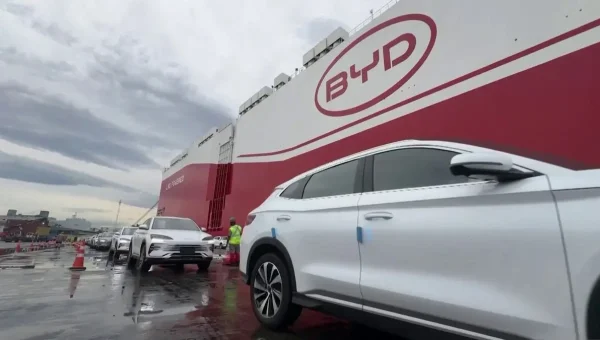
BYD Ignites German Price War with 32% Discount, Challenging Volkswagen and Mercedes
BYD offered discounts of 27.5% and 31.8% on its plug-in hybrid models in Germany during August. The company captured 10.7% of the market in July, taking fourth place. Discounts exceeded…
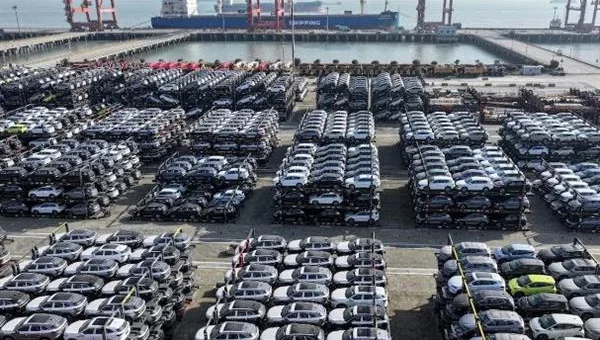
Mercedes, BMW, Volkswagen, and Porsche Sales Collapse 40% in China
German automotive giants saw sales in China plunge between 30% and 40% during parts of this year, outpacing the overall market's 20% contraction. The development cycle gap — 18 months…
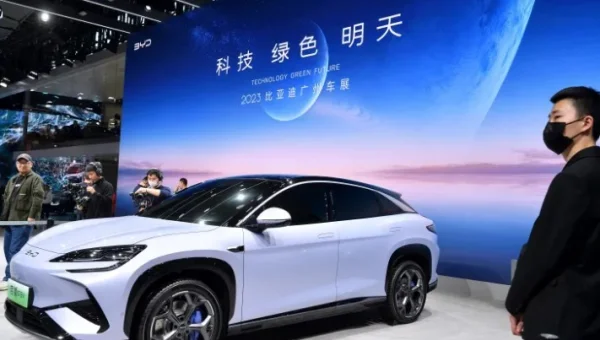
China Car Sales Set to Drop to 18.5 Million Units in 2026
Passenger car sales in China are projected to drop to 18.5 million units in 2026, down from 23.7 million in 2025. Forecasts point to a limited 2% recovery in 2027…
Hyundai Hydrogen Sales Surpass 50,000 Units in Korea
Hyundai Motor's cumulative hydrogen fuel cell vehicle sales in South Korea have exceeded 50,262 units as of the end of September. The Nexo SUV, launched in 2018, accounts for the…

