

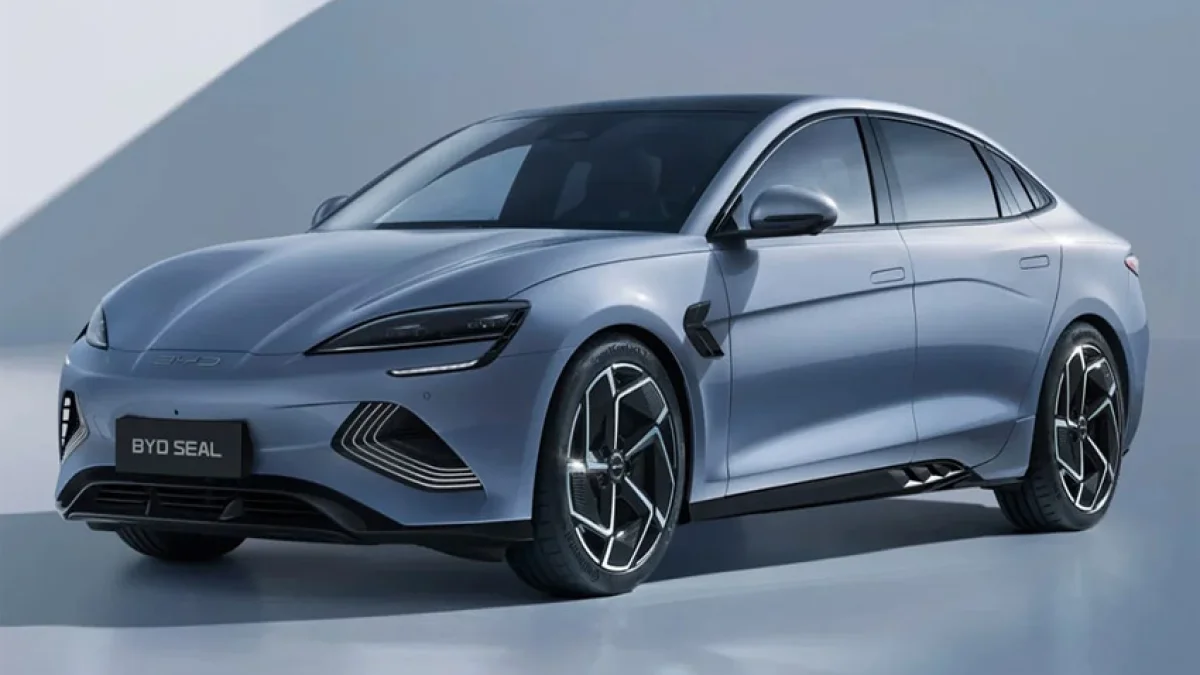
BYD Faces Mysterious US Test: Pentagon List Casts Shadow Over Chinese Giant's Expansion
The US Department of Defense has added BYD to its list of companies it claims have ties to the Chinese military. The listing does not impose immediate sanctions, but it warns American institutions against dealing with the company. This step could increase pressure on BYD's expansion plans in Western markets and open the door to new complications in global competition. The Chinese company, which has established itself among the world's leading EV makers, now faces more complex political and economic calculations.
The US Department of Defense has added China's BYD to its list of companies it claims have ties to the Chinese military. No immediate sanctions follow. But the move places the electric vehicle giant under fresh scrutiny in the American market and forces institutions to recalculate their dealings with the company.
What Does the List Actually Mean for BYD?
Inclusion on the list isn't a direct ban. It's a clear warning to American institutions about engaging with listed companies. That warning could impact BYD's future expansion prospects in Western markets and complicate any potential partnership or investment with US entities.
The Chinese company built its presence on cost competitiveness and technology. It has become a major player in the global EV sector. But this rapid rise has made it a target for national security concerns. That intensify as Washington-Beijing tensions grow.
Mounting Pressure on Expansion Plans
BYD's plans to expand in North America now face more complicated calculations. The list could push potential partners to hesitate and increase sensitivity around commercial and investment dealings with the listed company. The result? A tougher business environment without an official ban.
What happened reminds us that competition in the electric vehicle market is no longer just about batteries and range. It's a political and economic game. Chinese companies are learning this lesson quickly, and BYD sits at the heart of this shift.
Global Competition Heats Up
Amid a accelerating race for technology and markets, the question remains: can BYD pass this new test? The list alone won't stop the company. But it raises the cost of expansion and puts its future plans under the American microscope. BYD isn't the first Chinese company to face this situation, and it won't be the last.
The real battle isn't in the lists. It's in the company's ability to maintain its global momentum despite political pressure. That is a harder test than any technological competition.
Frequently Asked Questions
3 questions answered
Related News
View All News
Yttrium Crisis Hits Global Supply Chains, Threatens Auto and Aviation Industries as Japan and US Face Rare Earth Test
The yttrium crisis is escalating after China's rare earth export restrictions, threatening Japan's stockpiles within months. Yttrium oxide prices have reached $1,150 per kilogram outside China versus just $9 inside…
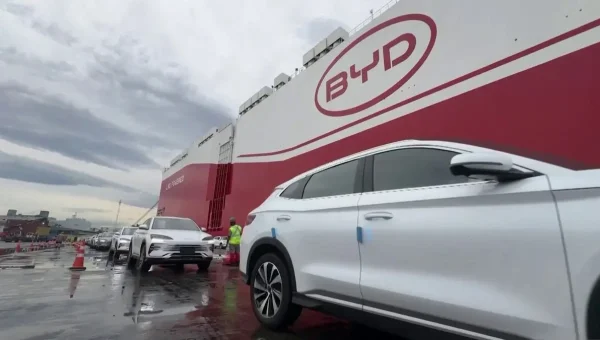
BYD Ignites German Price War with 32% Discount, Challenging Volkswagen and Mercedes
BYD offered discounts of 27.5% and 31.8% on its plug-in hybrid models in Germany during August. The company captured 10.7% of the market in July, taking fourth place. Discounts exceeded…
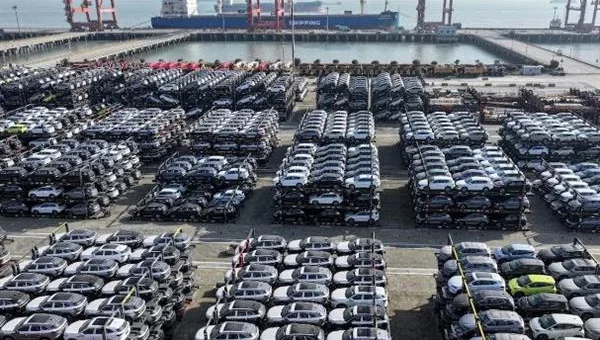
Mercedes, BMW, Volkswagen, and Porsche Sales Collapse 40% in China
German automotive giants saw sales in China plunge between 30% and 40% during parts of this year, outpacing the overall market's 20% contraction. The development cycle gap — 18 months…
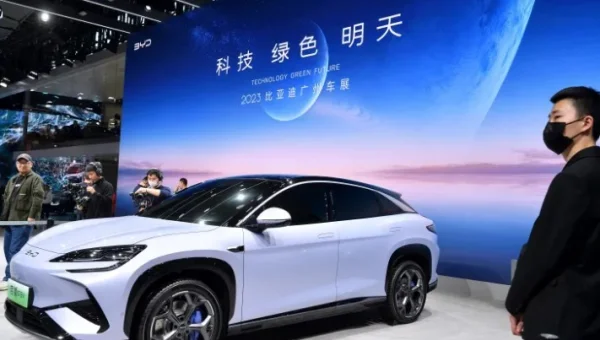
China Car Sales Set to Drop to 18.5 Million Units in 2026
Passenger car sales in China are projected to drop to 18.5 million units in 2026, down from 23.7 million in 2025. Forecasts point to a limited 2% recovery in 2027…
Hyundai Hydrogen Sales Surpass 50,000 Units in Korea
Hyundai Motor's cumulative hydrogen fuel cell vehicle sales in South Korea have exceeded 50,262 units as of the end of September. The Nexo SUV, launched in 2018, accounts for the…

