

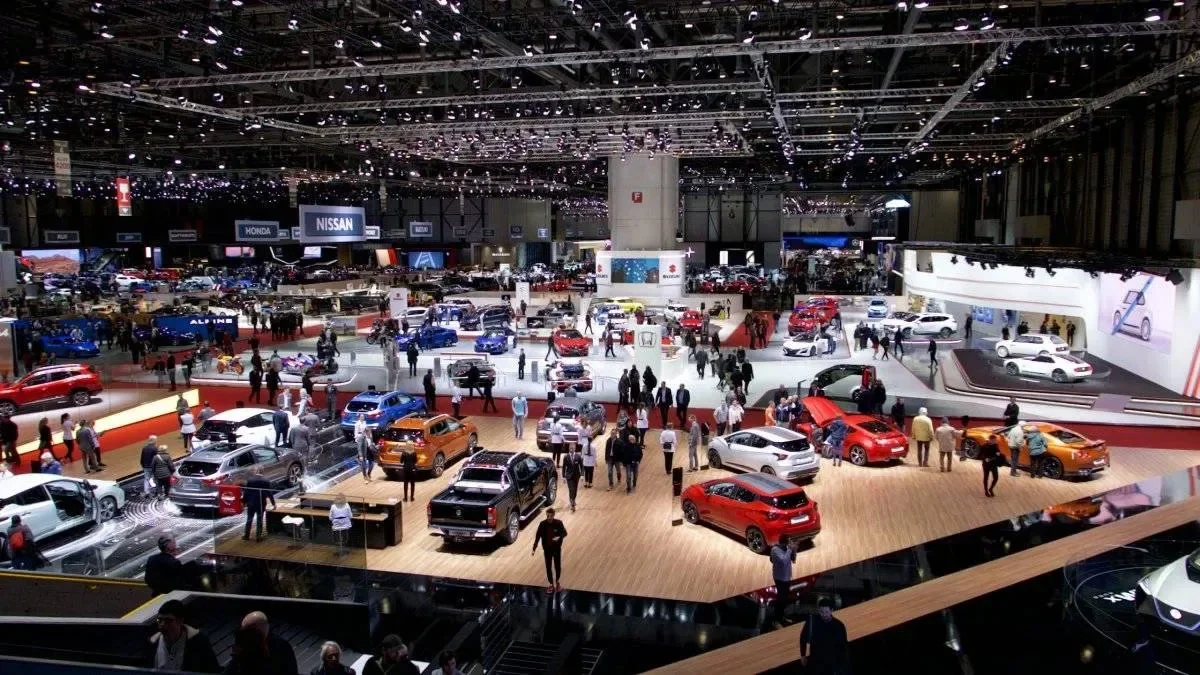
20 Chinese Brands Storm Paris 2026 to Challenge European Giants on Tech and Price
Around 20 Chinese brands are attending the 2026 Paris Motor Show, double their number at the 2024 edition, mounting direct competition against established European automakers. Names like BYD, Geely, and Chery are no longer limiting themselves to EVs, expanding into hybrids, luxury models, and city cars. The goal is to cement a presence in one of the world's most important auto markets amid intensifying competition at home. The show confirmed a shift from brand introduction to real competition on technology, price, and design.
The number is striking. Around 20 Chinese brands are attending the 2026 Paris Motor Show — double their count at the 2024 edition — turning the event into a direct assault on Europe's established automakers. The market is shifting.
BYD and Geely Rewrite the Rules in Paris
Chinese presence at European auto shows is no longer about introducing new brand names; it has become direct competition with legacy manufacturers on technology, price, and design. Chery and Changan now stand face-to-face with European giants. The fight is on.
The growing Chinese participation reflects a strategic shift: these companies no longer rely solely on competitively priced EVs but are expanding their lineups to include hybrids, luxury models, and city cars, targeting different segments of European buyers. The strategy is widening.
From Compact to Luxury: A Full-Segment Attack
The show features established names like BYD, Geely, and Chery, alongside brands seeking a stronger foothold in Europe such as Li Auto, Aito, Changan, Zeekr, XPeng, and Leapmotor. Geely is no longer an unknown in Europe. The push is real.
This expansion isn't just about adding more models; it reflects the Chinese companies' drive to cement their presence in one of the world's most important automotive markets, especially as competition intensifies in China itself and pressure grows to find growth opportunities abroad. BYD needs new markets. Expansion is essential.
These companies are betting on combining modern technology, advanced equipment, and attractive designs with diverse powertrain options, rather than relying on fully electric vehicles alone. Chery prices and Changan prices will become more competitive in Europe. The equation is changing.
The Chinese models on display show that competition is no longer confined to one segment: some companies focus on compact cars suited to European city streets, while others offer large SUVs and luxury models aimed at buyers seeking higher performance and equipment levels. Changan targets the city, BYD raises the luxury bar. Every segment is open.
Frequently Asked Questions
3 questions answered
Related News
View All News
Yttrium Crisis Hits Global Supply Chains, Threatens Auto and Aviation Industries as Japan and US Face Rare Earth Test
The yttrium crisis is escalating after China's rare earth export restrictions, threatening Japan's stockpiles within months. Yttrium oxide prices have reached $1,150 per kilogram outside China versus just $9 inside…
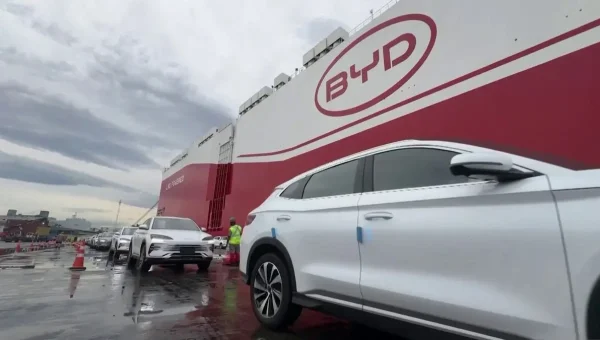
BYD Ignites German Price War with 32% Discount, Challenging Volkswagen and Mercedes
BYD offered discounts of 27.5% and 31.8% on its plug-in hybrid models in Germany during August. The company captured 10.7% of the market in July, taking fourth place. Discounts exceeded…
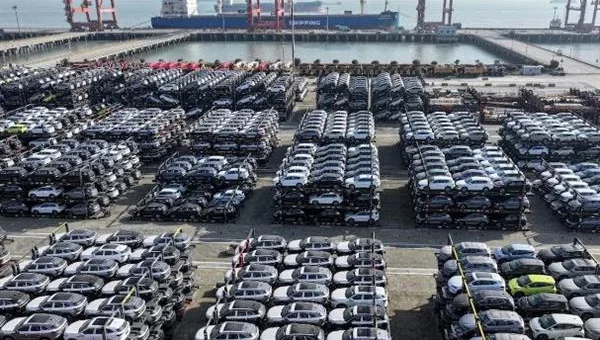
Mercedes, BMW, Volkswagen, and Porsche Sales Collapse 40% in China
German automotive giants saw sales in China plunge between 30% and 40% during parts of this year, outpacing the overall market's 20% contraction. The development cycle gap — 18 months…
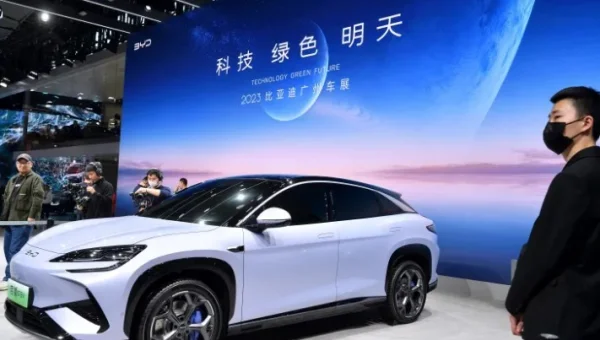
China Car Sales Set to Drop to 18.5 Million Units in 2026
Passenger car sales in China are projected to drop to 18.5 million units in 2026, down from 23.7 million in 2025. Forecasts point to a limited 2% recovery in 2027…
Hyundai Hydrogen Sales Surpass 50,000 Units in Korea
Hyundai Motor's cumulative hydrogen fuel cell vehicle sales in South Korea have exceeded 50,262 units as of the end of September. The Nexo SUV, launched in 2018, accounts for the…

