

European Safety Body Urges EU to Reject Tesla FSD Over Speed Limit Override
The European Transport Safety Council (ETSC) has called on EU member states to reject Tesla's Full Self-Driving (FSD) supervised system. The key objection is a speed margin function that lets vehicles exceed posted limits by up to 50%. National approvals from the Netherlands, Belgium, and others did not cover this function, setting up a regulatory clash over compliance with European safety rules.
The European Transport Safety Council (ETSC) has formally urged EU member states to reject the approval of Tesla's Full Self-Driving (FSD) supervised system, citing concerns over a speed margin function that allows vehicles to exceed posted limits by up to 50%. The move threatens the automaker's expansion plans across Europe.
What exactly is the speed margin function?
It isn't a minor setting. The system detects the legal speed limit then enables the driver to increase it by as much as half again. A 60 km/h zone becomes 90 km/h with no driver intervention beyond activation. The ETSC argues this directly conflicts with European safety rules. Tesla Model Y owners in Europe currently use FSD under national approvals, but the speed margin was never part of those exemptions. Tesla has not applied for a UNECE exemption to permit exceeding posted limits.
National approvals fuel regulatory battle
The Dutch regulator RDW approved FSD in April, followed by Belgium and a handful of other countries. But the ETSC insists the speed margin function was outside the scope of those exemptions. Sweden, France, and the Czech Republic have all raised public concerns. The core question: who decides what is safe on European roads? National authorities or Brussels?
Is FSD truly self-driving or just driver assistance?
FSD controls speed and steering, but the driver must stay alert and ready to intervene. That places it in the driver-assistance category, not full autonomy. The distinction matters legally. Driver-assistance systems don't receive the same regulatory exemptions as fully autonomous vehicles under EU law. Tesla's push for national approvals may ultimately crash against a unified European rejection.
The broader implications for Tesla in Europe
The ETSC also wants regulators to reject a second feature that adjusts vehicle speed to surrounding traffic flow. That sounds reasonable, yet its interaction with legal speed limits remains unclear. As the regulatory pressure mounts, Tesla faces a tough fight. The company wants to expand Model Y FSD availability across the continent, but the road ahead is getting rougher. This battle could drag on for months.
Frequently Asked Questions
3 questions answered
Related News
View All News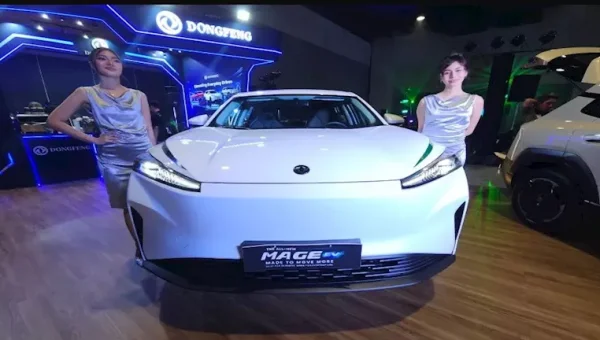
Dongfeng Mage Electric Set for Egyptian Debut on October 31
The Dongfeng Mage electric SUV will launch in its locally assembled Egyptian form on October 31, built at El Nasr Automotive's factory. It uses a 161 hp front-mounted electric motor…
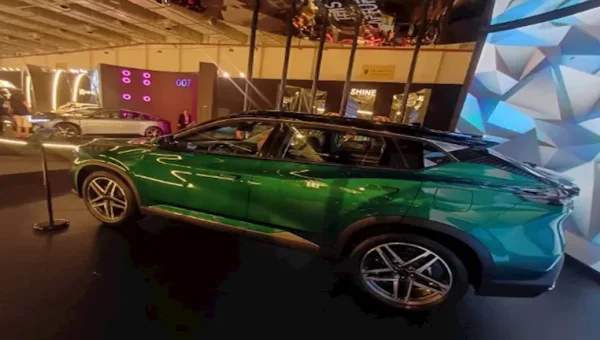
Dongfeng Mage EV: Egypt's First Locally Assembled Electric Car Before Official Launch
SN Automotive and Al Nasr Automotive are set to unveil the Dongfeng Mage EV, Egypt's first locally assembled electric car, on October 31. The compact SUV features a 120 kW…
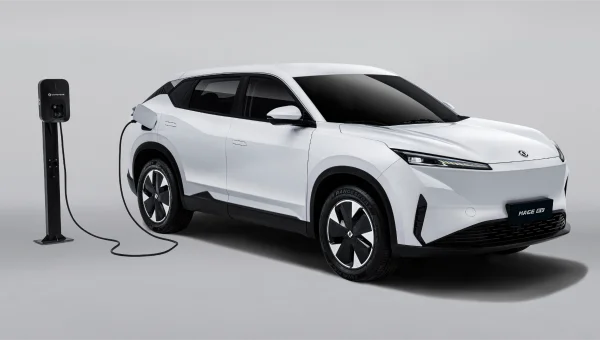
Dongfeng Mage EV Set to Launch from El Nasr Plant on October 31
SN Automotive has set October 31 as the official reveal date for the Dongfeng Mage EV, the first electric vehicle to be manufactured at Egypt's El Nasr Automotive plant. The…
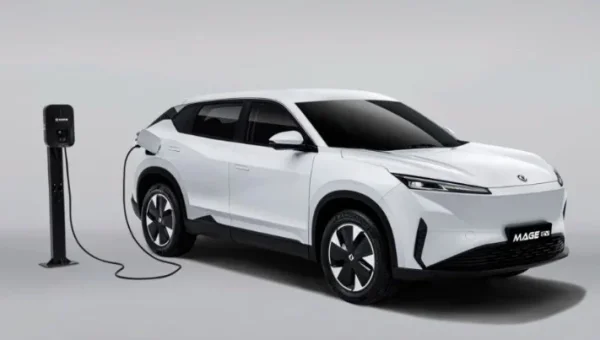
Dongfeng Mage Launches First Locally Made EV in Egypt with El Nasr Automotive
SN Automotive, the distributor of Dongfeng Mage in Egypt, will unveil the brand's first locally manufactured electric vehicle on October 31 in partnership with El Nasr Automotive. The move is…
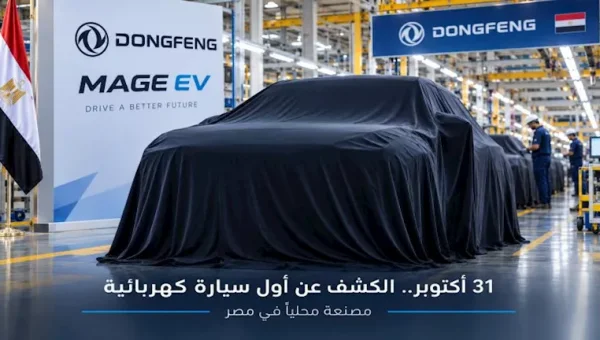
Dongfeng Mage EV Set for Official Unveiling in Egypt on October 31
SN Automotive is preparing to unveil the Dongfeng Mage EV in Egypt on October 31, 2026, with local assembly at Nasr Automotive's facilities. The compact SUV features a front-mounted electric…

