

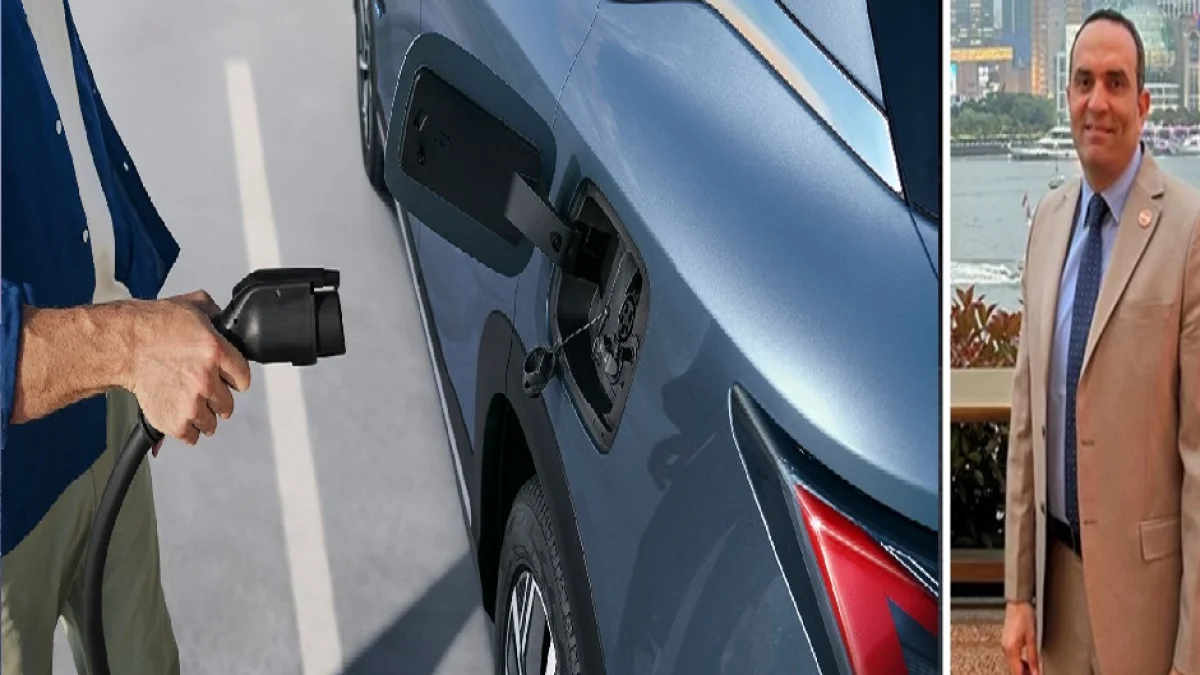
Electric Cars Need Less Maintenance — Range Extenders Cut Costs Too
Automotive maintenance expert Eng. Mohamed El-Hennawy confirmed that fully electric vehicles have the lowest maintenance needs compared to petrol cars. Range-extender vehicles require only a coolant change at 20,000 km and coolant plus brake circuit service at 40,000 km. Hybrid and plug-in hybrid maintenance intervals extend to 12,000–15,000 km. He advised buyers to factor in maintenance costs, spare parts availability, and after-sales service rather than focusing on purchase price alone.
Electric vehicles require the least maintenance of any car type on the market. Eng. Mohamed El-Hennawy, an automotive maintenance expert, confirmed that fully electric cars stand out with significantly lower maintenance needs compared to petrol-powered vehicles, making them the superior choice for long-term ownership costs.
Why do EVs win on maintenance?
The reason is straightforward. There is no internal combustion engine, no engine oil, no spark plugs, and no fuel filters. These components account for the bulk of routine maintenance work in petrol cars. Eliminating them slashes costs dramatically. Speaking on the "Arabety" programme broadcast on Radio Egypt and hosted by journalist Hisham El-Zeini, El-Hennawy noted that servicing a petrol engine can be more expensive than maintaining other vehicle types.
Range extenders follow a different schedule
20,000 kilometres. That is the only interval at which range-extender vehicles need a coolant change, while at 40,000 kilometres they require coolant and brake circuit servicing only. El-Hennawy explained that range extenders rely on a large battery paired with a small petrol engine, which changes the nature of required maintenance and makes some routine operations less frequent depending on vehicle design and the approved service schedule.
Hybrids and plug-in hybrids stretch intervals further
The gap is real. Maintenance for some hybrid and plug-in hybrid models can extend from 7,000–10,000 kilometres to 12,000–15,000 kilometres. That extended interval means fewer workshop visits and tangible savings in running costs over years of ownership.
Purchase price isn't the whole story
Comparison must be comprehensive. The maintenance expert stressed that buyers should not rely solely on the purchase price when comparing models — routine maintenance costs, spare parts availability, and after-sales services must all be factored in as elements that influence the true cost of ownership over the long term. The real ownership equation starts at the sticker price but doesn't end there — it extends through every service visit and every part replaced over the vehicle's lifetime.
Frequently Asked Questions
3 questions answered
Related News
View All News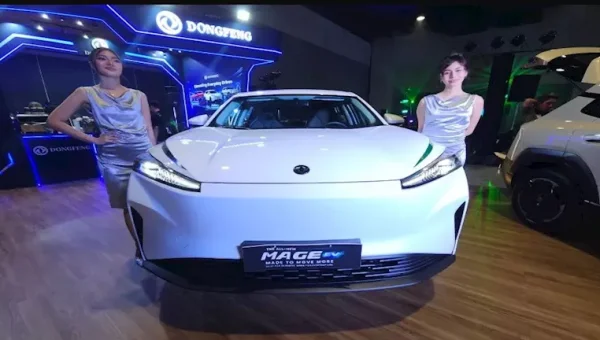
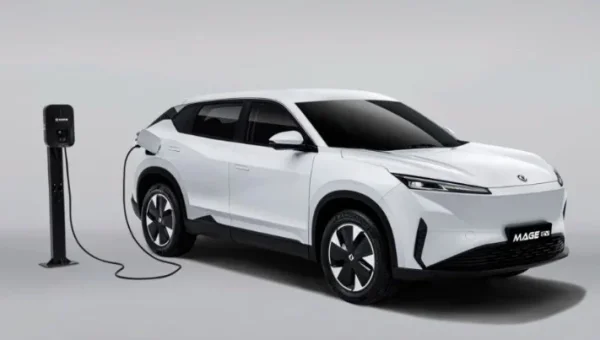
Dongfeng Mage Electric Set for Egyptian Debut on October 31
The Dongfeng Mage electric SUV will launch in its locally assembled Egyptian form on October 31, built at El Nasr Automotive's factory. It uses a 161 hp front-mounted electric motor…
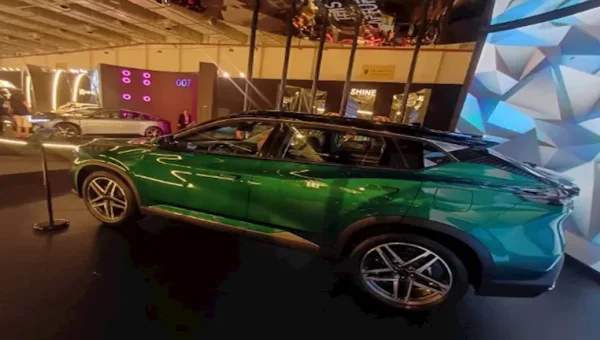
Dongfeng Mage EV: Egypt's First Locally Assembled Electric Car Before Official Launch
SN Automotive and Al Nasr Automotive are set to unveil the Dongfeng Mage EV, Egypt's first locally assembled electric car, on October 31. The compact SUV features a 120 kW…
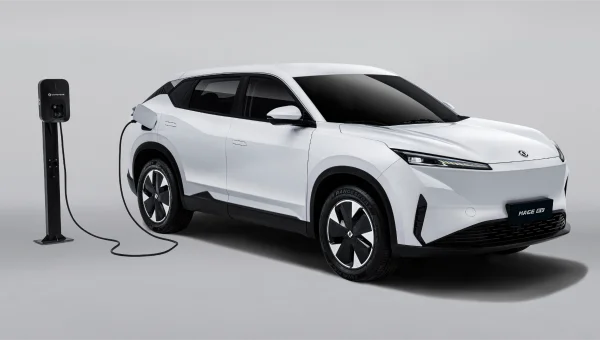
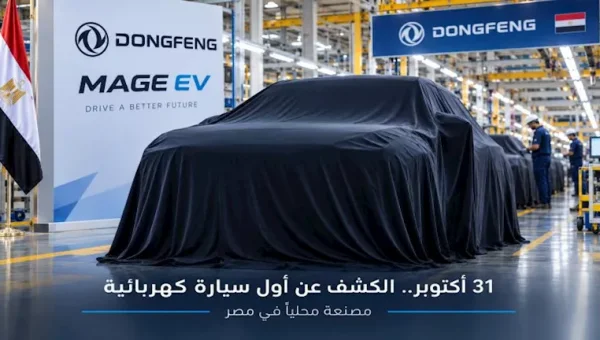
Dongfeng Mage EV Set to Launch from El Nasr Plant on October 31
SN Automotive has set October 31 as the official reveal date for the Dongfeng Mage EV, the first electric vehicle to be manufactured at Egypt's El Nasr Automotive plant. The…
Dongfeng Mage Launches First Locally Made EV in Egypt with El Nasr Automotive
SN Automotive, the distributor of Dongfeng Mage in Egypt, will unveil the brand's first locally manufactured electric vehicle on October 31 in partnership with El Nasr Automotive. The move is…
Dongfeng Mage EV Set for Official Unveiling in Egypt on October 31
SN Automotive is preparing to unveil the Dongfeng Mage EV in Egypt on October 31, 2026, with local assembly at Nasr Automotive's facilities. The compact SUV features a front-mounted electric…

