


30 Days Could Classify Your Car as Abandoned or Neglected Under Traffic Law
Many car owners may believe that leaving their vehicle unused for an extended period, or letting its registration expire without renewal, is merely a minor traffic violation. However, Egyptian traffic law has established precise definitions for neglected and abandoned vehicles, granting authorities the power to remove them from public roads and store them in designated facilities. These regulations aim to curb the spread of unused cars in streets, which can obstruct traffic flow, damage urban aesthetics, and pose security and environmental risks due to prolonged abandonment.
When Is a Car Considered Neglected?
Under the law, a vehicle is classified as neglected if 30 days have passed since its registration expired, and it either bears old unsecured metal license plates, plates not issued by the competent traffic department, or no license plates at all. Therefore, simply not using the car is not enough for it to be legally classified as neglected; the status depends on the registration condition, license plates, and where the vehicle is left, especially if it occupies public roads or disrupts traffic movement.
When Does a Vehicle Become Abandoned?
Legally, an abandoned vehicle differs from a neglected one, as this classification includes cars whose data cannot be traced in the traffic database. A neglected car or vehicle wreck is also considered abandoned after its owner or responsible manager is notified to remove it and specify a storage location, and fails to retrieve it and complete required procedures within 60 days from the notification date. Retrieval procedures require proof of ownership, along with payment of all due taxes, fees, fines, and the costs of towing, transporting, storing, and housing the vehicle.
What Are Vehicle Wrecks?
The law distinguishes between a neglected car and vehicle wrecks, defining wrecks as any vehicle chassis or car that has lost one of its essential components, such as the base, engine, or body. This definition targets dilapidated or dismantled cars left in streets for long periods, which can become hazards, garbage collection points, and occupy public road space. Traffic law prohibits leaving neglected, abandoned, or wrecked vehicles on public roads if they endanger citizens' lives or property, or disrupt or impede traffic flow, with authorities empowered to remove them immediately upon detection.
Related News
View All News
Geely Egypt Pledges to Honor Original Prices for Existing Reservations
Aut Mobility, Geely's distributor in Egypt, has committed to delivering reserved vehicles at the official prices set at contract signing. The move follows price increases on Geely Emgrand 2027 by…
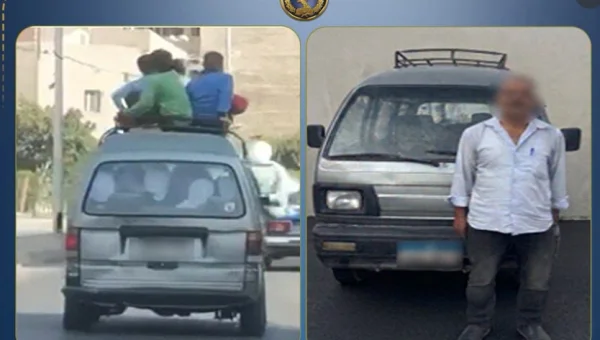
Interior Ministry Arrests Reckless Van Driver Who Let Children Sit on Roof in Al-Nahda
Egypt's Interior Ministry arrested a van driver after a video showed him allowing children to sit on the roof of his moving vehicle in the Al-Nahda area of Cairo. The…
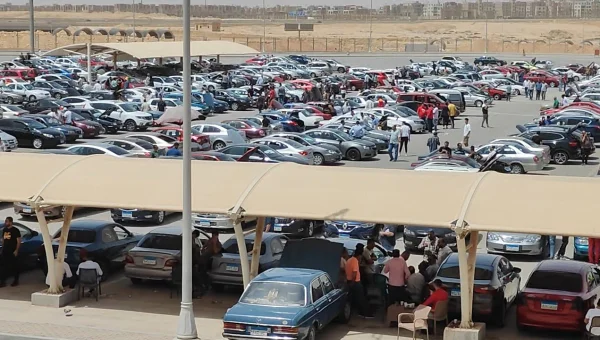
Used Car Market Set for 30% Sales Surge in November and December
Egypt's used car market is poised for a strong rebound in the final two months of 2026, with traders forecasting a 30% increase in sales during November and December. Sales…
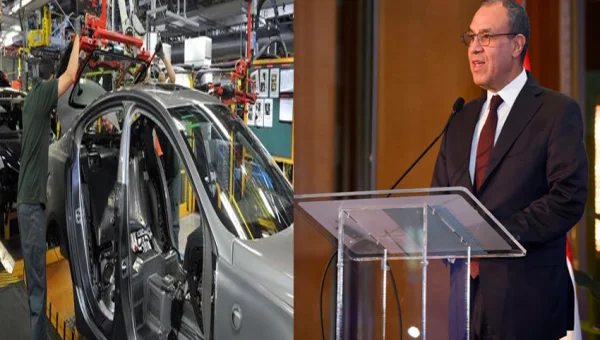
Foreign Minister: Localizing Auto Components and Deepening Manufacturing Boost Egypt's Competitiveness
Foreign Minister Badr Abdel Ati affirmed that localizing auto components and deepening local manufacturing are key to boosting Egypt's automotive competitiveness. Speaking at the fifth World Manufacturing Conference in Cairo,…

Throwing a Tea Cup Out Your Car Window Could Cost You EGP 15,000 and Your License
Egyptian Traffic Law Article 72 bis (2) imposes a fine of EGP 5,000 to EGP 15,000 on any driver who throws waste or litter from a vehicle onto the road.…

