

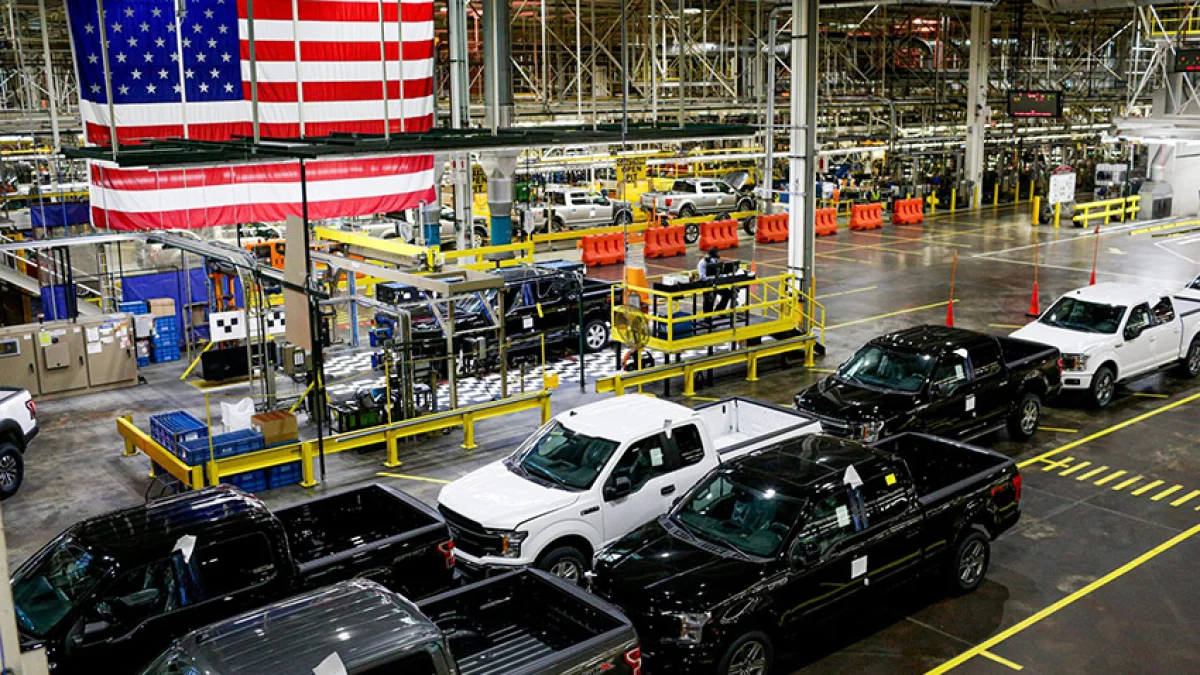
Chery Plans U.S. Entry with Non-Chinese Components Despite Restrictions
Chery is working to enter the U.S. market despite restrictions by developing cars with non-Chinese components and software. Vice President Charlie Zhang said the company is open to partnerships with American automakers. Chery is also preparing to launch its brands in Canada by 2027 as a stepping stone to North America. High tariffs and cybersecurity rules currently block direct exports, pushing the company toward alternative solutions.
Chery is pushing to enter the U.S. market despite strict restrictions on Chinese technology, by developing vehicles that use non-Chinese components and software. Charlie Zhang, the company's vice president, said Chery is open to partnerships with American automakers to make this happen. The move is part of a broader strategy that includes launching its brands in Canada by 2027.
Chery Seeks Workarounds for U.S. Restrictions
High tariffs on Chinese-made electric vehicles and strict cybersecurity rules for connected cars currently block direct exports. But Chery is betting on building cars with systems and components that fall outside those restrictions, while exploring cooperation with U.S. firms. Zhang confirmed this is technically feasible, but declined to name any potential American partner or a specific model under development. No agreement has been announced.
Canada as a Gateway to North America
In a parallel move, Chery is preparing to launch its brands in Canada during 2027. That timing could give it a foothold in the North American market before attempting a U.S. entry. Canada's regulatory environment is less restrictive than America's, making it a logical starting point. The company aims to use experience gained there to test its competitive strength.
Why Is Chery Determined to Enter the U.S.?
The U.S. represents a massive market with diverse buyer segments. In some categories, particularly low-cost options, there is a gap in available choices. Chery sees an opportunity in that gap, but faces fierce competition from established global brands. The company needs a clear edge in technology or pricing to break through. High tariffs and cybersecurity rules aren't the only barriers; they are the most visible ones.
U.S. restrictions extend beyond tariffs to rules governing technology in connected vehicles. These effectively block several cars linked to Chinese tech. Developing versions with non-Chinese components may be the only viable path. But cost and timing remain unclear. Chery has not set a timeline for U.S. sales, saying only it's "open to different options." The company continues to sell models like the Tiggo 7 and Tiggo 8 in other markets.
Technical and Regulatory Hurdles
Building a car with non-Chinese software isn't simple. It requires redesigning electronic control units, replacing communication systems, and possibly changing suppliers. Chery has the technical expertise, but the cost could be high. Other Chinese automakers face the same challenge, making the race intense. Success in America could open the door to broader exports, but it could also drain resources.
Partnering with an American company could speed things up, but it raises questions about intellectual property and profit sharing. Zhang offered no details on the shape of any potential partnership. All he said was that Chery is "open" to cooperation. That ambiguity leaves every option on the table. Meanwhile, the company keeps improving its current lineup, which includes the Tiggo 7 and Tiggo 8.
What It Means for U.S. Buyers
If Chery succeeds, American consumers could gain additional choices at competitive prices. Until then, the move remains a stated intention. No specific model or launch date has been announced. All we have is a vice president's comment about being "open" and willing to change components. That isn't enough to build strong expectations. The U.S. market is tough, and competition is fierce. Success requires more than just intention.
Frequently Asked Questions
3 questions answered
Related News
View All News
Shell Lubricants Renews Al Ahly Partnership for Four More Years
Shell Lubricants Egypt has renewed its strategic partnership with Al Ahly Club for an additional four years under the Shell Rimula brand. The partnership extends beyond 12 years and is…

BrandIt and MIE Group Sign Strategic Alliance to Lead EV Exhibitions in Africa and the Middle East
BrandIt has signed a memorandum of understanding with MIE Group, led by Mohamed El-Saeidy and David Wang. The partnership focuses on electric vehicles and smart mobility, with plans to expand…
Minister Khaled Hashem Tours International Optics Company to Localize Vehicle Electronics in Egypt
Minister of Industry Khaled Hashem toured the Arab International Optics Company to review its capabilities in electronics, smart meters, and monitoring systems. He affirmed these are enabling industries supporting Egypt's…
Mercedes-Benz Sticks With China, Targets 400,000 Annual Sales in the US
Mercedes-Benz is preparing a full strategy update through 2030, keeping China central despite a sharper-than-expected market downturn. The automaker aims to raise US sales from over 300,000 to around 400,000…
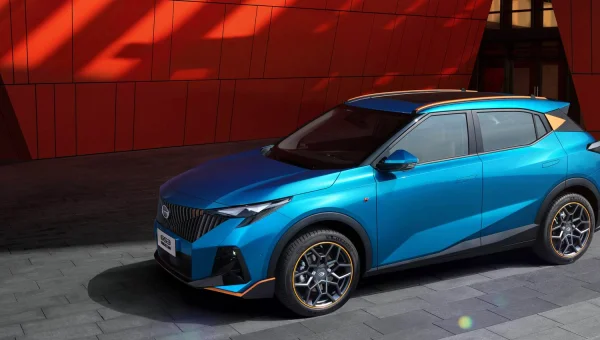
GAC Announces First Locally Assembled Car in Egypt: GS3 Emzoom at EGA Plant
GAC has announced plans to manufacture its first car in Egypt, the GS3 Emzoom crossover, at the EGA Egyptian-German Automotive plant. The agreement marks the brand's shift from importing to…

