

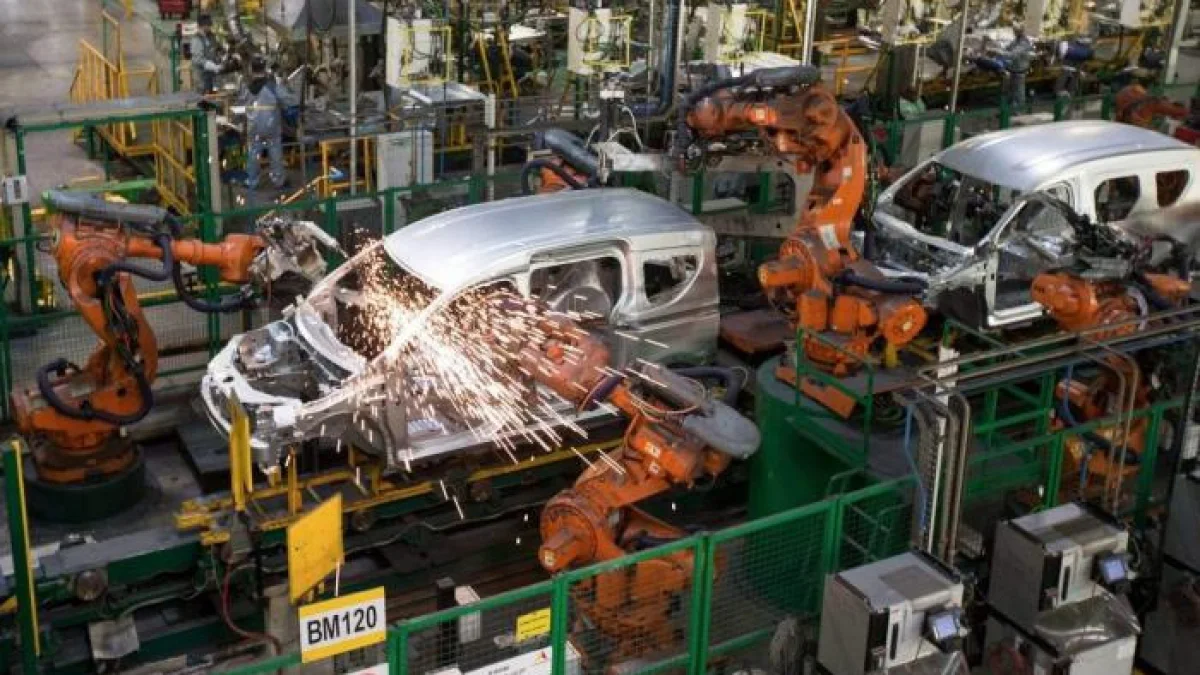
The 'World's Factory' Under Pressure: New Destinations Lure Production Lines Away from China
China is no longer the sole destination for global companies seeking low-cost production. The international manufacturing map is witnessing a notable shift, fueled by rising trade tensions, higher operating costs, and growing concerns about relying on a single market.
A Long-Running Chinese Edge
For decades, China has been known as the 'world's factory,' benefiting from abundant labor, massive infrastructure, and integrated supply chains. These factors strengthened its ability to attract industrial investments from around the globe, making it the center of gravity in automotive manufacturing and its components.
But economic and trade shifts have pushed many global companies to reconsider how they distribute their production operations. Looking for new locations outside China has become a clear strategy, aimed at reducing risks and increasing supply chain flexibility in a sector as sensitive as car manufacturing.
A Gradual Shift, Not a Mass Exit
What's really happening here? Current movements don't point to a mass factory exit from China, but rather companies moving part of their production operations to other countries. This approach allows them to diversify manufacturing sources and reduce dependence on a single production base, without completely abandoning China's enormous advantages.
Despite some production lines shifting to other destinations, China still holds an edge that rivals can't quickly replicate. Its integrated industrial network spans all production stages, from raw materials and components to manufacturing, assembly, and the final product — something that can't be replaced overnight.
Emerging Alternative Hubs
Countries like Vietnam, India, Mexico, and Turkey have emerged as attractive destinations for companies seeking production alternatives. These nations benefit from several factors, including proximity to key markets, lower operating costs in some cases, and a growing capacity to absorb new industrial investments in the automotive sector.
The gains from this shift aren't limited to the countries receiving new production lines. Companies themselves benefit from spreading operations across multiple nations, gaining greater flexibility in facing trade and supply disruptions while reducing risks tied to relying on a single production hub — an equation that has become fundamental in the global automotive industry today.
Related News
View All News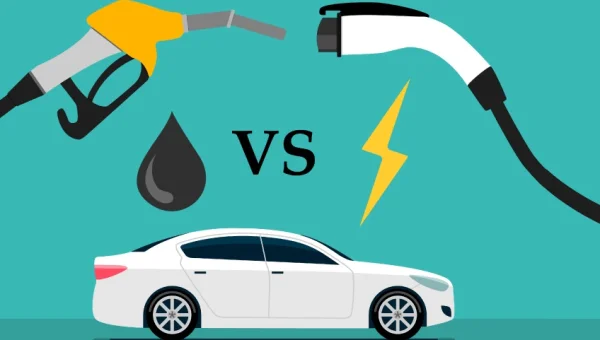
One Million Pounds: Petrol, Electric, or Hybrid? Your Buying Guide
Presenter Hesham El-Zeiny has raised the key question for buyers with a one-million-pound budget: petrol, electric, hybrid, or range-extender? On Radio Egypt's «Arabeyti» program, he stressed that the decision depends…
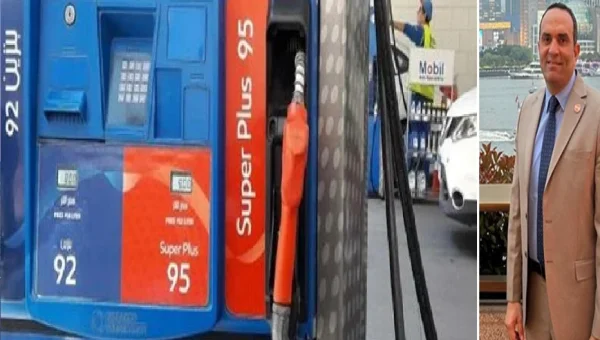
95 Octane for European Cars, 92 for Chinese: El-Hennawy Explains the Optimal Fuel Choice
Automotive maintenance expert Mohamed El-Hennawy revealed that modern European cars built to Euro 6 standards are best run on 95 octane fuel, while most Chinese cars in the Egyptian market…
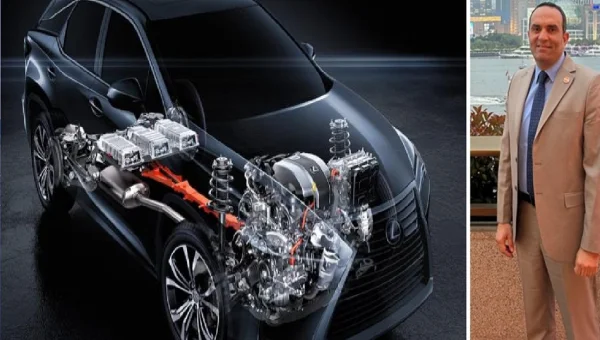
Why a Maintenance Expert Recommends Hybrids for One-Car Families
Car maintenance expert Mohamed El-Hennawy advised families owning a single vehicle to choose hybrid or plug-in hybrid models over full electric cars. These vehicles combine a petrol engine with an…

Egypt Offers New Billet Licenses to Boost Local Auto Components
Egypt's industry and investment ministers met with major steel producers including Ezz Steel, Beshay, and El-Masreyin to address billet availability challenges. The government announced new billet production licenses with price…
Mercedes Leads European Car Registrations in Egypt with 6,628 Units in 9 Months
Mercedes topped the list of European brands with the most vehicle registrations in Egypt during the first nine months of 2026, recording 6,628 units. Skoda came second with 6,227 vehicles,…

