


Oil Expert: Wars and Geopolitical Tensions Drive Global Oil Prices Up
Oil remains one of the most strategically important commodities influencing the global economy, as any fluctuation in its price directly impacts transportation costs, energy prices, and a wide range of goods and services. In a detailed analysis of the factors controlling these prices, Dr. Medhat Youssef, former Vice President of the Egyptian General Petroleum Corporation (EGPC), provides his insights into the primary drivers behind oil price increases and decreases, noting that the market is governed by a complex mix of economic and political factors.
Supply, Demand, and OPEC+ at the Core of the Equation
Dr. Youssef emphasizes that oil prices are primarily governed by the fundamental law of supply and demand; as global demand rises or available supplies dwindle, prices increase naturally, and vice versa. He adds that the decisions made by major producing countries and the OPEC+ alliance represent another key pillar in this equation. These entities work to regulate production levels to maintain market stability and prevent sharp volatility, making their moves a focal point for investors and analysts worldwide.
The Impact of Global Conflicts and Economic Crises
The oil expert points out that geopolitical events, especially wars and international tensions, play a pivotal role in moving oil markets. During times of conflict, countries tend to increase their strategic petroleum reserves in anticipation of any sudden supply shortfalls, which creates additional demand pressure and pushes prices higher. Dr. Youssef cites the Gulf War as one of the most prominent examples of how military conflicts can disrupt energy markets.
Influencing factors are not limited to the political sphere but also extend to global economic conditions. During periods of strong economic growth, energy demand rises significantly, contributing to higher prices. Conversely, recessions and financial crises lead to a sharp drop in demand and a notable decline in prices. Dr. Youssef refers to the 2008 global financial crisis as a clear example, where oil prices plummeted from levels exceeding $145 per barrel to around just $30.
The expert concludes his analysis by confirming that oil prices are not static but are in a state of constant change due to the complex interaction of economic, political, and geopolitical factors, making the oil market one of the most sensitive and responsive global markets to accelerating international events.
Related News
View All News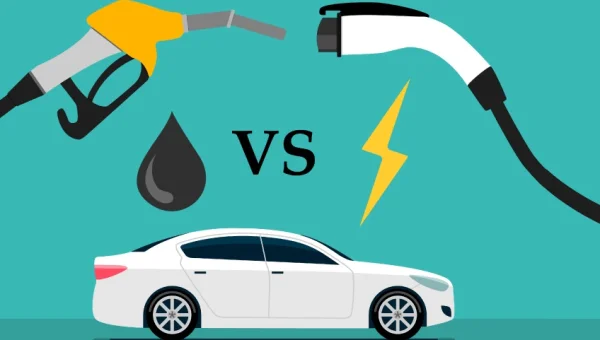
One Million Pounds: Petrol, Electric, or Hybrid? Your Buying Guide
Presenter Hesham El-Zeiny has raised the key question for buyers with a one-million-pound budget: petrol, electric, hybrid, or range-extender? On Radio Egypt's «Arabeyti» program, he stressed that the decision depends…
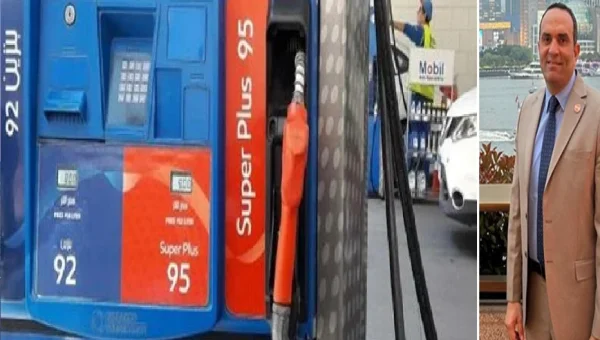
95 Octane for European Cars, 92 for Chinese: El-Hennawy Explains the Optimal Fuel Choice
Automotive maintenance expert Mohamed El-Hennawy revealed that modern European cars built to Euro 6 standards are best run on 95 octane fuel, while most Chinese cars in the Egyptian market…

Why a Maintenance Expert Recommends Hybrids for One-Car Families
Car maintenance expert Mohamed El-Hennawy advised families owning a single vehicle to choose hybrid or plug-in hybrid models over full electric cars. These vehicles combine a petrol engine with an…
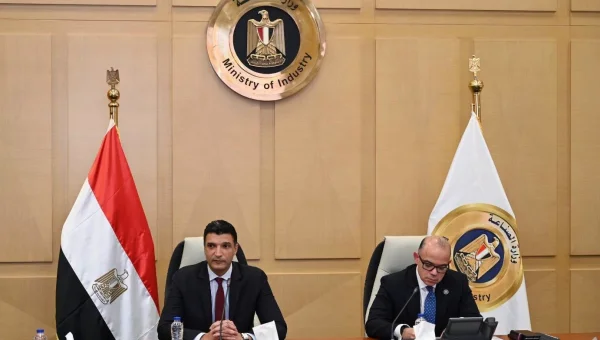
Egypt Offers New Billet Licenses to Boost Local Auto Components
Egypt's industry and investment ministers met with major steel producers including Ezz Steel, Beshay, and El-Masreyin to address billet availability challenges. The government announced new billet production licenses with price…

Mercedes Leads European Car Registrations in Egypt with 6,628 Units in 9 Months
Mercedes topped the list of European brands with the most vehicle registrations in Egypt during the first nine months of 2026, recording 6,628 units. Skoda came second with 6,227 vehicles,…

