

Your Tires Could Wear Out Early — 6 Daily Driving Habits That Shorten Tire Life
Tire lifespan depends directly on driver behavior and maintenance habits, not just manufacturing quality. The main culprits are incorrect air pressure, misaligned wheel angles, ignored wheel balancing, and aggressive acceleration and braking. Underinflation wears the sidewalls, overinflation wears the center, and bad alignment wears one tire faster than the rest. Regular checks, alignment, and balancing extend tire life and keep the car stable on the road.
Tire lifespan isn't a fixed number. Wrong air pressure, misaligned wheel angles, bad balancing. Aggressive driving can all cut a tire's expected life short — long before the manufacturer's mileage claim. Most drivers find out the hard way, when the sidewall shows uneven wear or the steering wheel starts vibrating on the highway. The cause is rarely a factory defect; it's daily habits.
Incorrect Tire Pressure Is the Leading Cause of Premature Wear
Driving with air pressure below or above the recommended figure is the single most common mistake drivers make, based on routine maintenance data. Underinflation widens the contact patch, raises rubber temperature and rolling resistance, and eats through the sidewalls fast. Overinflation — the opposite error — concentrates wear in the center of the tread and weakens the tire's ability to absorb impacts. The rule is simple: measure pressure when tires are cold and stick to the value printed on the driver's door frame.
Wheel Alignment and Balancing — Small Errors, Big Costs
Misaligned wheels make one tire wear faster than the other. A driver may notice the car pulling to one side, an unsteady steering wheel at the straight-ahead position, or uneven tread wear while other sections still look fine. Wheel balancing plays a similar role in determining tire life. Missing or lost balance weights cause vibrations at speed and produce patchy, irregular wear. The problem usually appears after a tire change, a puncture repair, or a hard pothole hit that knocked off a wheel weight — and the car may feel normal until the wear pattern becomes obvious.
Aggressive Driving Accelerates Rubber Loss
Repeated hard acceleration and sudden braking strip rubber off the tread compound every single time. High-torque vehicles suffer the most, because strong launches put direct stress on the rear tires in particular. Driving at high speeds for extended periods does the same — it raises tire temperature and increases the load. With low pressure or pre-existing damage, the risk multiplies. A tire doesn't need a deep pothole to fail; high heat and one weak spot are enough.
When Should You Replace a Full Set of Tires?
Uneven wear, persistent vibration after balancing, or cracks in the sidewalls all mean replacement, no argument. A tire isn't measured by mileage alone — years of service and driver habits matter as much as road conditions. A routine inspection every 5,000 km saves a significant amount later.
Frequently Asked Questions
3 questions answered
Related News
View All News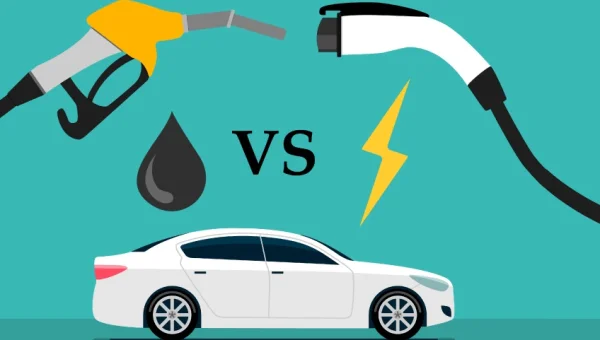
One Million Pounds: Petrol, Electric, or Hybrid? Your Buying Guide
Presenter Hesham El-Zeiny has raised the key question for buyers with a one-million-pound budget: petrol, electric, hybrid, or range-extender? On Radio Egypt's «Arabeyti» program, he stressed that the decision depends…
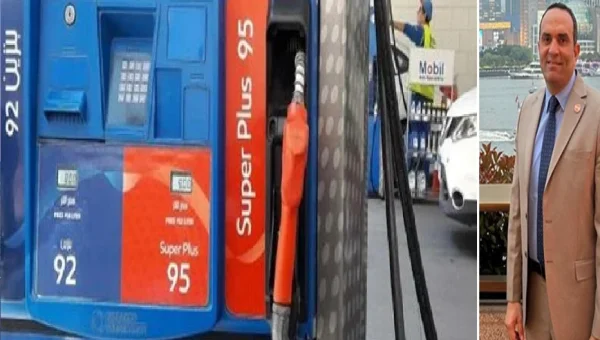
95 Octane for European Cars, 92 for Chinese: El-Hennawy Explains the Optimal Fuel Choice
Automotive maintenance expert Mohamed El-Hennawy revealed that modern European cars built to Euro 6 standards are best run on 95 octane fuel, while most Chinese cars in the Egyptian market…
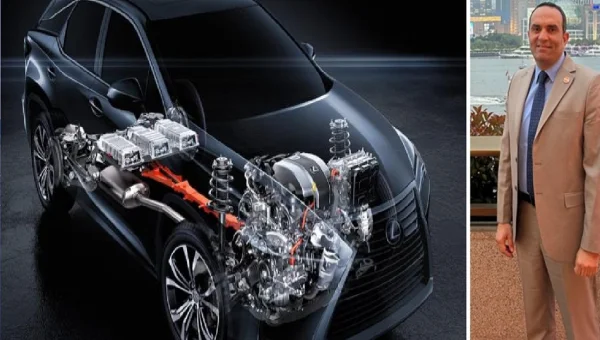
Why a Maintenance Expert Recommends Hybrids for One-Car Families
Car maintenance expert Mohamed El-Hennawy advised families owning a single vehicle to choose hybrid or plug-in hybrid models over full electric cars. These vehicles combine a petrol engine with an…

Egypt Offers New Billet Licenses to Boost Local Auto Components
Egypt's industry and investment ministers met with major steel producers including Ezz Steel, Beshay, and El-Masreyin to address billet availability challenges. The government announced new billet production licenses with price…
Mercedes Leads European Car Registrations in Egypt with 6,628 Units in 9 Months
Mercedes topped the list of European brands with the most vehicle registrations in Egypt during the first nine months of 2026, recording 6,628 units. Skoda came second with 6,227 vehicles,…

