

Smart Transport Networks Strengthen Egypt’s Economic Competitiveness and Regional Trade Connectivity
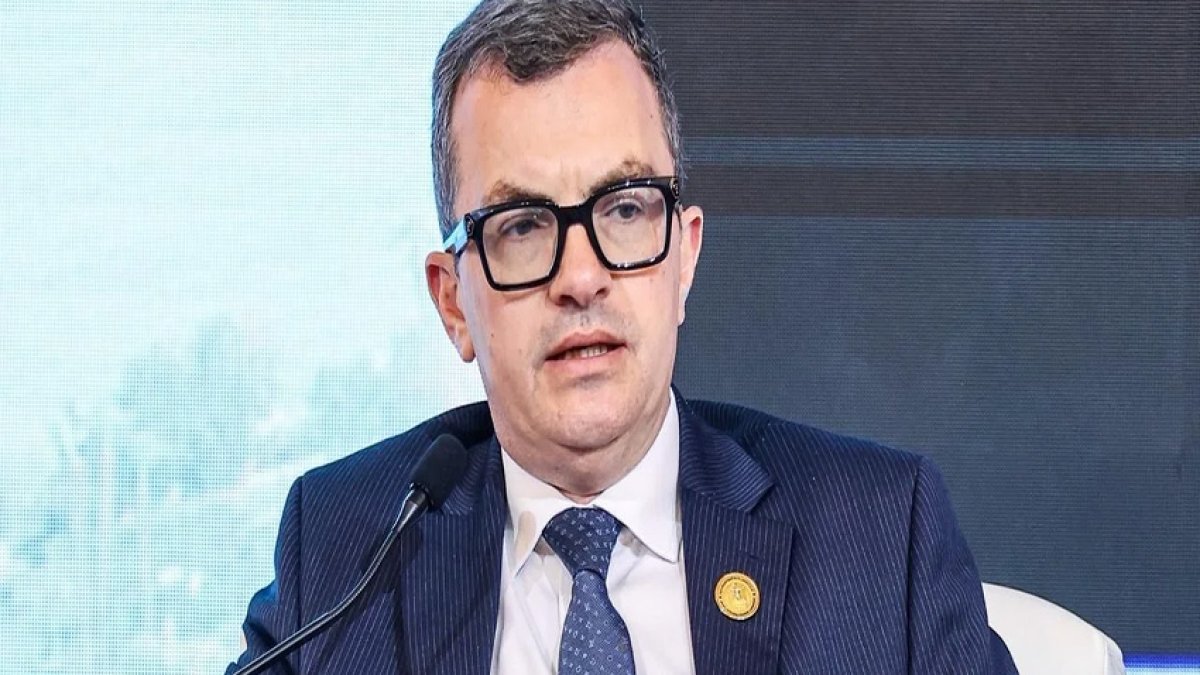
Dr. Ahmed Rostom, Egypt’s Minister of Planning and Economic Development and Governor of Egypt at the Islamic Development Bank Group, highlighted the country’s experience in developing trade- and transport-supporting infrastructure. He stated that major investments in road networks, railways, ports, and logistics corridors have significantly enhanced Egypt’s economic competitiveness and strengthened connections between production centers and regional and international trade routes.
According to Rostom, Egypt’s integrated transport system, which includes modern highways, upgraded railway networks, and both dry and seaports, has evolved beyond traditional infrastructure. It now serves as a key driver for improving the efficiency of vehicle and freight movement, optimizing supply chains, reducing transportation costs, and accelerating the flow of goods across markets.
Infrastructure as a Driver of Economic Growth
His remarks were delivered during a high-level discussion session at the Private Sector Forum held alongside the annual meetings of the Islamic Development Bank in Baku. The session focused on advancing trade solutions and strengthening regional connectivity as a catalyst for sustainable growth.
Rostom emphasized that ongoing shifts in the global trading system, combined with supply chain disruptions and geopolitical tensions, have made transport infrastructure development—particularly road and railway networks—a strategic priority for ensuring economic resilience and maintaining competitiveness.
Integrated Transport and Logistics Networks
He added that the integration of road networks, rail transport, and logistics systems has become a critical component of modern trade. Beyond moving goods, it enables businesses, especially small and medium-sized enterprises, to access markets more efficiently and at greater speed.
Rostom also stressed that investments in ports and logistics hubs, alongside the digital transformation of transport and customs systems, help reduce shipping times and improve trade efficiency. These developments directly benefit the road transport sector, commercial vehicle operations, and broader supply chains.
He concluded by reaffirming Egypt’s commitment to strengthening integration between roads, railways, and ports, reinforcing its position as a strategic global trade corridor while supporting the transition toward more efficient and sustainable transport systems.
Related News
View All News
One Million Pounds: Petrol, Electric, or Hybrid? Your Buying Guide
Presenter Hesham El-Zeiny has raised the key question for buyers with a one-million-pound budget: petrol, electric, hybrid, or range-extender? On Radio Egypt's «Arabeyti» program, he stressed that the decision depends…
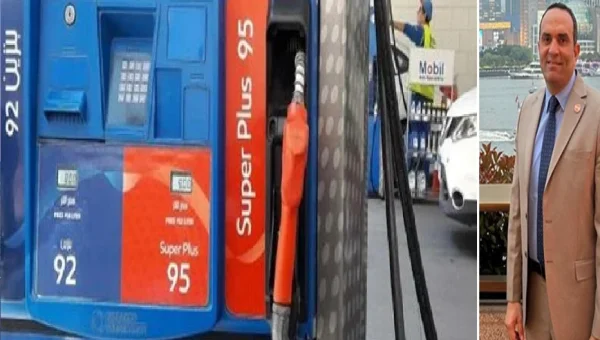
95 Octane for European Cars, 92 for Chinese: El-Hennawy Explains the Optimal Fuel Choice
Automotive maintenance expert Mohamed El-Hennawy revealed that modern European cars built to Euro 6 standards are best run on 95 octane fuel, while most Chinese cars in the Egyptian market…
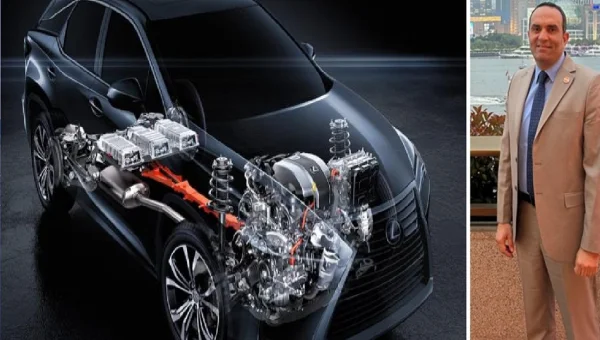
Why a Maintenance Expert Recommends Hybrids for One-Car Families
Car maintenance expert Mohamed El-Hennawy advised families owning a single vehicle to choose hybrid or plug-in hybrid models over full electric cars. These vehicles combine a petrol engine with an…
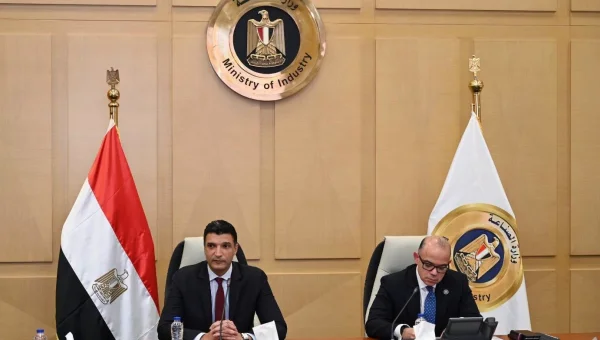
Egypt Offers New Billet Licenses to Boost Local Auto Components
Egypt's industry and investment ministers met with major steel producers including Ezz Steel, Beshay, and El-Masreyin to address billet availability challenges. The government announced new billet production licenses with price…

Mercedes Leads European Car Registrations in Egypt with 6,628 Units in 9 Months
Mercedes topped the list of European brands with the most vehicle registrations in Egypt during the first nine months of 2026, recording 6,628 units. Skoda came second with 6,227 vehicles,…

