

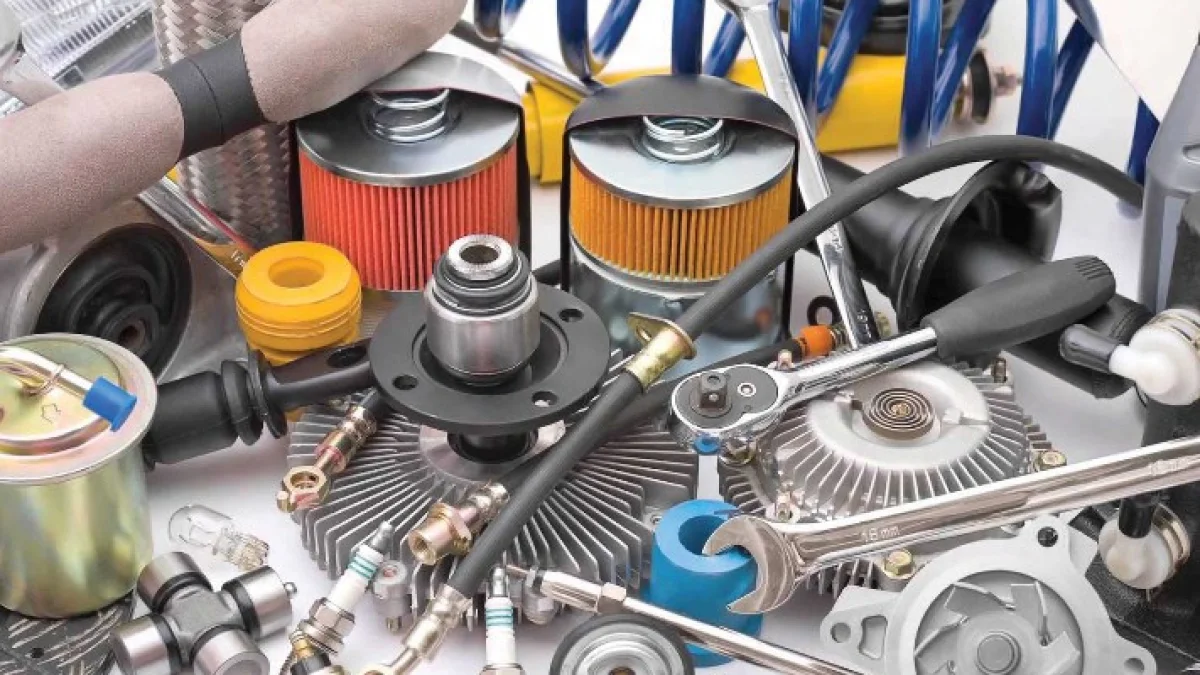
Rising Tensions With Beijing Expose Challenges Facing the U.S. Auto Components and Engine Industry
The global automotive industry has entered a new phase of competition that extends far beyond vehicle design and engine development. Technology, politics, national security, and supply chains have become central factors shaping the sector. As the transition toward electric vehicles accelerates, the automotive industry has emerged as one of the most significant arenas of economic competition between the United States and China, while the difficulties affecting the American auto components and engine sector continue to highlight the challenges facing the industry within the United States.
A Competition Beyond Vehicle Manufacturing
Global automotive competition is no longer defined solely by producing more advanced vehicles or developing more efficient powertrains. It is increasingly tied to securing advanced technologies, strengthening industrial capabilities, protecting national security interests, and maintaining resilient supply chains. The rapid expansion of electric vehicles has accelerated this transformation, making the rivalry between the United States and China more strategic and more closely linked to the future direction of the automotive industry.
Growing Pressure on the American Supply Chain
The challenges confronting the U.S. auto components sector reveal deeper structural issues affecting domestic manufacturing as competition with Beijing intensifies. These developments demonstrate how modern vehicle production depends not only on assembly and engineering expertise but also on access to critical technologies and stable supply chains that support long-term industrial competitiveness.
As the global shift toward electric vehicles continues, automotive components and engine manufacturing remain essential parts of a broader industrial ecosystem built on innovation, technology, and reliable supply networks. Current developments underscore that the competition between the United States and China extends well beyond finished vehicles and now encompasses every major aspect of the automotive industry, with the pressures facing the American components sector reflecting the wider economic and strategic rivalry between the two countries.
Related News
View All News
One Million Pounds: Petrol, Electric, or Hybrid? Your Buying Guide
Presenter Hesham El-Zeiny has raised the key question for buyers with a one-million-pound budget: petrol, electric, hybrid, or range-extender? On Radio Egypt's «Arabeyti» program, he stressed that the decision depends…
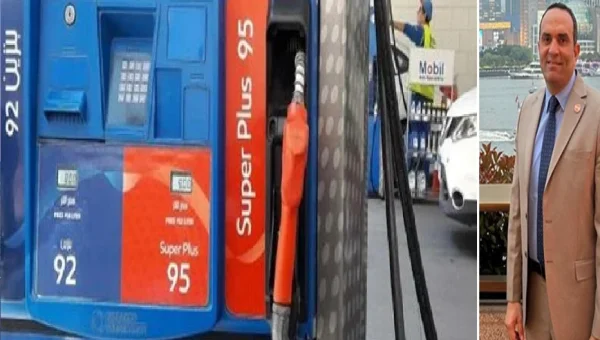
95 Octane for European Cars, 92 for Chinese: El-Hennawy Explains the Optimal Fuel Choice
Automotive maintenance expert Mohamed El-Hennawy revealed that modern European cars built to Euro 6 standards are best run on 95 octane fuel, while most Chinese cars in the Egyptian market…
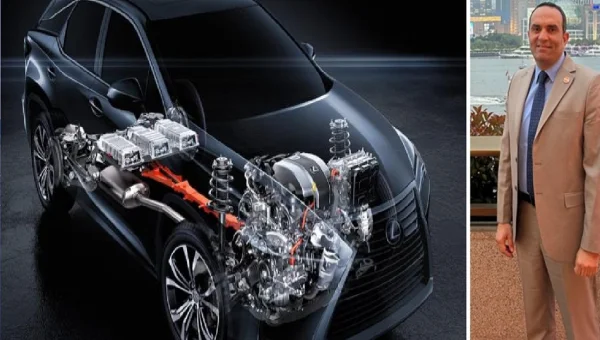
Why a Maintenance Expert Recommends Hybrids for One-Car Families
Car maintenance expert Mohamed El-Hennawy advised families owning a single vehicle to choose hybrid or plug-in hybrid models over full electric cars. These vehicles combine a petrol engine with an…

Egypt Offers New Billet Licenses to Boost Local Auto Components
Egypt's industry and investment ministers met with major steel producers including Ezz Steel, Beshay, and El-Masreyin to address billet availability challenges. The government announced new billet production licenses with price…
Mercedes Leads European Car Registrations in Egypt with 6,628 Units in 9 Months
Mercedes topped the list of European brands with the most vehicle registrations in Egypt during the first nine months of 2026, recording 6,628 units. Skoda came second with 6,227 vehicles,…

