

From Imports to Used Cars: How Regional Tensions Are Squeezing Egypt's Auto Prices
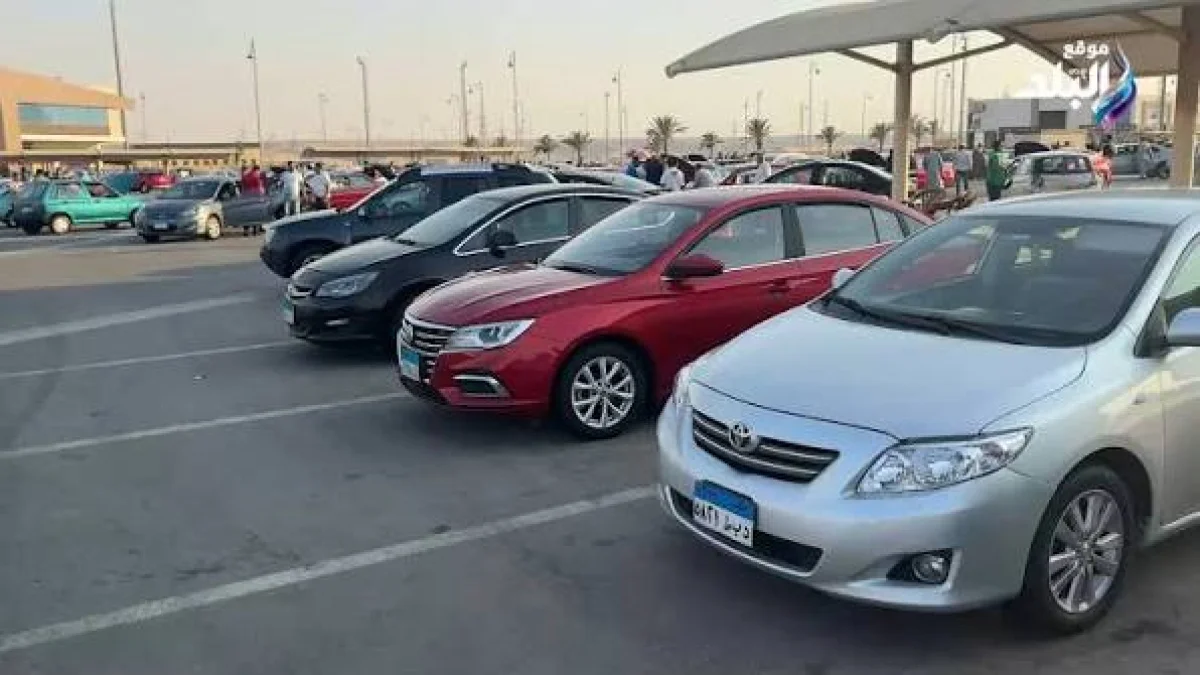
Egypt's automotive market faces fresh pressure from ongoing regional tensions and rising shipping, insurance, and energy costs. Imported vehicles bear the brunt through higher landed costs, while locally assembled cars are squeezed by expensive imported components. The used car market is watching new-car supply closely and could see extra demand if availability drops. External factors will largely determine the pace of any upcoming price increases.
Regional tensions across the Middle East are once again rattling Egypt's automotive market. With negotiations stalled and uncertainty mounting, dealers, importers, and consumers are bracing for impact — fearing that any fresh escalation will drive up shipping, insurance, energy, and supply chain costs, all of which could push new car prices higher, whether imported or locally assembled, before the effects trickle into the used market.
Importers Absorb the First Hit
Automotive industry experts say rising freight and insurance costs, combined with longer transit times, could increase the landed cost of imported vehicles at Egyptian ports. But that cost doesn't travel in a straight line to the buyer. Available inventory, purchase timing, each importer's pricing strategy, and the market's ability to absorb new increases all determine whether the extra cost reaches the consumer's pocket or gets absorbed somewhere along the distribution chain. The pressure is real. Its pace is anything but predictable.
Locally Assembled Cars Face a Different Squeeze
Locally assembled vehicles aren't immune either. They don't bear the cost of shipping a complete car from abroad, but they rely on imported components. If the cost of moving those components rises — or if they arrive late at factories — production costs climb. Higher energy and raw material prices pile on another layer of pressure. Local factories face a different equation than importers, yet they remain tethered to the same global trade currents. There's no escaping it.
The Used Market Watches and Waits
Pricing in the used car market is closely tied to what happens in the zero-kilometer segment. If import costs rise or shipments get delayed, supply of certain new models could shrink. That shrinkage might push some demand toward used cars. But higher used prices aren't a foregone conclusion. That market answers to its own dynamics — actual demand levels, consumer purchasing power, and available supply. The equation is far more complex than a simple shift in demand.
What It Means for Egyptian Buyers
For the Egyptian buyer, the picture is complicated. Price increases on new cars may stay limited if dealers hold sufficient stock and competition between brands remains fierce. But if regional tensions drag on and shipping and insurance costs keep climbing, pressure on prices will build. The market moves slowly. Yet it moves in one direction.
Uncertainty Takes Center Stage
Sustained regional tensions place Egypt's car pricing outlook squarely in uncertain territory. Importers wait for clarity. Local manufacturers watch supply chains. Consumers wonder what comes first: higher prices or stability. Either way, external factors — from freight rates to insurance to energy costs — will remain central to what Egyptian buyers pay in the months ahead.
Frequently Asked Questions
2 questions answered
Related News
View All News
One Million Pounds: Petrol, Electric, or Hybrid? Your Buying Guide
Presenter Hesham El-Zeiny has raised the key question for buyers with a one-million-pound budget: petrol, electric, hybrid, or range-extender? On Radio Egypt's «Arabeyti» program, he stressed that the decision depends…
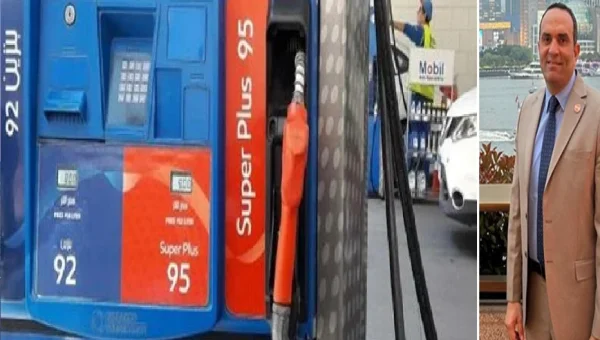
95 Octane for European Cars, 92 for Chinese: El-Hennawy Explains the Optimal Fuel Choice
Automotive maintenance expert Mohamed El-Hennawy revealed that modern European cars built to Euro 6 standards are best run on 95 octane fuel, while most Chinese cars in the Egyptian market…
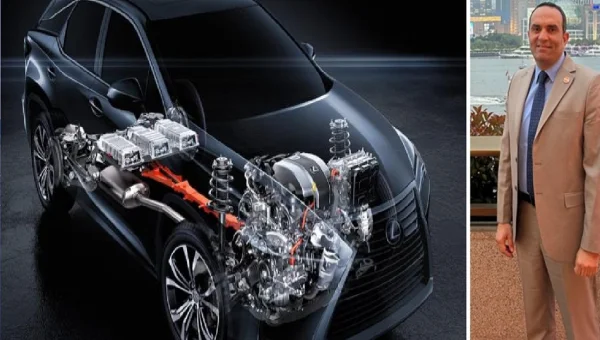
Why a Maintenance Expert Recommends Hybrids for One-Car Families
Car maintenance expert Mohamed El-Hennawy advised families owning a single vehicle to choose hybrid or plug-in hybrid models over full electric cars. These vehicles combine a petrol engine with an…

Egypt Offers New Billet Licenses to Boost Local Auto Components
Egypt's industry and investment ministers met with major steel producers including Ezz Steel, Beshay, and El-Masreyin to address billet availability challenges. The government announced new billet production licenses with price…
Mercedes Leads European Car Registrations in Egypt with 6,628 Units in 9 Months
Mercedes topped the list of European brands with the most vehicle registrations in Egypt during the first nine months of 2026, recording 6,628 units. Skoda came second with 6,227 vehicles,…

