

Egypt Unveils Tax and Customs Incentives to Attract Indian Auto Investments
Egypt's Finance Minister Ahmed Kojak confirmed that the state is intensifying efforts to create a more attractive and competitive investment environment. The goal is clear: draw in more foreign capital, support economic development plans. Generate new job opportunities. That requires a comprehensive package of tax and customs incentives targeting private sector growth, entrepreneurship. Expansion of productive activities.
Meeting on the BRICS Sidelines
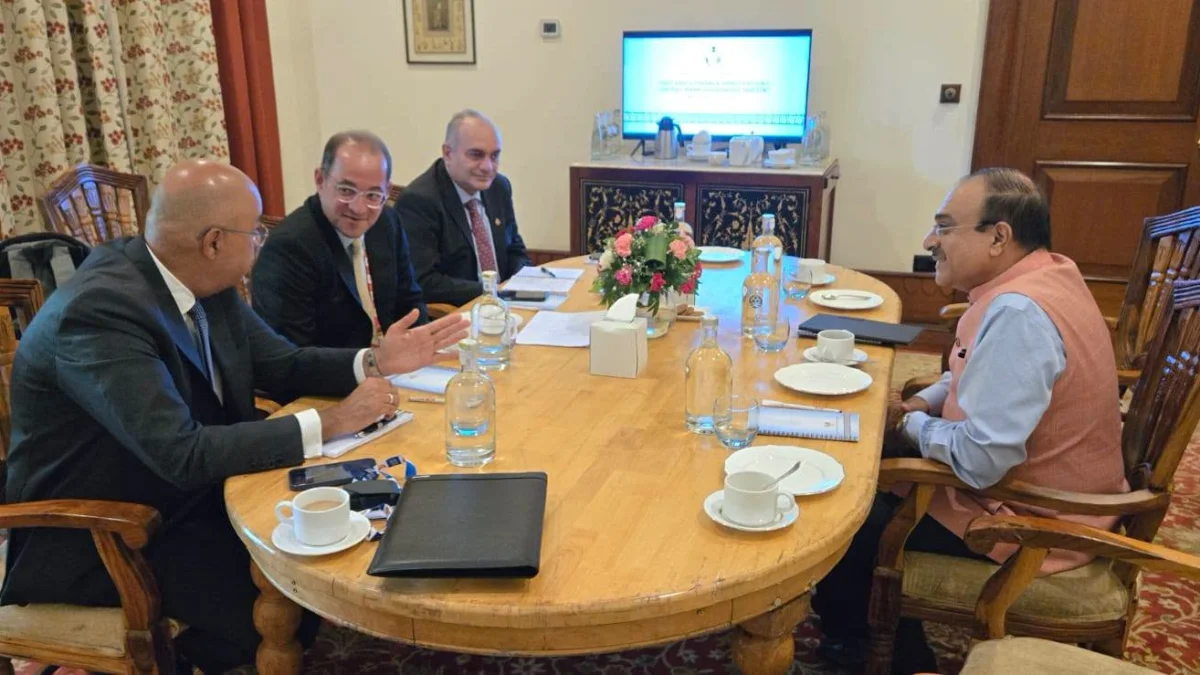
The minister's statements came during his meeting with S. Ganesh Kumar, Managing Director of India's TCI Sanmar, on the sidelines of the BRICS meetings in India. The talks covered opportunities to boost Indian investments in the Egyptian market, particularly in sectors tied to automobile manufacturing and its feeder industries. TCI Sanmar stands out as one of the largest producers of chemical materials, including PVC. That goes into making numerous parts and components used in modern cars. That strengthens the case for leveraging Egypt's growing auto sector and its expanding base of supporting industries.
Simplifying Procedures and Boosting Local Manufacturing
Kojak stated that the government is moving forward with simplifying and digitizing investment-related procedures. Working to remove obstacles that investors might face. The numbers tell the story: improving the business climate and accelerating economic activity requires a more suitable environment for industrial expansion. The finance minister also extended a direct invitation to Indian companies to increase their investments in the Egyptian market, tapping into the promising opportunities the economy offers. He emphasized the importance of strengthening investment cooperation between the two countries, especially in high-value-added industrial fields.
This invitation carries particular weight for the automotive sector, given Egypt's push toward deepening local manufacturing and broadening the base of feeder industries. That supports growth in domestic production and enhances the sector's ability to integrate into regional and global supply chains. The government's moves reflect a growing trend toward attracting qualitative industrial investments — not just assembly operations, but also the manufacturing of components and materials used in vehicles. That approach boosts local value addition and strengthens the competitiveness of Egyptian industry. With a focus on raw materials like PVC, Egypt appears to be building a comprehensive industrial base to serve the auto sector both locally and regionally.
Related News
View All News
One Million Pounds: Petrol, Electric, or Hybrid? Your Buying Guide
Presenter Hesham El-Zeiny has raised the key question for buyers with a one-million-pound budget: petrol, electric, hybrid, or range-extender? On Radio Egypt's «Arabeyti» program, he stressed that the decision depends…
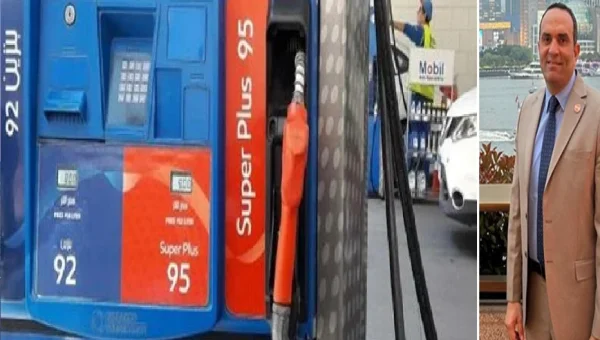
95 Octane for European Cars, 92 for Chinese: El-Hennawy Explains the Optimal Fuel Choice
Automotive maintenance expert Mohamed El-Hennawy revealed that modern European cars built to Euro 6 standards are best run on 95 octane fuel, while most Chinese cars in the Egyptian market…
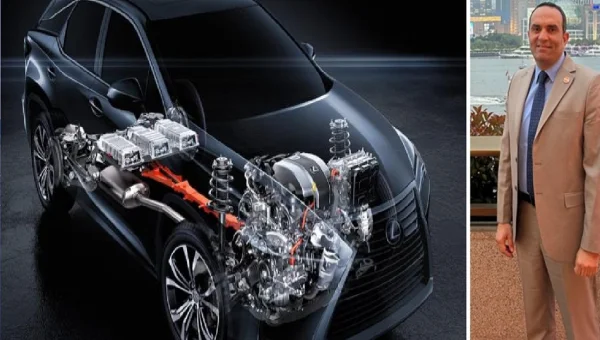
Why a Maintenance Expert Recommends Hybrids for One-Car Families
Car maintenance expert Mohamed El-Hennawy advised families owning a single vehicle to choose hybrid or plug-in hybrid models over full electric cars. These vehicles combine a petrol engine with an…
Egypt Offers New Billet Licenses to Boost Local Auto Components
Egypt's industry and investment ministers met with major steel producers including Ezz Steel, Beshay, and El-Masreyin to address billet availability challenges. The government announced new billet production licenses with price…
Mercedes Leads European Car Registrations in Egypt with 6,628 Units in 9 Months
Mercedes topped the list of European brands with the most vehicle registrations in Egypt during the first nine months of 2026, recording 6,628 units. Skoda came second with 6,227 vehicles,…

