

New Refractories Plant in Egypt to Cut Imports and Boost Automotive Competitiveness
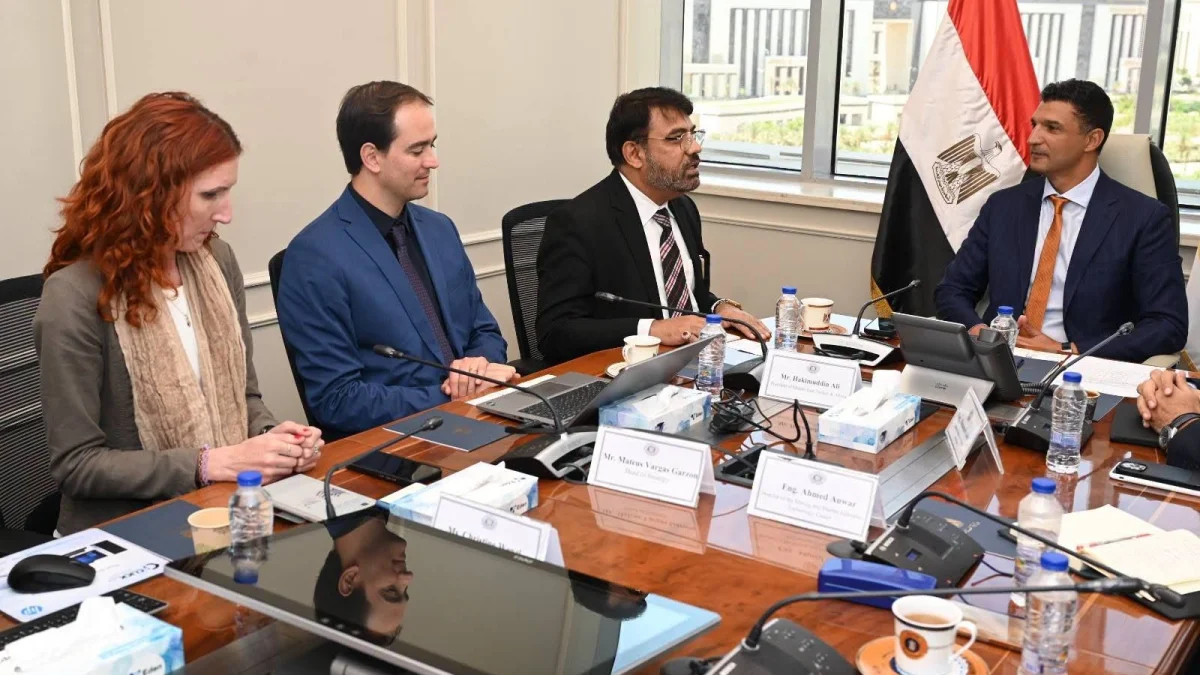
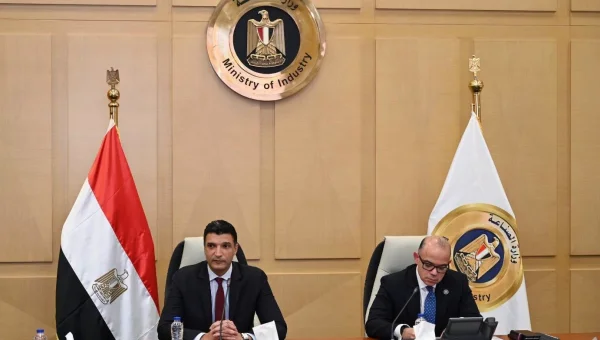
Egypt is positioning itself to attract another global investment that could reshape local manufacturing. RHI Magnesita, the international refractory maker, is studying the establishment of its first integrated production plant in the Egyptian market, a move that would strengthen local supply chains for the metal and engineering industries that the automotive sector relies on. The company's regional president for the Middle East, Turkey and Africa presented the project's roadmap during a meeting with Industry Minister Khaled Hashem.
Investment Plans and Strategic Alignment
The meeting covered the company's global operations and its recent expansions through acquisitions in Asia, with clear signals about Egypt's appeal. Officials including Mohamed Zada, assistant minister for strategic industries, attended the discussions which focused on implementation opportunities and the company's investment plans. The minister emphasized that the project aligns with Egypt's 2030 industrial strategy. That prioritizes localization of complementary industries and the transfer of modern technology.
Refractories are strategic industrial components used in furnaces and production lines for iron, steel, aluminum, copper and glass. These sectors form the base for producing various automotive parts, from metal structures to different engineering components. Localizing this industry directly supports increasing the local content ratio in the automotive sector, a long-standing goal for the Egyptian government. The availability of high-purity raw materials and Egypt's strategic location were cited as decisive factors in the company's interest.
Export Hub Ambitions and Market Impact
The proposed plant won't only cater to domestic demand. The vision extends to making Egypt a regional hub for manufacturing and exporting refractories to Middle East and African markets. This would bolster heavy and engineering industries while supporting the state's broader plans to expand local manufacturing, including أوبل operations in the country.
Industry watchers see this as a step toward reducing import dependency for high-value industrial sectors. The company's regional leadership confirmed that Egypt offers one of the most promising market opportunities in the region, thanks to its natural resources and growing industrial base. With the ongoing global shifts in supply chains, this investment could position Egypt as a key player in the regional automotive ecosystem. The next phase will involve detailed feasibility studies and regulatory approvals.
Related News
View All News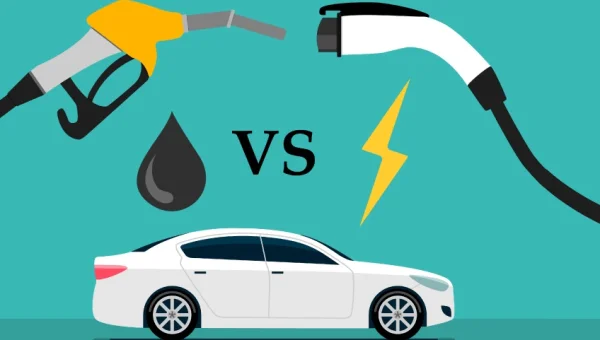
One Million Pounds: Petrol, Electric, or Hybrid? Your Buying Guide
Presenter Hesham El-Zeiny has raised the key question for buyers with a one-million-pound budget: petrol, electric, hybrid, or range-extender? On Radio Egypt's «Arabeyti» program, he stressed that the decision depends…
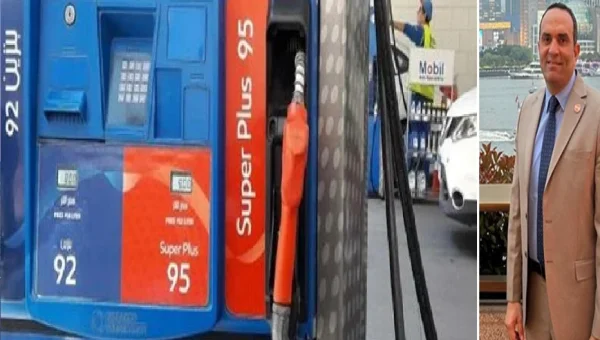
95 Octane for European Cars, 92 for Chinese: El-Hennawy Explains the Optimal Fuel Choice
Automotive maintenance expert Mohamed El-Hennawy revealed that modern European cars built to Euro 6 standards are best run on 95 octane fuel, while most Chinese cars in the Egyptian market…
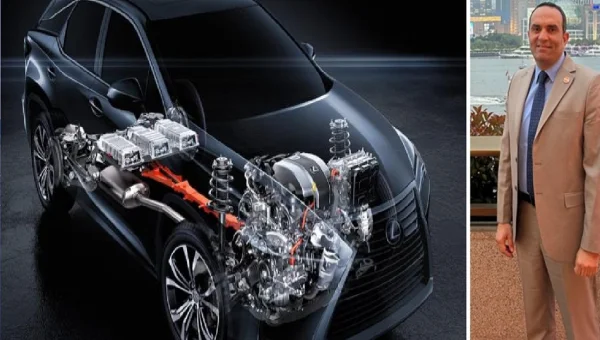
Why a Maintenance Expert Recommends Hybrids for One-Car Families
Car maintenance expert Mohamed El-Hennawy advised families owning a single vehicle to choose hybrid or plug-in hybrid models over full electric cars. These vehicles combine a petrol engine with an…
Egypt Offers New Billet Licenses to Boost Local Auto Components
Egypt's industry and investment ministers met with major steel producers including Ezz Steel, Beshay, and El-Masreyin to address billet availability challenges. The government announced new billet production licenses with price…
Mercedes Leads European Car Registrations in Egypt with 6,628 Units in 9 Months
Mercedes topped the list of European brands with the most vehicle registrations in Egypt during the first nine months of 2026, recording 6,628 units. Skoda came second with 6,227 vehicles,…

