

Egypt's Military Production and Supply Ministries Push for Local Manufacturing Expansion, Auto Sector in Focus
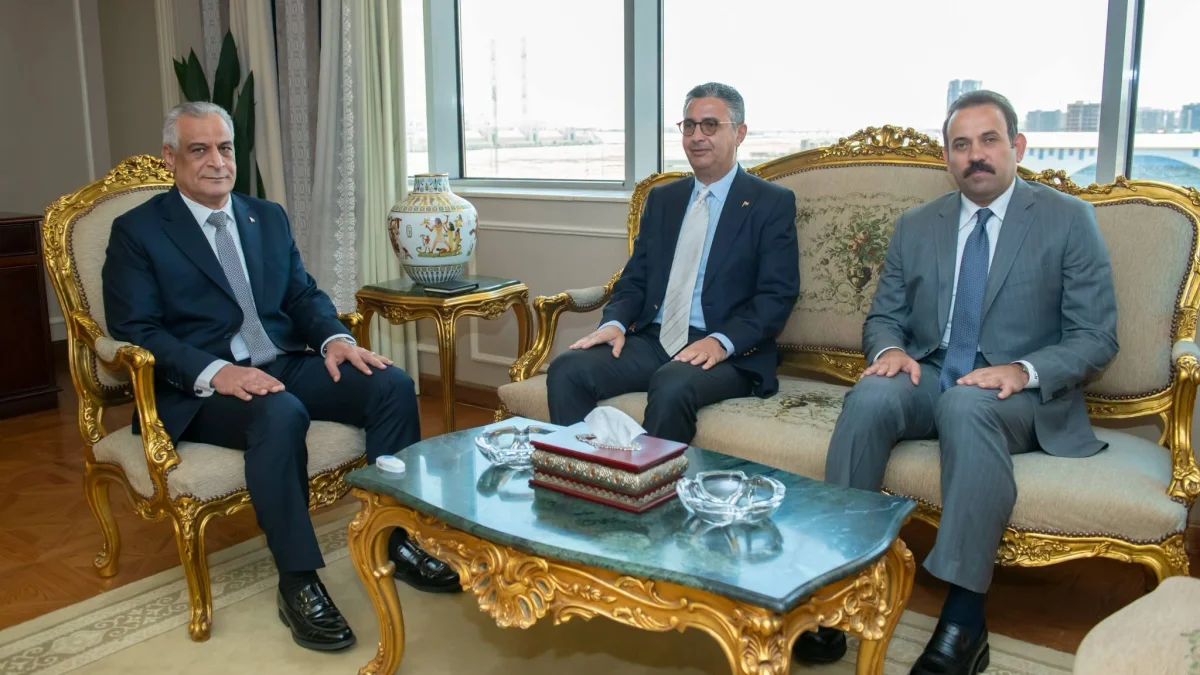
Officials from Egypt's Ministry of Military Production, the Ministry of Supply and Internal Trade. The Future of Egypt Development Agency met at the New Administrative Capital. The meeting had a clear target: expanding local manufacturing and localizing production inputs for major national projects. This was more than a routine coordination session.
Attendees included Engineer Salah Soliman Gemblati, Minister of State for Military Production, Dr. Sherif Farouk, Minister of Supply and Internal Trade, and Dr. Bahaa El-Ghannam, Executive Director of the Future of Egypt Development Agency. Discussions focused on how to leverage national engineering and manufacturing capabilities to strengthen supply chains and support strategic projects.
A Massive Industrial Base
The numbers tell the story. The Military Production Ministry operates around 260 production lines, alongside accredited laboratories, advanced operational capabilities, and qualified human resources. The Minister of State for Military Production confirmed that some of these capabilities can be redirected toward priority national projects in the current phase.
Production areas include automated and semi-automated bakeries, water pumps and submersible pumps, as well as electric generators. These civilian products represent a broad segment of the Ministry's work, and they intersect directly with the needs of several domestic industries.
The Automotive Sector's Big Opportunity
Here's the key question: how can Egypt's automotive industry benefit from this shift? Strengthening local manufacturing capabilities and developing supply chains can positively impact the auto sector, especially as the state pushes toward increasing the percentage of locally manufactured components instead of relying entirely on imports. Military Production companies have expertise in engineering manufacturing, production line operation. Spare parts and maintenance production — fields that directly intersect with the automotive sector's needs, whether in production components, equipment, or after-sales services.
Expanding cooperation with the private sector is part of this broader strategy. Broadening the local manufacturing base doesn't just affect targeted sectors directly; it creates opportunities for other industries that rely on locally engineered components and products, particularly the car industry and its parts.
Related News
View All News
One Million Pounds: Petrol, Electric, or Hybrid? Your Buying Guide
Presenter Hesham El-Zeiny has raised the key question for buyers with a one-million-pound budget: petrol, electric, hybrid, or range-extender? On Radio Egypt's «Arabeyti» program, he stressed that the decision depends…
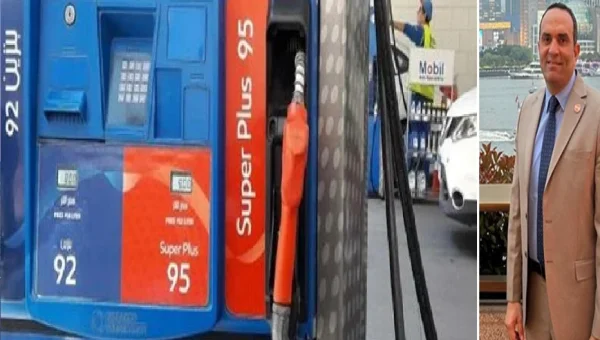
95 Octane for European Cars, 92 for Chinese: El-Hennawy Explains the Optimal Fuel Choice
Automotive maintenance expert Mohamed El-Hennawy revealed that modern European cars built to Euro 6 standards are best run on 95 octane fuel, while most Chinese cars in the Egyptian market…
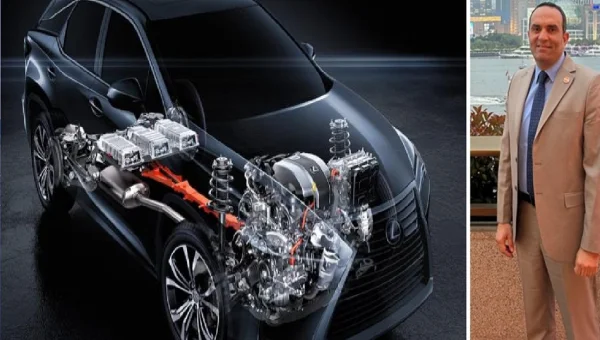
Why a Maintenance Expert Recommends Hybrids for One-Car Families
Car maintenance expert Mohamed El-Hennawy advised families owning a single vehicle to choose hybrid or plug-in hybrid models over full electric cars. These vehicles combine a petrol engine with an…
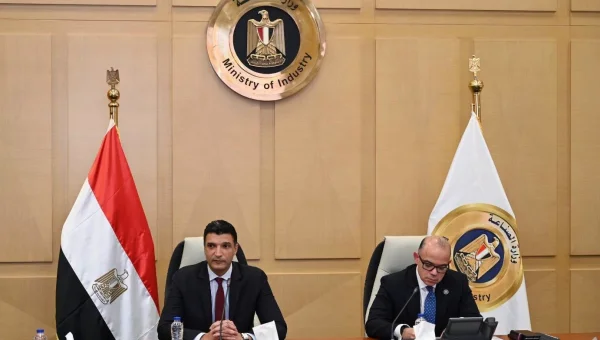
Egypt Offers New Billet Licenses to Boost Local Auto Components
Egypt's industry and investment ministers met with major steel producers including Ezz Steel, Beshay, and El-Masreyin to address billet availability challenges. The government announced new billet production licenses with price…

Mercedes Leads European Car Registrations in Egypt with 6,628 Units in 9 Months
Mercedes topped the list of European brands with the most vehicle registrations in Egypt during the first nine months of 2026, recording 6,628 units. Skoda came second with 6,227 vehicles,…

