

Egypt's Maritime Leap Reshapes Auto Trade and Regional Logistics
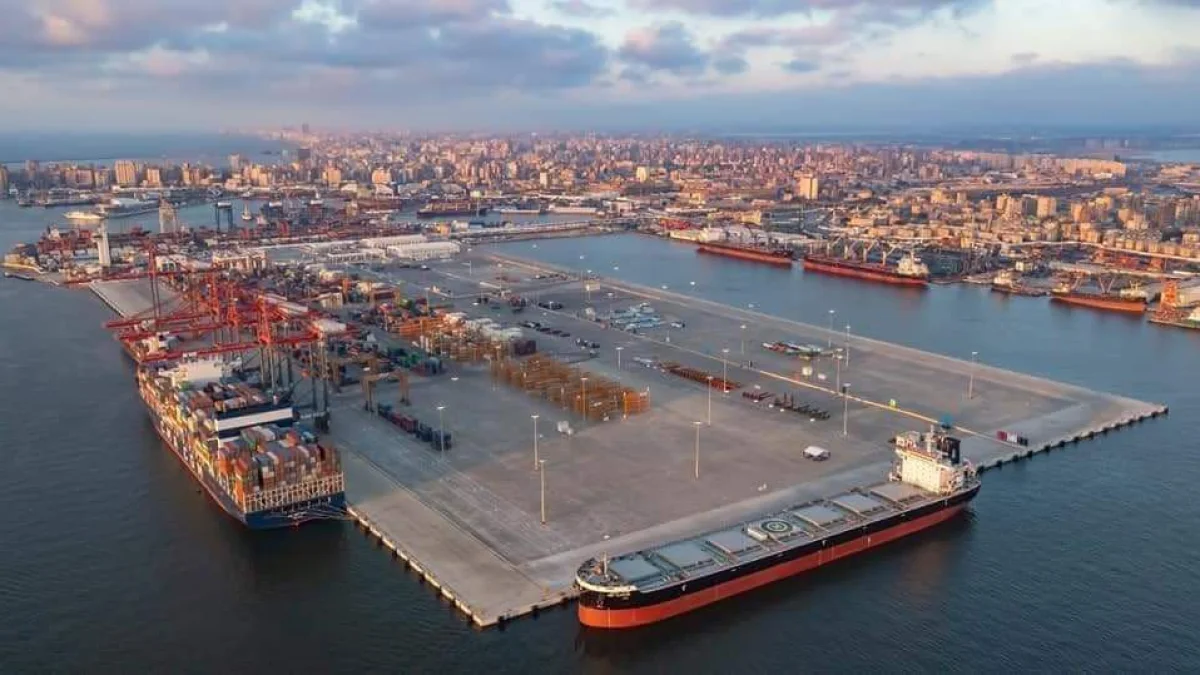
Egypt is climbing the ranks of global trade. The country topped the African continent in the maritime shipping connectivity index during the second quarter of 2026, according to data from the United Nations Conference on Trade and Development (UNCTAD). The achievement reflects ongoing developments in Egyptian ports and their ability to integrate effectively into international maritime trade networks.
Infrastructure Paving the Way for the Auto Sector
Egypt capitalizes on its strategic geographic position, operating 19 commercial ports along the Mediterranean and Red Seas. The state's plan focuses on upgrading port infrastructure and boosting operational efficiency, strengthening its capacity to handle global trade flows and connect regional and international markets. The integrated development projects extend beyond seaports to link them with an advanced network of roads, logistics corridors, dry ports. Logistics zones, including 33 dry ports planned across 7 developmental logistics corridors.
The significance for the automotive and transport sector is evident. Car manufacturing relies on integrated supply chains to move vehicles, components. Production materials from manufacturing hubs to markets or through ports to external buyers. The new infrastructure cuts cargo handling time and enhances operational efficiency noticeably.
Growth Numbers Reflect Operational Success
Development projects have translated directly into operational growth. Egyptian Maritime Ports Company, the commercial arm of the transport ministry responsible for establishing, managing, and operating cargo handling stations in Egyptian ports, recorded a 22% increase in cargo volume during the first half of 2026 compared to the same period last year.
Even more striking is the performance of the Rail Container Shuttle (RCS) station. Cargo volume there surged by 354% during the first half of 2026 compared to the corresponding period of the previous year. This rapid growth signals Egypt's push to strengthen rail transport for containers and goods alongside maritime and road transport.
The bigger picture carries strategic weight. Multi-modal transport boosts supply chain efficiency and supports an integrated system capable of serving the car trade more effectively. This ecosystem is transforming Egypt from a mere geographic location into a genuine regional hub for trade and logistics services, opening wider horizons for car manufacturers and exporters across the region.
Related News
View All News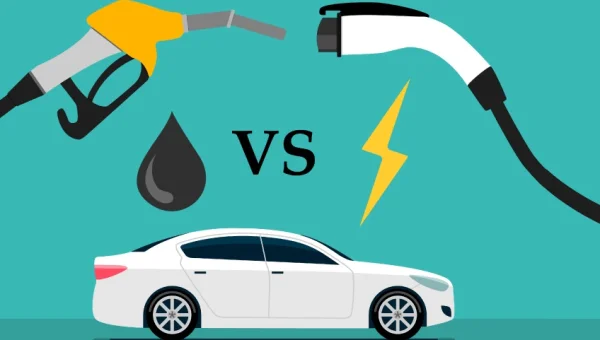
One Million Pounds: Petrol, Electric, or Hybrid? Your Buying Guide
Presenter Hesham El-Zeiny has raised the key question for buyers with a one-million-pound budget: petrol, electric, hybrid, or range-extender? On Radio Egypt's «Arabeyti» program, he stressed that the decision depends…
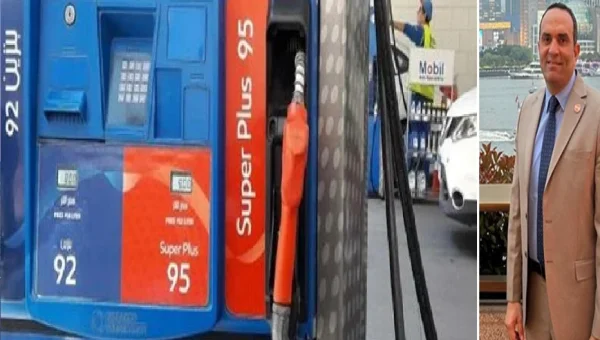
95 Octane for European Cars, 92 for Chinese: El-Hennawy Explains the Optimal Fuel Choice
Automotive maintenance expert Mohamed El-Hennawy revealed that modern European cars built to Euro 6 standards are best run on 95 octane fuel, while most Chinese cars in the Egyptian market…
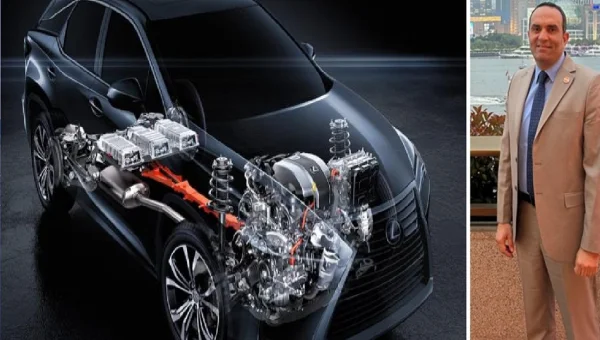
Why a Maintenance Expert Recommends Hybrids for One-Car Families
Car maintenance expert Mohamed El-Hennawy advised families owning a single vehicle to choose hybrid or plug-in hybrid models over full electric cars. These vehicles combine a petrol engine with an…

Egypt Offers New Billet Licenses to Boost Local Auto Components
Egypt's industry and investment ministers met with major steel producers including Ezz Steel, Beshay, and El-Masreyin to address billet availability challenges. The government announced new billet production licenses with price…

Mercedes Leads European Car Registrations in Egypt with 6,628 Units in 9 Months
Mercedes topped the list of European brands with the most vehicle registrations in Egypt during the first nine months of 2026, recording 6,628 units. Skoda came second with 6,227 vehicles,…

