

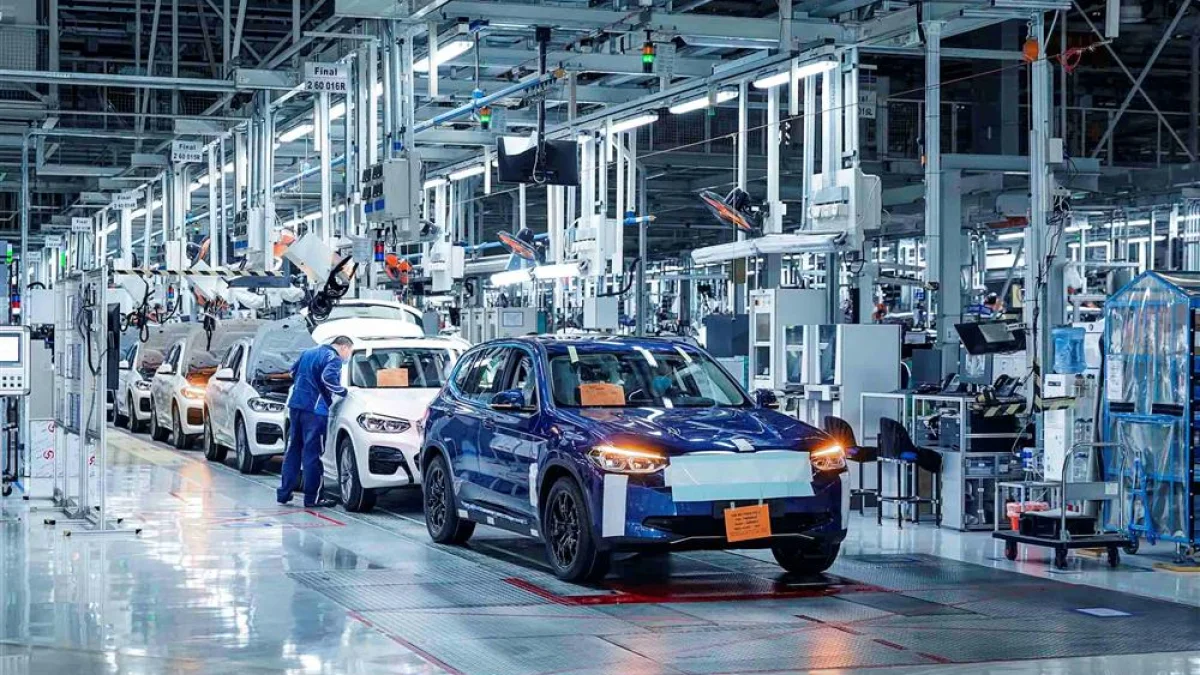
Egypt's Industry Ministry Identifies 5 Challenges Behind Car Price Hikes and a Swift Action Plan
Five core issues are driving up the cost of automotive feeding industries in Egypt. Engineer Alaa Salah El-Din, head of the Automotive Industry Unit at the Ministry of Industry and supervisor of the national program for developing the automotive industry and deepening local component manufacturing, revealed these challenges during an interview on the 'Arabety' program broadcast on Egypt Radio. He stressed that addressing this file represents one of the most critical keys to reducing a car's final price in the local market.
Extensive Meetings with Manufacturers
The ministry didn't just observe the problem. Intensive meetings were held with the Feeding Industries Division at the Federation of Egyptian Industries, with manufacturers present alongside representatives from the Supreme Council for Automobiles and the Ministry of Finance. The aim was to examine the reasons behind rising production costs in detail. These gatherings brought together every party in the supply chain, from raw material suppliers to final assembly lines.
The number is surprising. The five challenges have been precisely identified, with the increase in raw material prices topping the list as the backbone of the feeding industry. The relevant team is currently developing practical solutions to overcome these obstacles, with a clear focus on incentivizing companies to boost local production rather than relying on imports.
Direct Impact on Final Prices
The final cost of a car in Egypt is heavily influenced by the prices of feeding industry products, which explains the government's intense focus on this file right now. Developing these industries isn't just a support measure for manufacturers; it also boosts the local component ratio and enhances the competitiveness of locally produced cars in regional and global markets.
The current landscape points to tangible movement on reducing component costs in the coming period. Egypt's automotive sector is eagerly awaiting the outcomes of these meetings, especially with officials confirming that incentivizing companies to increase production is a top priority within the national program. Plenty of promises are on the table; execution is what the market ultimately cares about.
Related News
View All News
One Million Pounds: Petrol, Electric, or Hybrid? Your Buying Guide
Presenter Hesham El-Zeiny has raised the key question for buyers with a one-million-pound budget: petrol, electric, hybrid, or range-extender? On Radio Egypt's «Arabeyti» program, he stressed that the decision depends…
95 Octane for European Cars, 92 for Chinese: El-Hennawy Explains the Optimal Fuel Choice
Automotive maintenance expert Mohamed El-Hennawy revealed that modern European cars built to Euro 6 standards are best run on 95 octane fuel, while most Chinese cars in the Egyptian market…
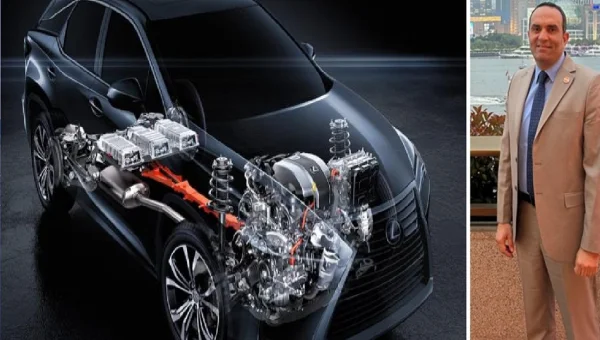
Why a Maintenance Expert Recommends Hybrids for One-Car Families
Car maintenance expert Mohamed El-Hennawy advised families owning a single vehicle to choose hybrid or plug-in hybrid models over full electric cars. These vehicles combine a petrol engine with an…
Egypt Offers New Billet Licenses to Boost Local Auto Components
Egypt's industry and investment ministers met with major steel producers including Ezz Steel, Beshay, and El-Masreyin to address billet availability challenges. The government announced new billet production licenses with price…
Mercedes Leads European Car Registrations in Egypt with 6,628 Units in 9 Months
Mercedes topped the list of European brands with the most vehicle registrations in Egypt during the first nine months of 2026, recording 6,628 units. Skoda came second with 6,227 vehicles,…

