

From Components to Complete Cars: Egypt's Plan to Localize Auto Industry and Cut Prices
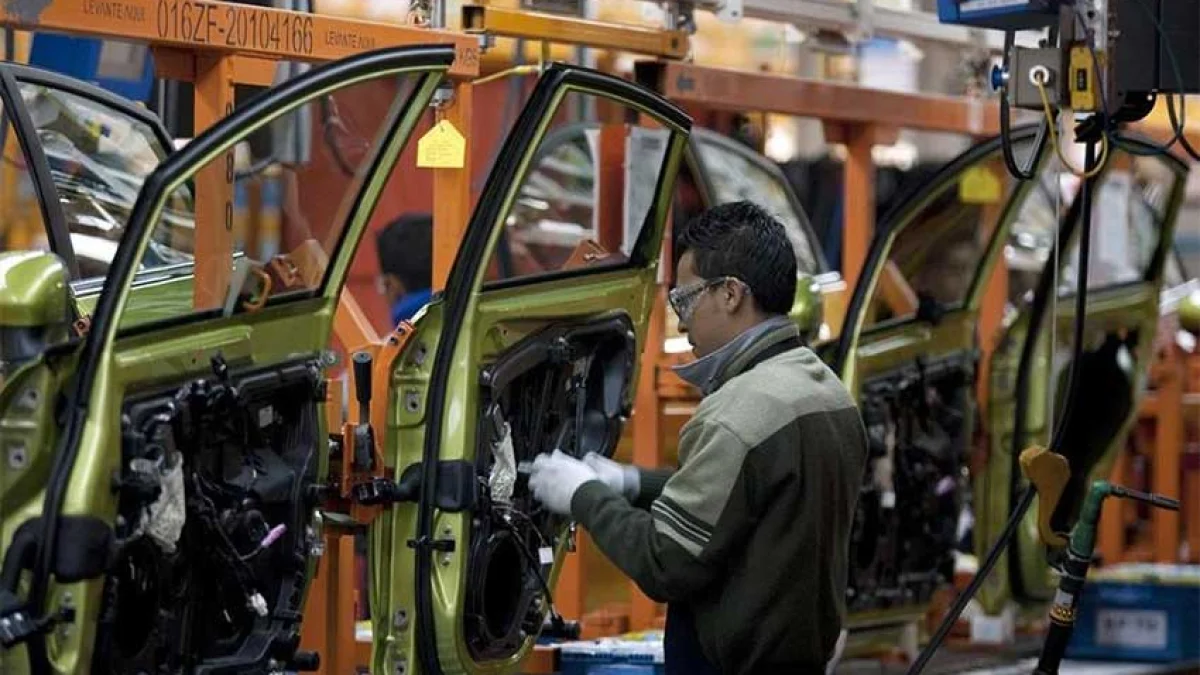
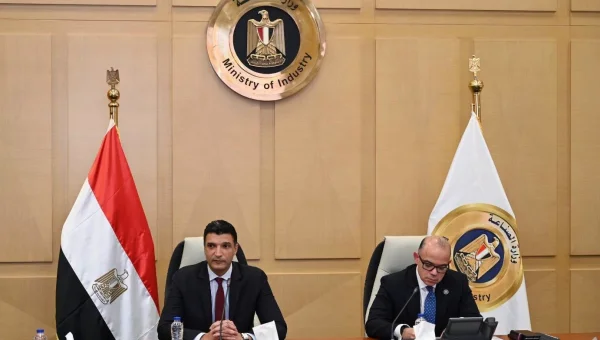
Egypt's Ministry of Industry is working on an integrated plan to localize car manufacturing by deepening local component use and supporting feeder industries. The plan aims to identify challenges facing manufacturers, such as high raw material costs, and boost local production through new incentives. Lower car prices are linked to increased production volume, allowing fixed costs to be spread across more units. The plan includes coordination with the Ministry of Finance and the Federation of Industries to study mechanisms that encourage consumer purchases.
Egypt's Ministry of Industry has unveiled an integrated plan to localize automobile manufacturing, starting with deepening local component production and moving toward complete locally-built cars, aiming to reduce production costs and final consumer prices. The plan includes identifying 5 key challenges facing feeder industries, most notably rising raw material prices, with practical solutions being developed in coordination with the Ministry of Finance and the Supreme Council for Automobiles.
Why Local Components Hold the Key to Lower Prices?
The numbers reveal the scale of the challenge. The cost of feeder industries represents one of the main files affecting the final price of a car, according to Eng. Alaa Salah El-Din, Head of the Automobile Industry Unit at the Ministry of Industry and supervisor of the National Program for Developing the Automobile Industry. Rising raw material prices pressure local manufacturers, directly impacting the final consumer bill.
Intense meetings were held by the ministry with the Feeder Industries Division at the Federation of Industries, attended by manufacturers and representatives from the Ministry of Finance. The goal is clear: reduce the cost of locally produced components and incentivize companies to increase production. But what does that mean practically for the Egyptian consumer? Every percentage added to local manufacturing means a decline in the import bill. An improved ability for the industry to face global market fluctuations and currency prices.
Production Volume: The Decisive Equation
Lowering car prices is linked to increasing production volume; it's a simple but effective economic equation. Higher production volume allows fixed costs to be distributed across a larger number of cars, significantly reducing the production cost per vehicle. The Ministry of Industry is working to support companies in expanding production lines, increasing manufacturing capacity. Incentivizing new investments in the sector.
The National Program for Developing the Automobile Industry represents the broader framework for these moves, offering incentives targeting manufacturers directly and encouraging them to invest and deepen local component use. Early indicators suggest these policies could reshape Egypt's market landscape in the coming years. Locally produced cars may see gradual price declines, especially as local manufacturing ratios rise and the supplier base expands. The road remains long, but the direction is now clear with tangible executive decisions.
Frequently Asked Questions
2 questions answered
Related News
View All News
One Million Pounds: Petrol, Electric, or Hybrid? Your Buying Guide
Presenter Hesham El-Zeiny has raised the key question for buyers with a one-million-pound budget: petrol, electric, hybrid, or range-extender? On Radio Egypt's «Arabeyti» program, he stressed that the decision depends…
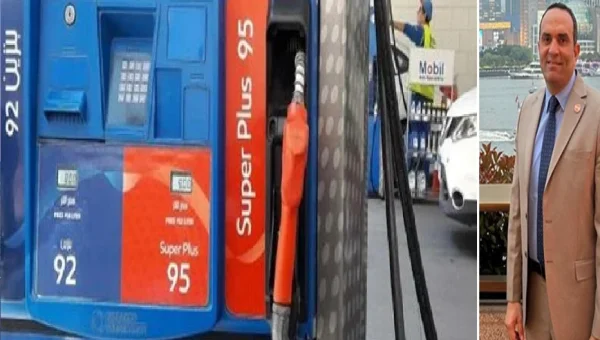
95 Octane for European Cars, 92 for Chinese: El-Hennawy Explains the Optimal Fuel Choice
Automotive maintenance expert Mohamed El-Hennawy revealed that modern European cars built to Euro 6 standards are best run on 95 octane fuel, while most Chinese cars in the Egyptian market…
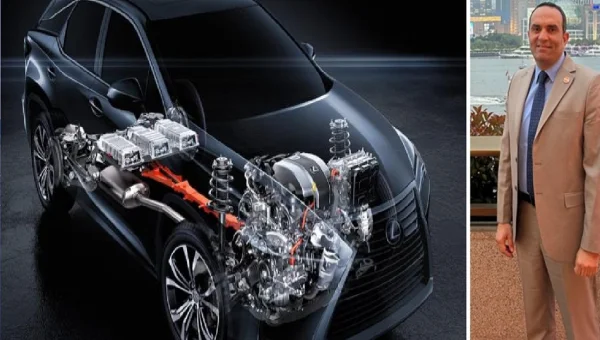
Why a Maintenance Expert Recommends Hybrids for One-Car Families
Car maintenance expert Mohamed El-Hennawy advised families owning a single vehicle to choose hybrid or plug-in hybrid models over full electric cars. These vehicles combine a petrol engine with an…
Egypt Offers New Billet Licenses to Boost Local Auto Components
Egypt's industry and investment ministers met with major steel producers including Ezz Steel, Beshay, and El-Masreyin to address billet availability challenges. The government announced new billet production licenses with price…
Mercedes Leads European Car Registrations in Egypt with 6,628 Units in 9 Months
Mercedes topped the list of European brands with the most vehicle registrations in Egypt during the first nine months of 2026, recording 6,628 units. Skoda came second with 6,227 vehicles,…

