

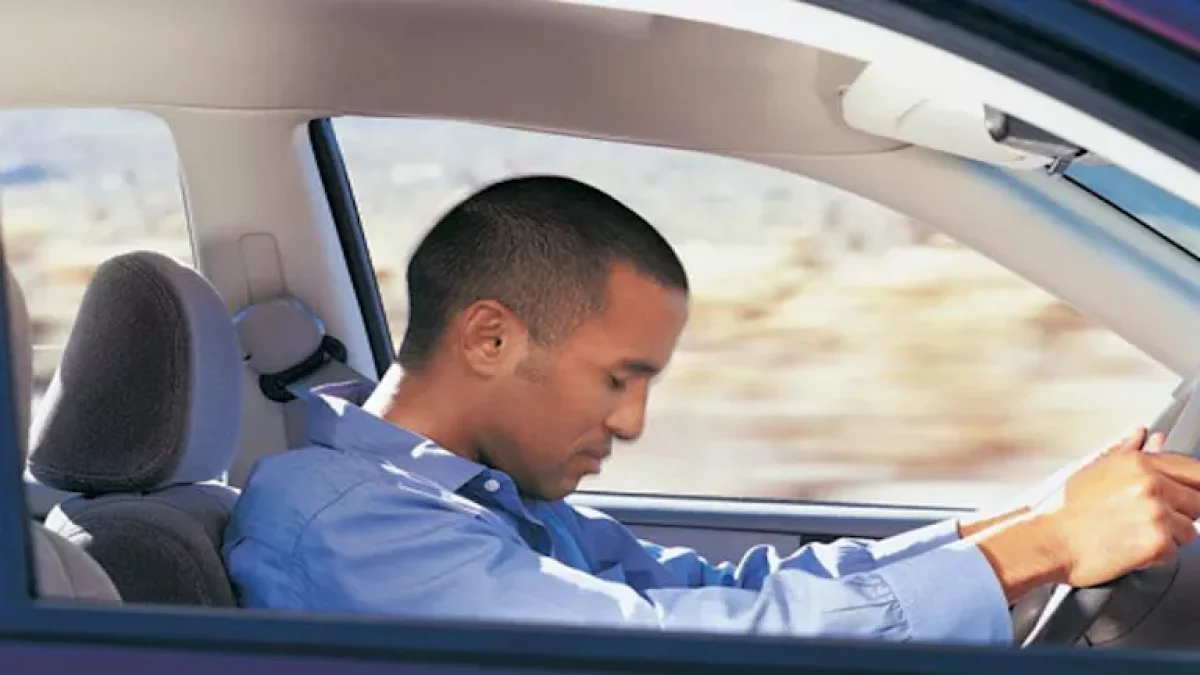
One-Second Drowsiness at 100 km/h Means 28 Meters Blind — The Real Lesson from Bahaa Sultan Accident
The Bahaa Sultan highway accident has reignited critical discussions about drowsy driving risks in Egypt. A single second of microsleep at 100 km/h results in the car traveling approximately 28 meters without driver control. European automobile club ACE experts emphasize recognizing early warning signs such as persistent yawning and burning eyes. Drivers experiencing fatigue should stop immediately and rest for at least 20 minutes to safely resume their journey.
The accident involving Egyptian artist Bahaa Sultan on the Wadi El Natrun - Alamein road has put the spotlight firmly on one of the deadliest hazards on modern highways. How many meters does your car travel in a single second if you briefly close your eyes while driving? The answer from the European automobile club ACE is a chilling one, as a vehicle cruising at 100 km/h covers roughly 28 meters during just one second of unintended sleep behind the wheel.
Bahaa Sultan Crash: Conflicting Reports Emerge
Dr. Ibrahim Harb, director of Alamein Hospital, stated that the accident resulted from severe fatigue and lack of sleep, causing Sultan to momentarily doze off while driving, with the car reportedly hitting a wall before emergency services rushed the artist to hospital. That narrative was firmly rejected by Bahaa Sultan's business manager, Abdelrahman Bejato, who insisted the driver — not the singer — was in control of the vehicle. Bejato stated that the accident scene involved the car flipping over after colliding with a tow truck on the highway, rather than any fatigue-related lapse by Sultan himself.
The Numbers Behind Drowsy Driving Crashes
Beyond the public debate about what exactly happened on that desert road, the underlying issue of driver fatigue remains an undisputed killer on global highways. Experts from the ACE European automobile club have repeatedly warned that a mere one-second eyelid closure at typical highway speeds translates into a staggering 28 meters of unsupervised vehicle movement. That distance alone is more than enough to turn a routine drive into a catastrophic collision, should an obstacle, curve, or stopped vehicle appear within that unforgiving span, making drowsy driving just as dangerous as driving under the influence of alcohol.
Recognizing the Warning Signs Before It's Too Late
The human body sends out clear signals before a full microsleep episode takes over. Recognizing these early alerts could be the difference between arriving safely and becoming a statistic. Persistent yawning is usually the first noticeable indicator, quickly followed by reduced attention span and a burning sensation in the eyes, symptoms frequently cited in comprehensive road safety studies. Blurred or double vision, along with what experts call tunnel vision where peripheral sight narrows dangerously, serve as critical warnings that your ability to operate a vehicle safely has been severely compromised.
The 20-Minute Rule: Your Lifeline on Long Drives
So what exactly should a driver do when these unmistakable signs of fatigue begin to surface hundreds of kilometers away from the nearest city? The professional consensus is refreshingly straightforward: pull over immediately at the next rest area, safe shoulder, or designated parking spot, no matter how urgent your schedule might be. Drivers should then take a break lasting at least 20 minutes, ideally incorporating a short nap to allow the brain to reset and restore full cognitive function before continuing the journey. Ignoring these warning signals is a gamble no driver can afford, as experts from the European automobile club ACE stress that fatigue is a physiological reality, not a sign of weakness or endurance. The 28-meter figure represents a silent distance your car travels without you. That single number should serve as a constant reminder for everyone who gets behind the wheel to prioritize rest over speed — because arriving late is infinitely better than not arriving at all.
Frequently Asked Questions
3 questions answered
Related News
View All News
One Million Pounds: Petrol, Electric, or Hybrid? Your Buying Guide
Presenter Hesham El-Zeiny has raised the key question for buyers with a one-million-pound budget: petrol, electric, hybrid, or range-extender? On Radio Egypt's «Arabeyti» program, he stressed that the decision depends…
95 Octane for European Cars, 92 for Chinese: El-Hennawy Explains the Optimal Fuel Choice
Automotive maintenance expert Mohamed El-Hennawy revealed that modern European cars built to Euro 6 standards are best run on 95 octane fuel, while most Chinese cars in the Egyptian market…
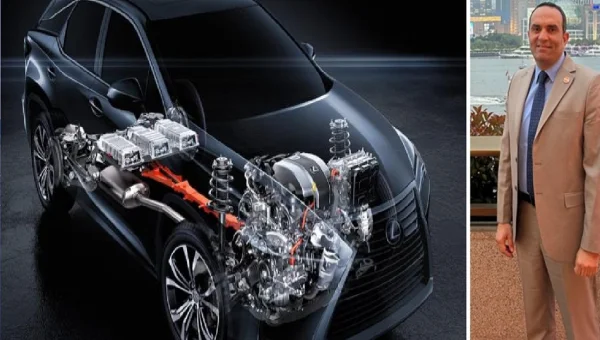
Why a Maintenance Expert Recommends Hybrids for One-Car Families
Car maintenance expert Mohamed El-Hennawy advised families owning a single vehicle to choose hybrid or plug-in hybrid models over full electric cars. These vehicles combine a petrol engine with an…

Egypt Offers New Billet Licenses to Boost Local Auto Components
Egypt's industry and investment ministers met with major steel producers including Ezz Steel, Beshay, and El-Masreyin to address billet availability challenges. The government announced new billet production licenses with price…
Mercedes Leads European Car Registrations in Egypt with 6,628 Units in 9 Months
Mercedes topped the list of European brands with the most vehicle registrations in Egypt during the first nine months of 2026, recording 6,628 units. Skoda came second with 6,227 vehicles,…

