

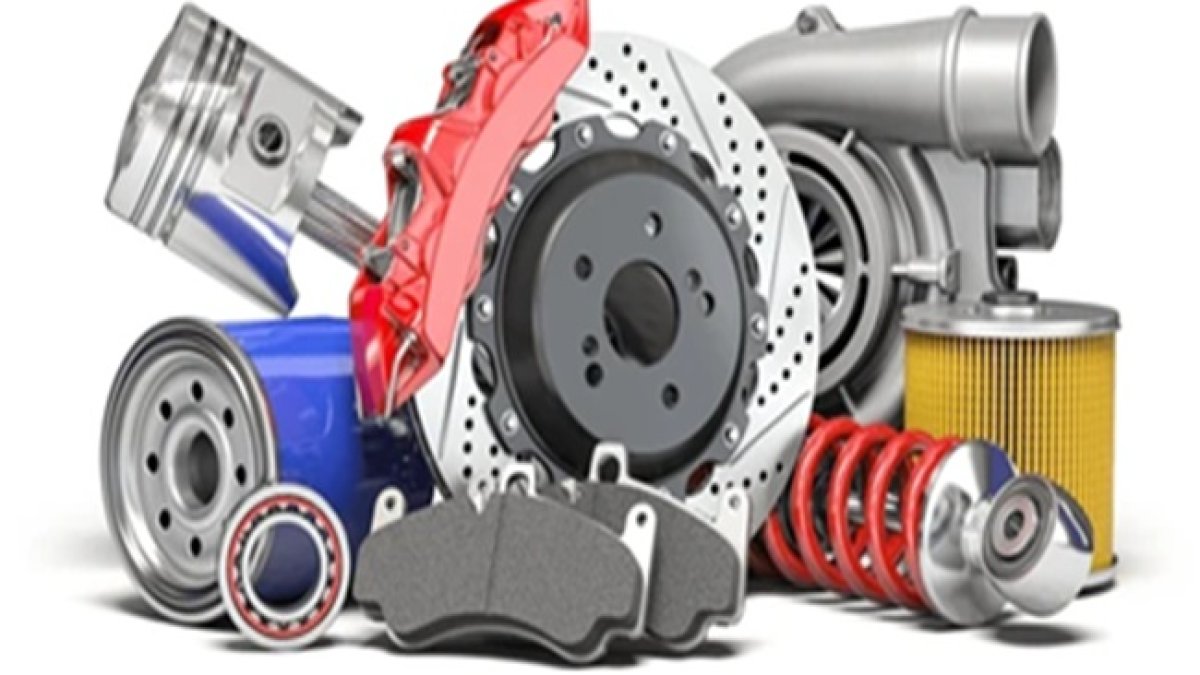
When Should You Replace Key Car Components? Lifespan Guide for Spark Plugs, Batteries, Tires and More
Many drivers believe vehicle maintenance is limited to changing the engine oil, but in reality almost every component in a car has a defined service life that should be monitored before it becomes a source of unexpected breakdowns or safety risks.
With the rising cost of spare parts and maintenance in recent years, following inspection and replacement schedules has become more important than ever, helping owners maintain vehicle performance while avoiding costly repairs and potential accidents.
Spark Plugs: The Engine’s Ignition Source
Spark plugs play a critical role in igniting the air-fuel mixture inside the combustion chamber. Their lifespan varies by type, with conventional spark plugs typically requiring replacement every 30,000 to 50,000 kilometers, while modern iridium plugs can last up to around 100,000 kilometers.
Common signs of worn spark plugs include reduced acceleration, hard starting, increased fuel consumption, and engine vibration.
Air Filter: The Engine’s First Line of Defense
The air filter prevents dust and contaminants from entering the engine. It is generally recommended to replace it every 15,000 to 20,000 kilometers, particularly in dusty environments.
Ignoring replacement intervals can lead to reduced performance, higher fuel consumption, and lower combustion efficiency.
Engine Oil and Oil Filter
Engine oil change intervals vary depending on the oil type and driving conditions, but most modern oils typically require replacement every 5,000 to 10,000 kilometers.
The oil filter should also be replaced during nearly every maintenance cycle to preserve lubrication efficiency and minimize engine wear.
Brake Pads: Don’t Wait for the Squeal
Brake pad lifespan generally ranges from 30,000 to 70,000 kilometers, depending on driving style and road conditions.
Aggressive driving and frequent stop-and-go traffic can significantly reduce their lifespan. Warning signs of wear include squealing noises, reduced braking performance, and vehicle vibration while stopping.
Battery: Affected by Climate and Usage
A car battery typically lasts between two and five years, depending on quality, temperature conditions, and usage patterns.
High temperatures can have a significant impact on battery performance, while common signs of a weakening battery include slow starting, dim lights, and difficulty starting the vehicle in the morning.
Tires: The Only Contact Point with the Road
Tires are among the most safety-critical components in any vehicle, serving as the only point of contact between the car and the road surface.
Related News
View All News
One Million Pounds: Petrol, Electric, or Hybrid? Your Buying Guide
Presenter Hesham El-Zeiny has raised the key question for buyers with a one-million-pound budget: petrol, electric, hybrid, or range-extender? On Radio Egypt's «Arabeyti» program, he stressed that the decision depends…
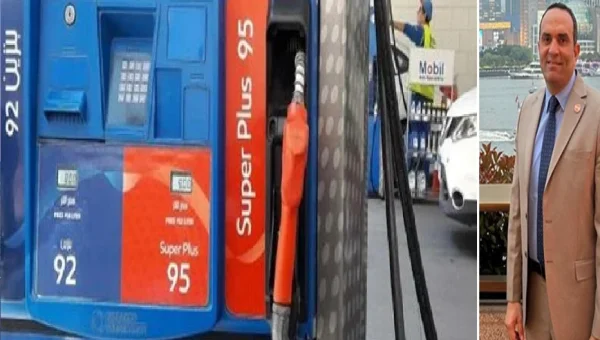
95 Octane for European Cars, 92 for Chinese: El-Hennawy Explains the Optimal Fuel Choice
Automotive maintenance expert Mohamed El-Hennawy revealed that modern European cars built to Euro 6 standards are best run on 95 octane fuel, while most Chinese cars in the Egyptian market…
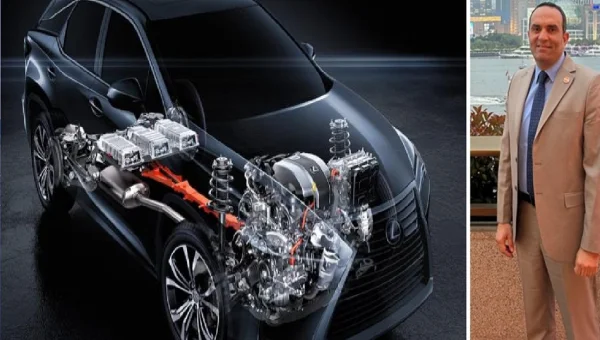
Why a Maintenance Expert Recommends Hybrids for One-Car Families
Car maintenance expert Mohamed El-Hennawy advised families owning a single vehicle to choose hybrid or plug-in hybrid models over full electric cars. These vehicles combine a petrol engine with an…

Egypt Offers New Billet Licenses to Boost Local Auto Components
Egypt's industry and investment ministers met with major steel producers including Ezz Steel, Beshay, and El-Masreyin to address billet availability challenges. The government announced new billet production licenses with price…

Mercedes Leads European Car Registrations in Egypt with 6,628 Units in 9 Months
Mercedes topped the list of European brands with the most vehicle registrations in Egypt during the first nine months of 2026, recording 6,628 units. Skoda came second with 6,227 vehicles,…

