


Automobile Dealers Association: Higher Shipping and Insurance Costs Are Driving Vehicle Price Increases, Not Dealers
Osama Abu El Magd, Chairman of the Automobile Dealers Association and Deputy Head of the Automotive Division at the General Federation of Chambers of Commerce, said that the largest share of current pricing pressure in the automotive market is being driven by higher freight charges and transportation insurance costs. He stressed that these rising logistics expenses are the primary factors increasing vehicle prices, rather than pricing decisions made by dealers or distributors. According to his remarks, higher transportation-related costs are directly reflected in the final price paid by consumers.
Energy Market Volatility Raises Automotive Costs
Abu El Magd explained that disruptions in global energy markets have placed additional pressure on the automotive sector. He noted that the price of a barrel of oil climbed from 65 dollars to more than 100 dollars, resulting in immediate increases in production, supply chain, and distribution costs. These higher operating expenses have affected vehicle imports and transportation, contributing directly to higher prices across the market.
Lower Vehicle Supply Adds Further Pressure
He also pointed out that exchange rate fluctuations, combined with regulatory decisions, have reduced the number of vehicles available in the market. This has created a contraction in supply compared with existing demand, placing additional upward pressure on vehicle prices. He said the imbalance between supply and demand has become one of the key factors influencing current market pricing.
Abu El Magd added that the Egyptian market has an annual absorption capacity of 300,000 vehicles, evenly divided between 150,000 fully imported vehicles and 150,000 locally assembled vehicles. He emphasized that any disruption affecting one of the five key market drivers has a direct impact on final vehicle prices. He also rejected claims that dealers or distributors are responsible for setting or driving price increases, stating that economic conditions, shipping costs, insurance expenses, production costs, and related market factors remain the primary forces shaping automotive pricing.
Related News
View All News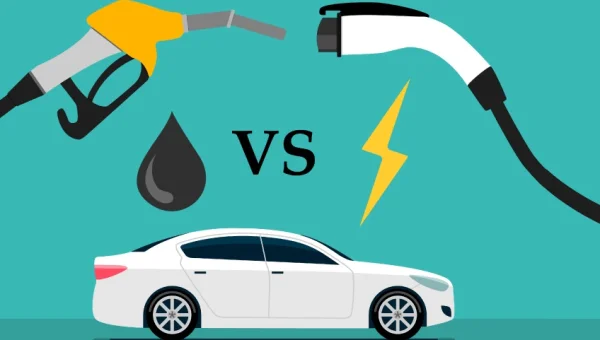
One Million Pounds: Petrol, Electric, or Hybrid? Your Buying Guide
Presenter Hesham El-Zeiny has raised the key question for buyers with a one-million-pound budget: petrol, electric, hybrid, or range-extender? On Radio Egypt's «Arabeyti» program, he stressed that the decision depends…
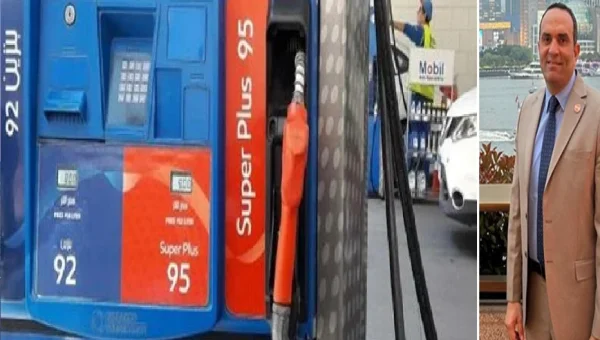
95 Octane for European Cars, 92 for Chinese: El-Hennawy Explains the Optimal Fuel Choice
Automotive maintenance expert Mohamed El-Hennawy revealed that modern European cars built to Euro 6 standards are best run on 95 octane fuel, while most Chinese cars in the Egyptian market…
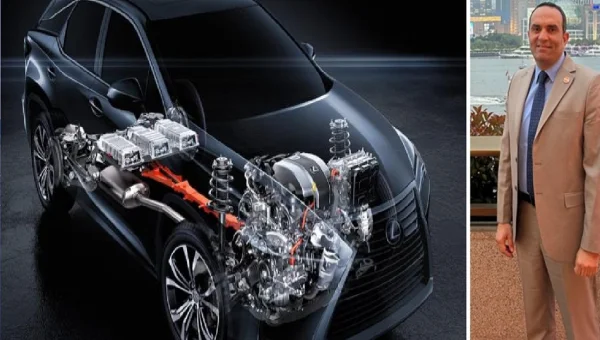
Why a Maintenance Expert Recommends Hybrids for One-Car Families
Car maintenance expert Mohamed El-Hennawy advised families owning a single vehicle to choose hybrid or plug-in hybrid models over full electric cars. These vehicles combine a petrol engine with an…

Egypt Offers New Billet Licenses to Boost Local Auto Components
Egypt's industry and investment ministers met with major steel producers including Ezz Steel, Beshay, and El-Masreyin to address billet availability challenges. The government announced new billet production licenses with price…
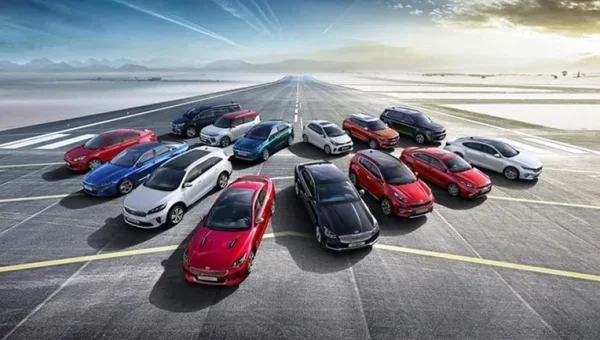
Mercedes Leads European Car Registrations in Egypt with 6,628 Units in 9 Months
Mercedes topped the list of European brands with the most vehicle registrations in Egypt during the first nine months of 2026, recording 6,628 units. Skoda came second with 6,227 vehicles,…

