

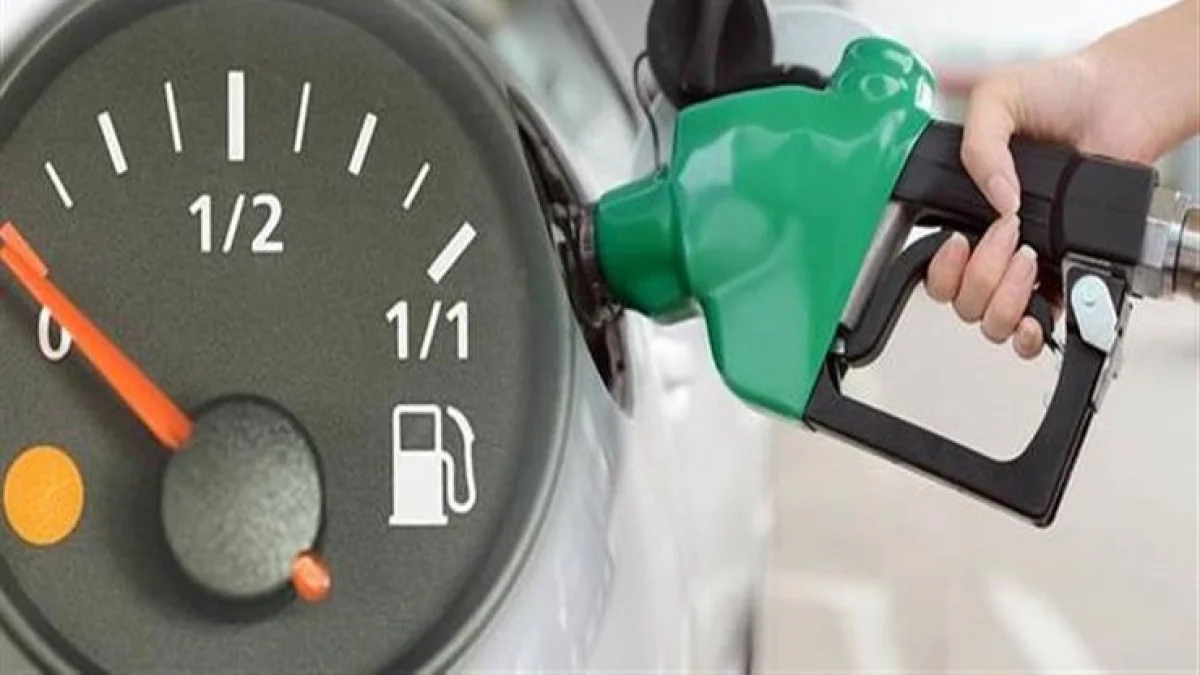
7 Signs Your Car Is Burning More Fuel Than It Should
Fuel consumption is a topic that concerns every driver. When the tank starts emptying faster than usual, many wonder: is there a real engine problem here? Or is it just a shift in driving conditions?
The truth is that clear signs separate normal consumption from excessive burn. This report walks through seven key indicators that your vehicle is using more fuel than its standard rate — an issue that warrants a technical check before it worsens and costs more.
How to Measure Fuel Consumption Accurately
The fuel gauge alone can't determine your consumption rate with precision. The proper method is to fill the tank completely, reset the trip meter, drive a known distance, then refill and calculate the difference between fuel used and kilometers covered. Repeat this process multiple times under similar driving conditions to get reliable results.
The figure you obtain compared to your car's typical average gives an honest baseline. Minor variations are normal — but a noticeable drop in distance per tank deserves attention.
The Seven Most Common Signs
1. Reduced Range Per Tank
The first sign appears when the distance per full tank drops noticeably without changing your daily routes, vehicle load, or driving style. The car isn't doing what it used to do, and that's rarely an accident.
Frequent refills in short intervals may point to a combustion issue, a fuel injection problem, or one of the sensors responsible for adjusting the air-fuel mixture. These faults don't appear overnight — they build up gradually until they become undeniable.
2. Average Consumption Trending Upward
Most modern cars display an average fuel consumption figure on the infotainment screen. When this number spikes abruptly and stays elevated after several trips, it's a signal that shouldn't be ignored. Yet — reset the average first and confirm the increase isn't linked to heavy traffic, short trips, or constant air conditioning.
Those conditions raise fuel usage naturally, so compare against your own previous driving patterns rather than manufacturer claims, which are often optimistic.
3. Fuel Odor Inside or Around the Car
Strong gasoline smell in the cabin or near the vehicle is a serious warning. It could mean a leak in the tank, hoses, or injectors — or an engine pumping more fuel than needed and failing to burn it completely. This problem goes beyond high consumption.
Fuel leaks pose a real fire hazard, so don't drive long distances before having it checked. Early inspection can save you bigger repair bills and deliver peace of mind.
4. Black Smoke From the Exhaust
Black exhaust smoke indicates a rich air-fuel mixture — the engine receives more gasoline than the oxygen required for clean combustion. Causes may include a faulty oxygen sensor, a damaged mass airflow sensor, a clogged air filter, or injector problems.
This condition usually comes hand-in-hand with fuel smell and reduced engine performance — three symptoms appearing together almost every time.
5. Weak Acceleration and Power Loss
When your car needs deeper throttle input to reach familiar speeds, the engine isn't operating at its full potential. That extra pedal pressure increases fuel delivery to compensate for lost performance, driving consumption upward. Weak acceleration combined with rising fuel usage points to a single underlying issue — whether in the ignition system, sensors, or even low tire pressure.
Don't overlook tire inflation in this equation. A properly inflated tire rolls with less resistance and requires less force — a simple fix that mirrors bigger mechanical problems in its effect.
6. Engine Vibration at Idle
Abnormal vibration while stopped at a light or in neutral could indicate a cylinder misfire or an ignition system fault. An engine running unevenly wastes fuel energy instead of converting it into motion. This shaking usually accompanies increased consumption and a general loss of driving smoothness.
Periodic checks of spark plugs and ignition coils can prevent the problem from escalating into an expensive repair.
7. Unusual Engine Sounds
Any new noise — clicking, ticking, or an abnormal hum — deserves investigation. Some sounds point to fuel injection issues, valve timing problems, or turbocharger faults, all of which directly impact fuel efficiency.
Paying attention to sound changes combined with the other signs gives you a complete picture of engine health. The golden rule? Routine maintenance costs far less than major repairs, and rising fuel consumption is often the early warning bell before serious damage occurs.
Related News
View All News
One Million Pounds: Petrol, Electric, or Hybrid? Your Buying Guide
Presenter Hesham El-Zeiny has raised the key question for buyers with a one-million-pound budget: petrol, electric, hybrid, or range-extender? On Radio Egypt's «Arabeyti» program, he stressed that the decision depends…
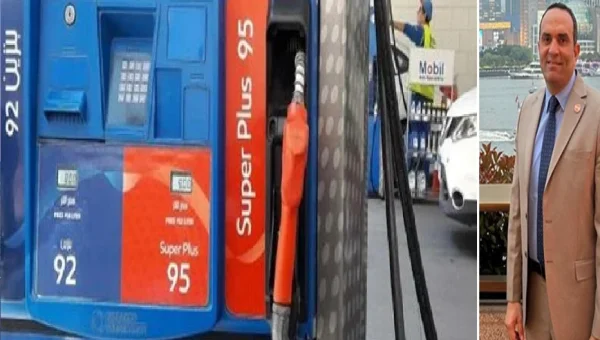
95 Octane for European Cars, 92 for Chinese: El-Hennawy Explains the Optimal Fuel Choice
Automotive maintenance expert Mohamed El-Hennawy revealed that modern European cars built to Euro 6 standards are best run on 95 octane fuel, while most Chinese cars in the Egyptian market…
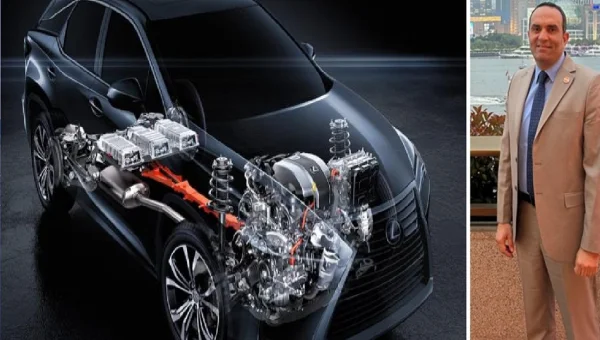
Why a Maintenance Expert Recommends Hybrids for One-Car Families
Car maintenance expert Mohamed El-Hennawy advised families owning a single vehicle to choose hybrid or plug-in hybrid models over full electric cars. These vehicles combine a petrol engine with an…

Egypt Offers New Billet Licenses to Boost Local Auto Components
Egypt's industry and investment ministers met with major steel producers including Ezz Steel, Beshay, and El-Masreyin to address billet availability challenges. The government announced new billet production licenses with price…

Mercedes Leads European Car Registrations in Egypt with 6,628 Units in 9 Months
Mercedes topped the list of European brands with the most vehicle registrations in Egypt during the first nine months of 2026, recording 6,628 units. Skoda came second with 6,227 vehicles,…

