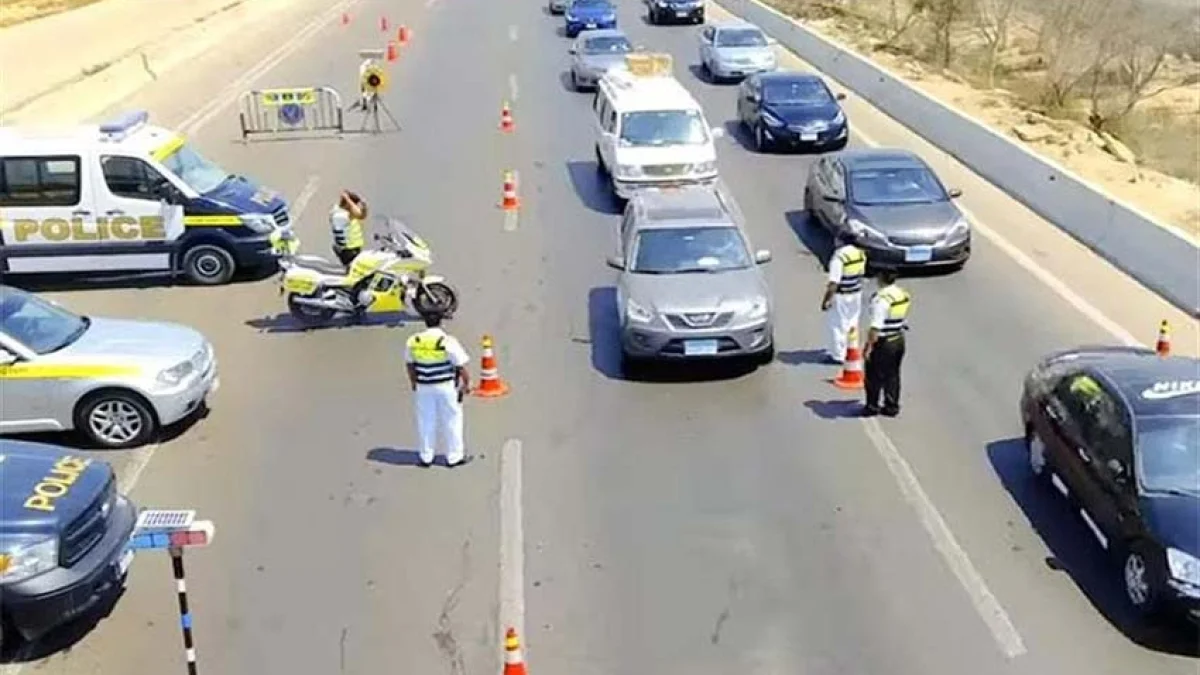
One Year in Prison and EGP 5,000 Fine: The Penalty for Double-Parking in Front of Shops and Institutions
Egyptian Traffic Law Article 75 imposes up to six months in prison and a fine of 300 to 1,500 EGP for double-parking in front of shops or government institutions. Repeat offenses within six months double the penalty, with a third violation carrying up to one year in prison and a fine of up to 5,000 EGP. The General Traffic Administration has intensified its use of modern surveillance systems on major roads and highways to enforce compliance and curb behaviors that disrupt traffic flow.
One year in prison and a 5,000 Egyptian pound fine. That isn't an exaggeration. It's the maximum penalty a driver could face for double-parking in front of a shop or government office in Egypt — even for a quick errand. Article 75 of the Egyptian Traffic Law is explicit, and enforcement isn't letting it slide anymore.
What Article 75 Says About Double-Parking in Egypt
The law is direct. Article 75 penalizes anyone who deliberately obstructs or disrupts traffic on public roads. Parking a car in a second row in front of a commercial shop or a government building falls squarely under this clause. The base penalty? Up to six months in prison, a fine between 300 and 1,500 EGP, or either of the two.
But the story doesn't end there. Many drivers are unaware that repeat offenses escalate the punishment sharply.
Repeat Offenses Within Six Months Trigger Harsher Penalties
The same article states that penalties double if the same violation is committed a second time within six months of a final conviction. A third offense? The penalty jumps to up to one full year in prison and a fine between 1,000 and 5,000 EGP, or either of the two. The number leaps from 1,500 to 5,000 pounds. That is hardly pocket change.
This escalation reflects a broader push toward real road discipline — not just warnings printed on paper.
Modern Surveillance Systems Monitor Traffic Violations Across Major Roads
The General Traffic Administration has intensified its field presence on highways and main arteries. But the bigger shift is the deployment of advanced monitoring systems to track various traffic violations. Cameras don't distinguish between a driver who stopped for one minute and another who parked for an hour. They record and document. The stated goal is to enforce order and curb behaviors that disrupt traffic flow.
Is a two-minute stop in front of a shop worth risking a year in prison? Every driver in Cairo or any other governorate should be asking that question. Traffic congestion in Egypt isn't just a daily annoyance — it's a worsening problem fueled by individual behaviors that are entirely avoidable. Parking in a designated spot might cost a few extra minutes. Ignoring the law could cost far more.
Other Violations Covered Under Article 75
Double-parking isn't the only offense listed. The article also covers driving a transport vehicle above the maximum speed limit, operating a vehicle with faulty or completely missing brakes, and deliberately submitting false data in official forms and applications. Failing to complete licensing procedures for establishing a driving school falls under the same provision. Assaulting a traffic officer during or because of their duties? That carries a strict penalty with no debate. Driving a vehicle in violation of Article 11, Clause 8 is also included. What ties all these actions together is a common thread: disrupting public order or endangering road safety.
What This Means for the Average Driver
The message is simple. Following traffic rules isn't optional. A 300-pound fine might seem tolerable to some drivers, but six months or a year in prison is a different equation entirely. With surveillance systems spreading across major highways, the odds of avoiding detection keep shrinking. The smarter move? Never park outside designated areas — even if it means walking a little farther. The law doesn't differentiate between a quick errand and a deliberate violation. The outcome is the same, and the penalty is documented in a legal text that leaves no room for interpretation.
Frequently Asked Questions
3 questions answered
Related News
View All News
Egypt's President Sisi Orders Reduced Vehicle Licensing Costs and Better Treatment of Citizens
Egypt's President Abdel Fattah El-Sisi directed the Interior Ministry to rationalize vehicle licensing costs and improve treatment of citizens during an expanded meeting at the Strategic Command headquarters in the…

5 Most Common Traffic Violations in Egypt Today: Interior Ministry Records 110,975 Cases in 24 Hours
Egypt's Interior Ministry announced 110,975 traffic violations were recorded in just 24 hours during nationwide campaigns. Driving without a license and speeding topped the list, followed by random parking, mobile…
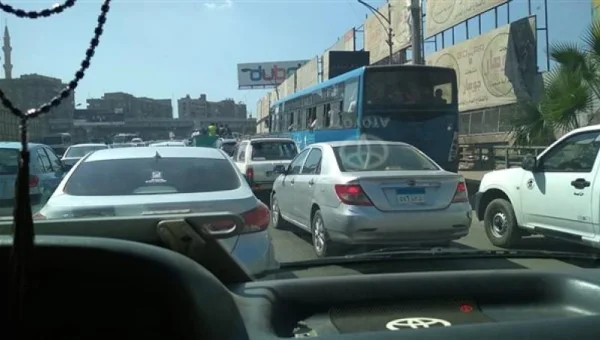
Heavy Traffic on October Bridge, Ring Road, and Autostrad This Morning
Cairo and Giza experienced scattered traffic congestion during the morning peak, with slow movement on October Bridge in both directions and El-Fangary Bridge due to emergency pothole repairs. Congestion extended…
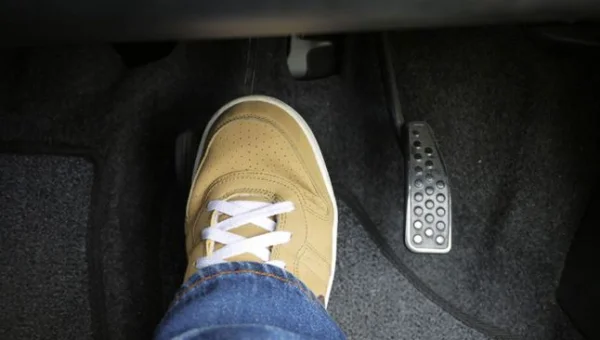
Defective Brakes Violation: Egyptian Traffic Law Imposes 1-Year Jail and EGP 5,000 Fine
Egyptian traffic law imposes strict penalties for driving vehicles with defective brakes, starting with six months imprisonment and a fine of EGP 1,500 for a first offense. Penalties escalate upon…
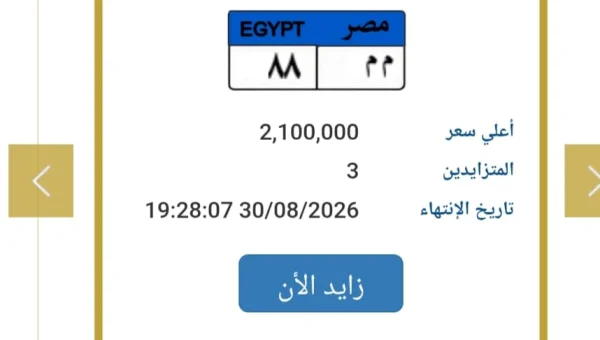
Traffic Auction Heats Up: License Plate 'M M 88' Surges to EGP 2.1 Million
The traffic auction witnessed a massive surge as the 'M M 88' license plate reached EGP 2.1 million, with three bidders locked in a fierce competition. All proceeds from distinctive…