

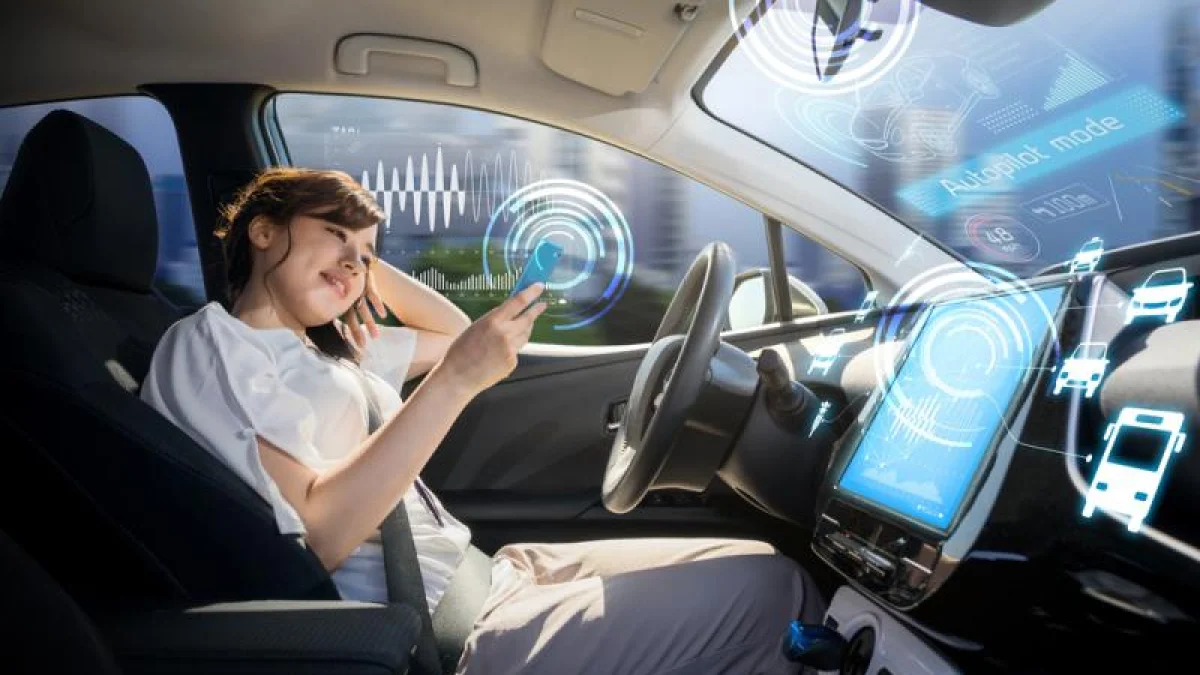
The Tech That Protects You Could Kill You: 842 Australian Drivers Admit Ignoring Mirrors Due to Blind Trust
A study published in October 2026 in Transportation Research Part F found that 842 drivers in Australia became less diligent about checking blind spots due to overconfidence in advanced driver assistance systems. Another study in Applied Ergonomics identified four dangerous behavioral patterns including declined driving skills and reduced attention. The findings indicate potential risks in how technology is used and do not on their own prove these systems cause accidents.
842 drivers in Australia admitted they have become less diligent about checking blind spots because of their overconfidence in advanced driver assistance systems. That number alone flips the equation: technology designed to save lives can become a hazard when its limits are misunderstood. The study found that blind trust has turned into a deadly weak point on the road.
What Did the Australian Study Find About Driver Assistance Systems?
Published in October 2026 in Transportation Research Part F: Traffic Psychology and Behaviour, the study examined how drivers interact with 17 advanced driver assistance functions. It surveyed 842 drivers in Australia alongside preliminary focus groups. The results are shocking for anyone who assumes technology has solved everything. Drivers' understanding and trust were lower for some of the newer systems, particularly lateral control technologies that help keep the vehicle within its lane. A complete paradox.
Some participants reported they had become less careful about checking blind spots or more inclined to engage in other tasks while systems were active. This behavior isn't limited to Australia—it extends to every market where Tesla and Volvo vehicles equipped with driver assistance systems are sold. But the study relied on participants' accounts of their experiences and behavior, not direct measurement of road accidents. The findings indicate potential risks in how technology is used and don't on their own prove these systems cause accidents. Precision matters here.
Over-Reliance on Technology: Four Dangerous Behavioral Patterns
Another study published in October 2026 in Applied Ergonomics analyzed interviews with 60 drivers in Australia. Researchers identified four potential behavioral patterns: decline in some driving skills, reduced attention to the task, altered risk perception. Adaptation to repeated warnings until they become less effective. The four patterns interlock in a single loop. The driver trusts the system, attention drops, skills decline, and reliance on technology grows—the cycle spins. This phenomenon is evident in vehicles like BMW and Mercedes equipped with advanced highway assistance systems.
This doesn't mean assistance systems are useless—their effectiveness depends on how they're used. Lane-keeping assist can provide steering corrections, but it may not work efficiently when road markings are unclear. Adaptive cruise control doesn't relieve the driver of monitoring the road. These systems are aids, not replacements. The difference between safety and disaster may be nothing more than overconfidence.
Why Does This Matter for the Egyptian Market?
Modern vehicles arriving in Egypt are increasingly reliant on Toyota and Hyundai advanced safety systems, from lane keeping to automatic braking. Yet awareness of these systems' limits remains limited. A driver buying a new car packed with all this tech might wrongly assume it handles everything. The result? Neglected mirrors, phone distraction, and blind trust. The Egyptian market needs awareness campaigns parallel to the technology's spread.
The paradox is clear: the more the car assists the driver, the less the driver pays attention. This isn't a flaw in the technology—it's a flaw in how we engage with it. Manufacturers like Kia and Nissan are developing smarter systems, but the driver remains the weakest link. Ford's advanced systems don't replace looking in the mirrors. That's what the Australian numbers confirm.
The two Australian studies open the door to a comprehensive review of how these systems are marketed and how drivers are trained to use them. Technology isn't the enemy, but blind trust in it's the real danger. 842 drivers admitted neglecting their mirrors—a number every new car buyer should read.
Frequently Asked Questions
3 questions answered
Related News
View All News
Waymo to Launch Self-Driving Taxi Service in Madrid by 2027
Waymo, owned by Alphabet, will launch a fully self-driving ride-hailing service in Madrid by 2027 using electric Jaguar I-PACE vehicles. Operations will begin with trained specialists before moving to full…
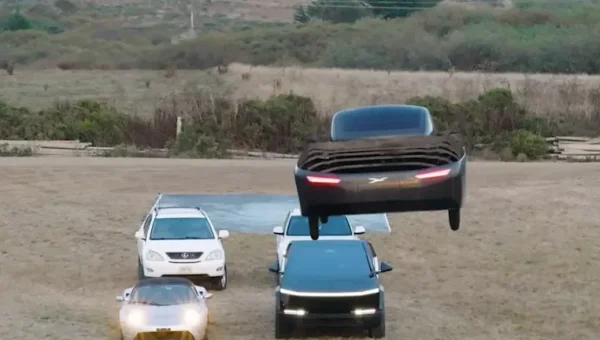
Alef Model A Flying Car Challenges Tesla Roadster in New Video
Alef Aeronautics released a video of its Model A flying car hovering above a Tesla Roadster, days after Tesla's latest demonstration. The project began in 2015 and received an FAA…

Why Carmakers Advise Against Using 95 Octane in Engines Designed for 92
Using 95 octane in an engine designed for 92 delivers no extra power, despite a widespread belief among drivers. Automakers determine the correct fuel based on compression ratio, ignition timing…

Signs of Spark Plug Failure in Your Car Engine — When to Replace Them
Spark plugs are essential engine components, and their failure causes difficulty starting, engine vibration, poor acceleration, and increased fuel consumption. Other signs include an illuminated check engine light and exhaust…

Your Complete Guide to Maintaining Car Tires as Winter Temperatures Drop
As winter approaches and temperatures fall, car tires need extra care to maintain grip and safety. Regular pressure checks, tread depth inspection, crack monitoring, and wheel alignment are essential steps.…

